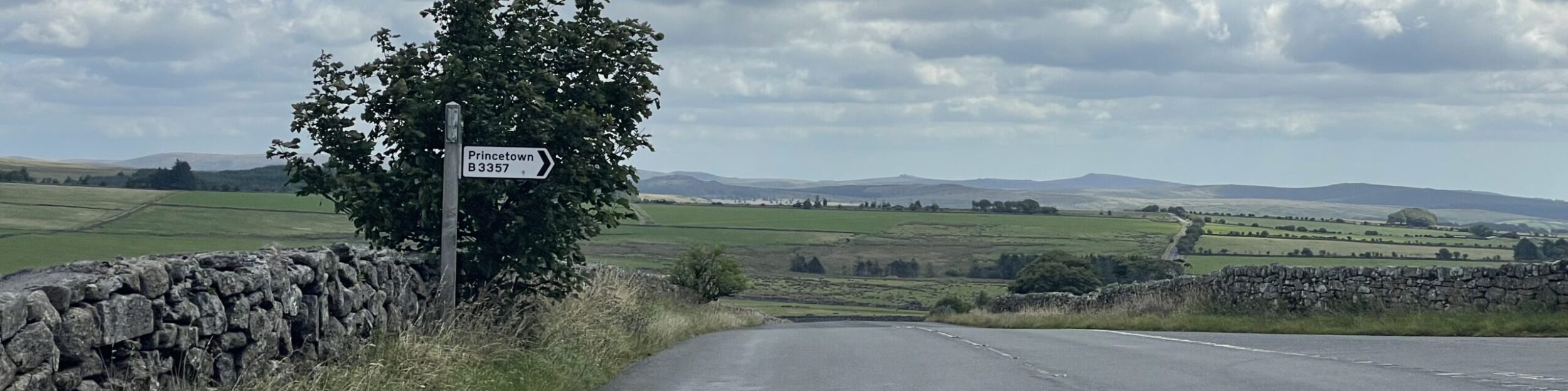
In which we are reminded that some regions get more pages than others in the guide book.
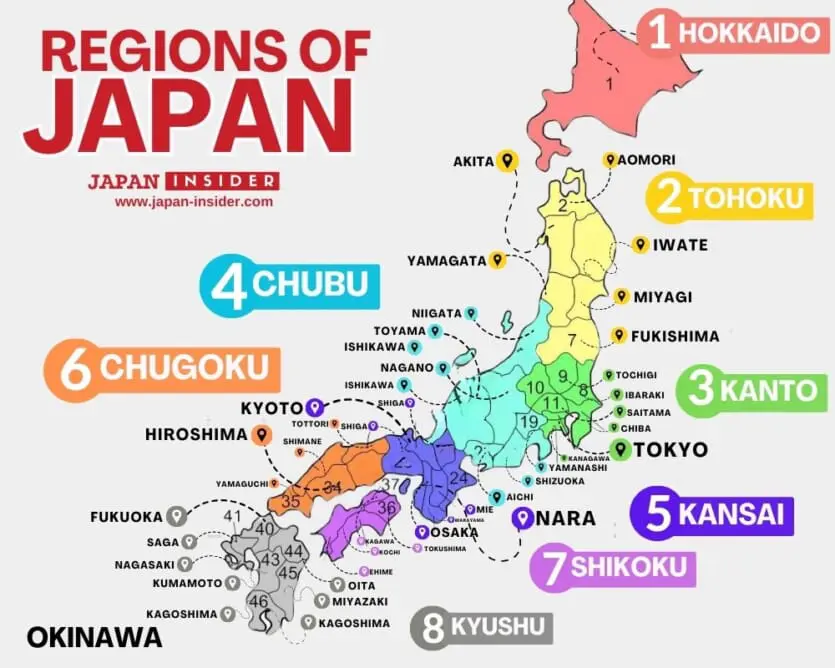 As previously mentioned, this is not truly an Epic Journey, and not every day can be a Bonkers day. So with the aid of this handily colour-coded map from Japan Insider we may bundle a few days together.
Meanwhile our own Map is being updated with daily tracking information by the Efficient Doris Map Machine, and it is now colour-coded to match the posts – this post will cover days 8-9, down the north-west coast of Honshu and is in an appropriate shade (as you will find) of apple red.
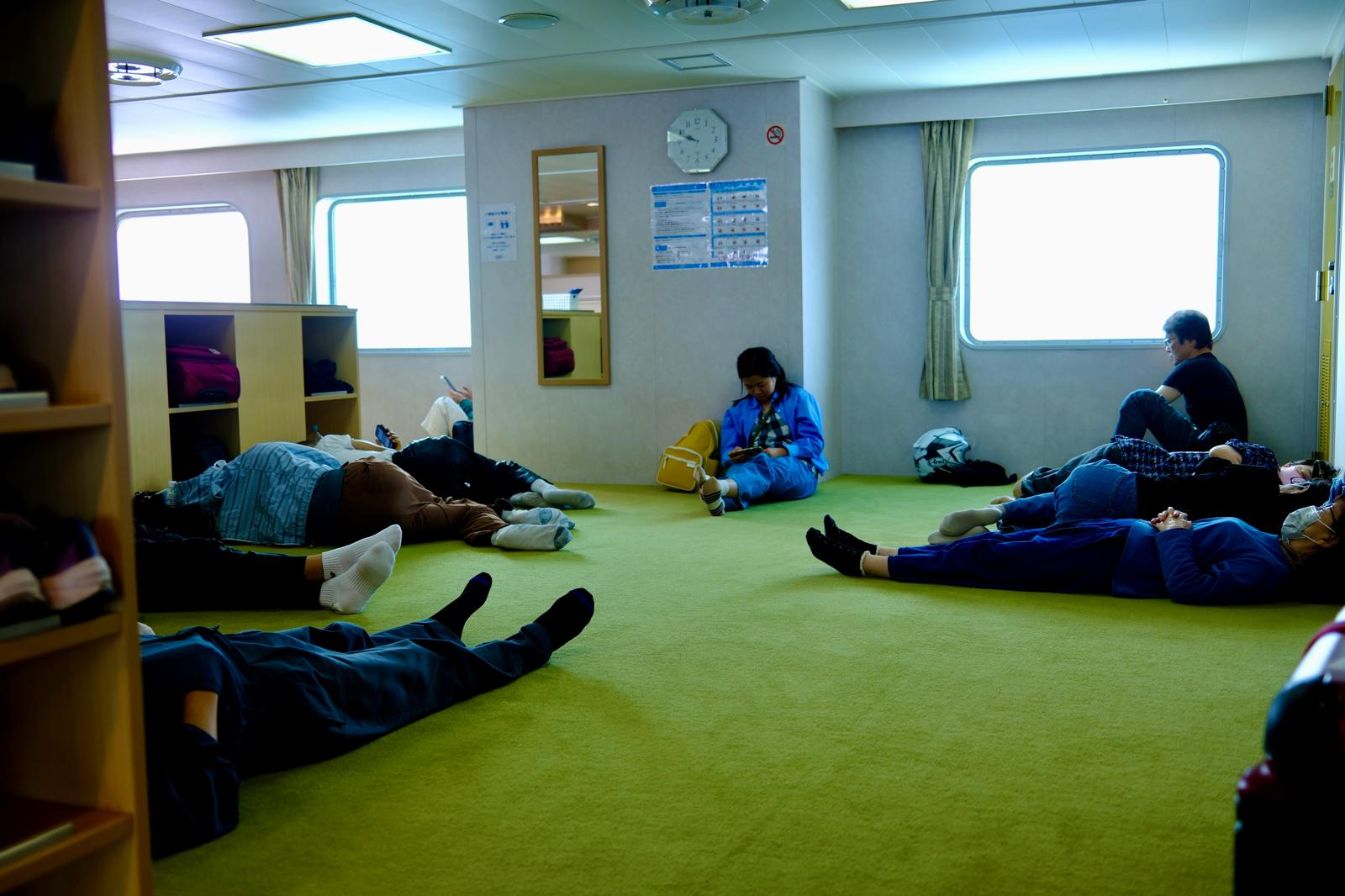
Job Number 1 today was to catch the ferry. The Mini was immediately and correctly categorised as a MicroCar despite not having a snout like a Frenchie bulldog (Sid will enlighten you further on this topic later) and tucked into a handily tiny space on board. All the Japanese passengers took full advantage of the no-shoes rest areas, while the awkward foreigners resorted to the Priority Seating For The Hard Of Bending.
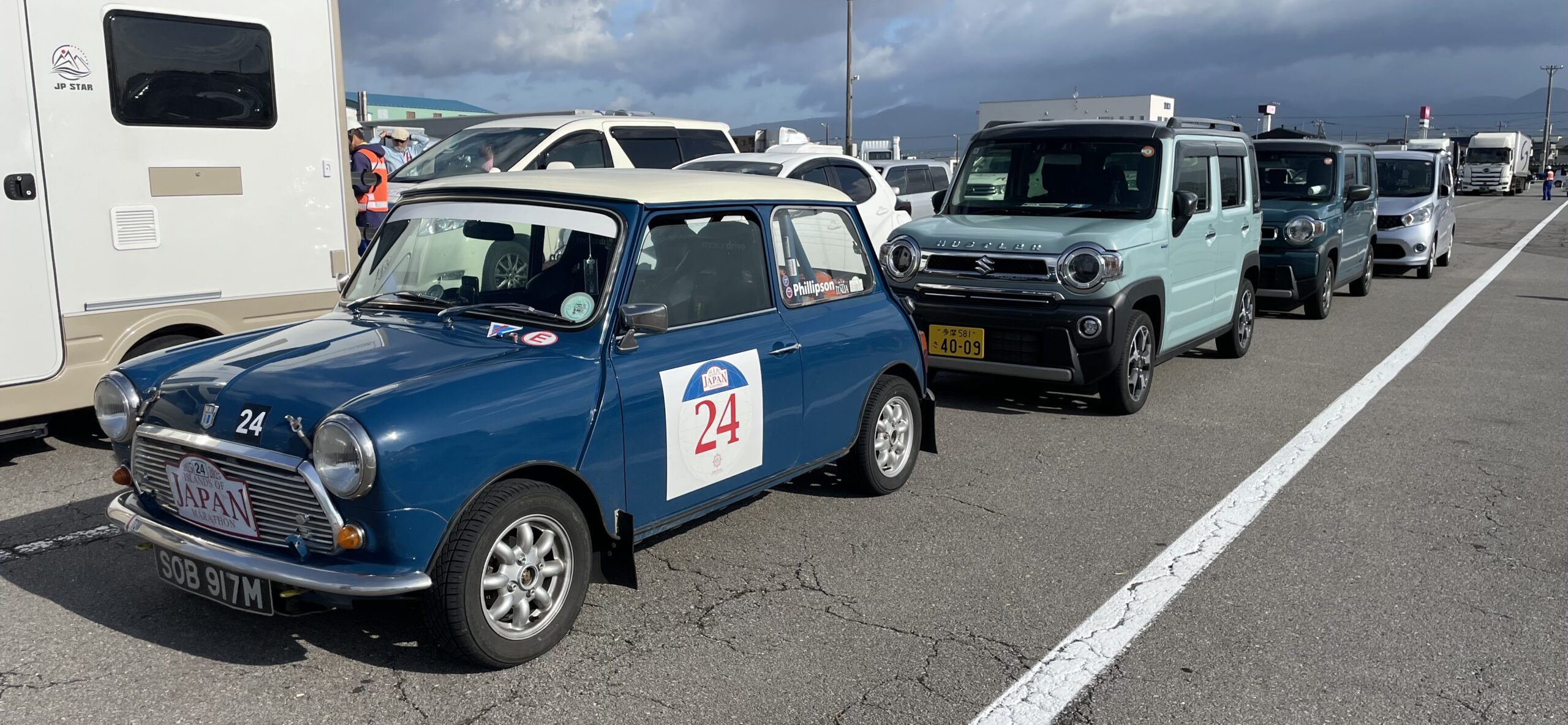
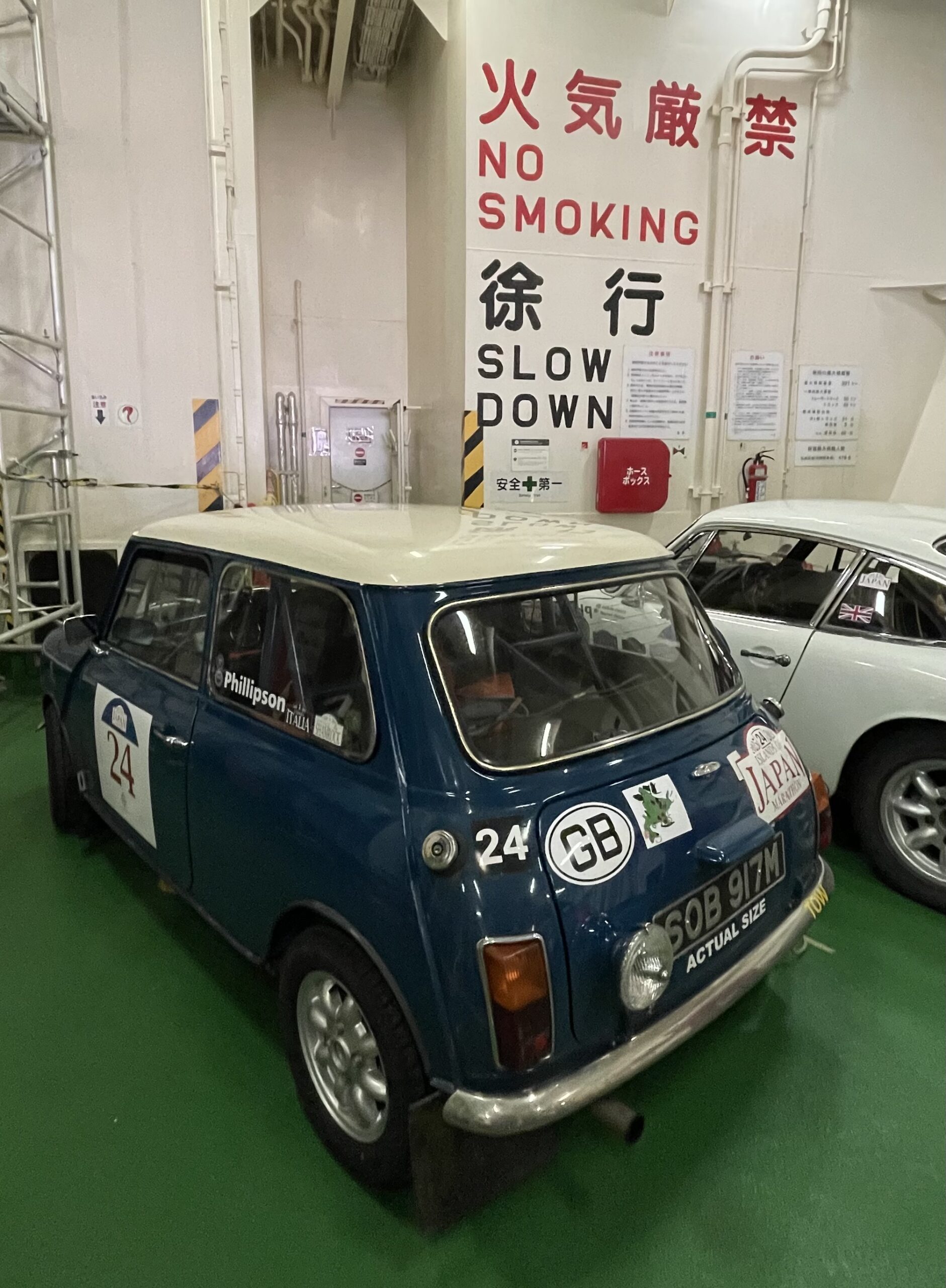
Onwards through the northern part of Honshu.
The coastal roads on this journey have been spectacular, and as fishermen are superstitious (or as they would say, very practically god-aware) people, there are many roadside shrines and offering places.
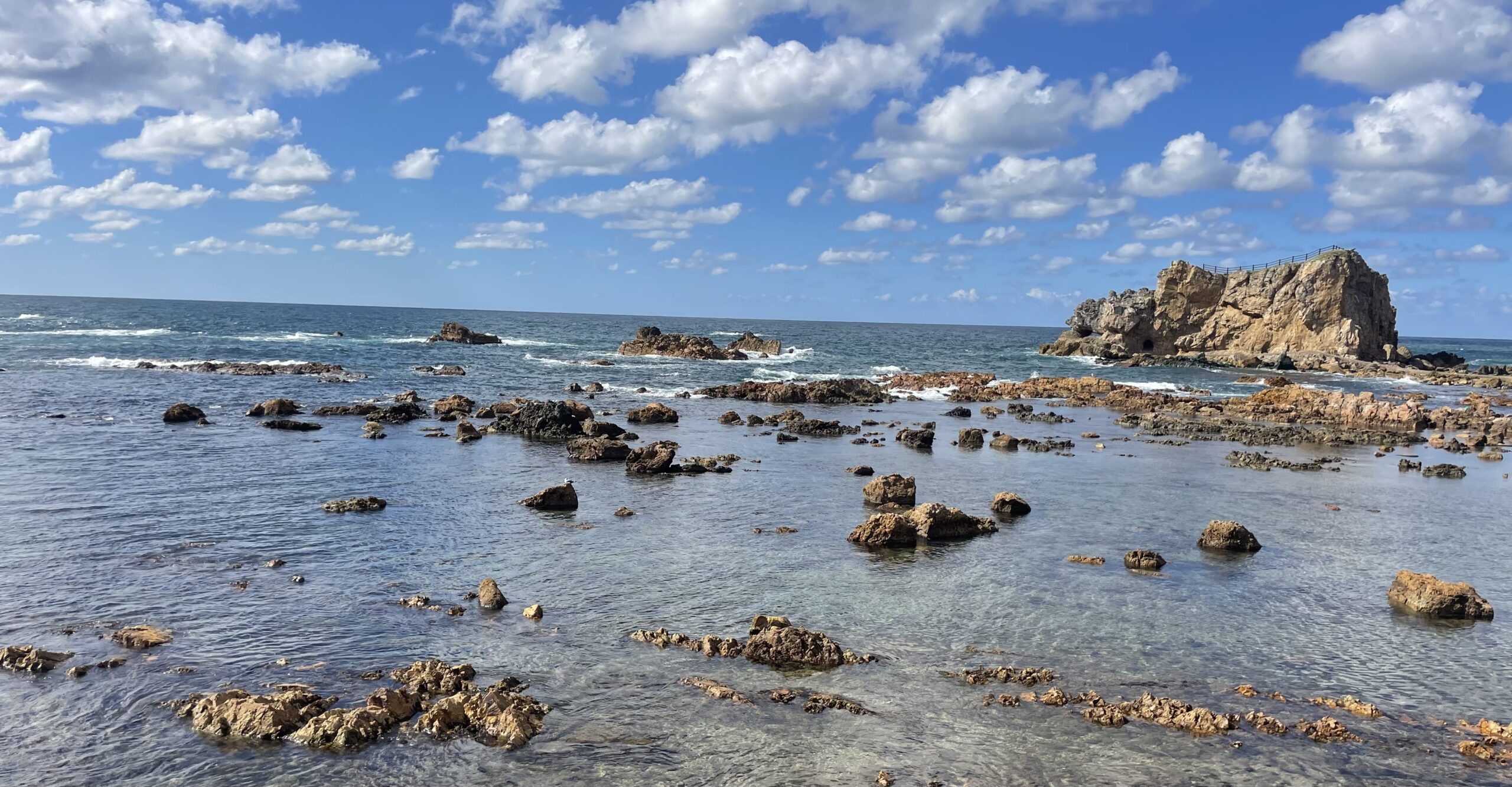
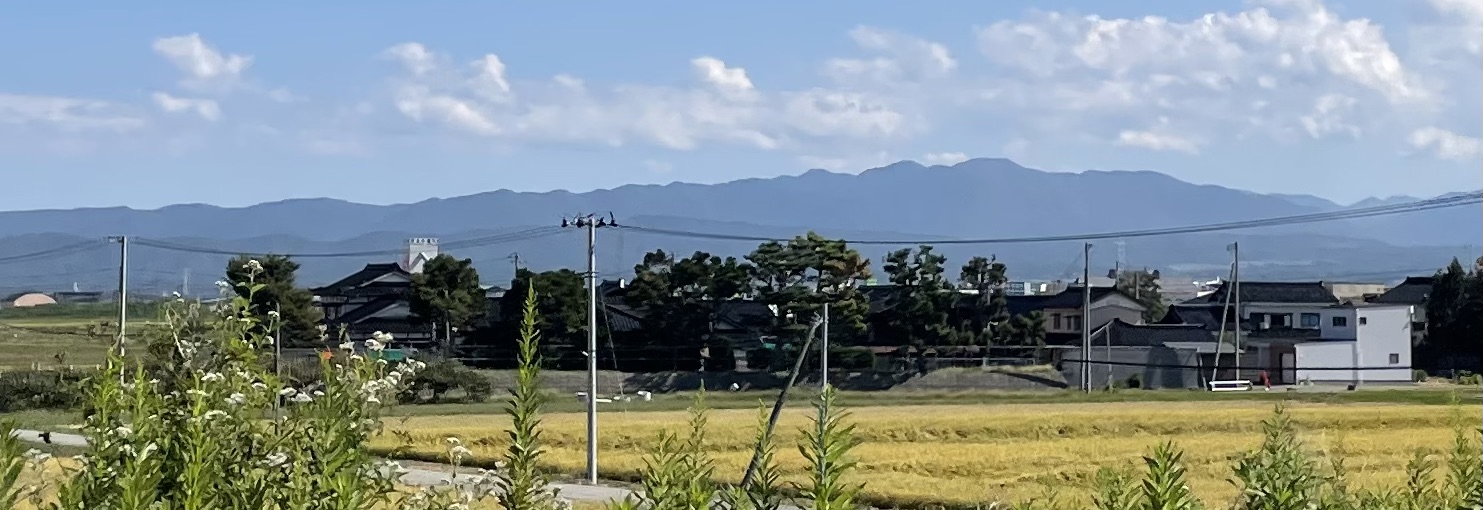
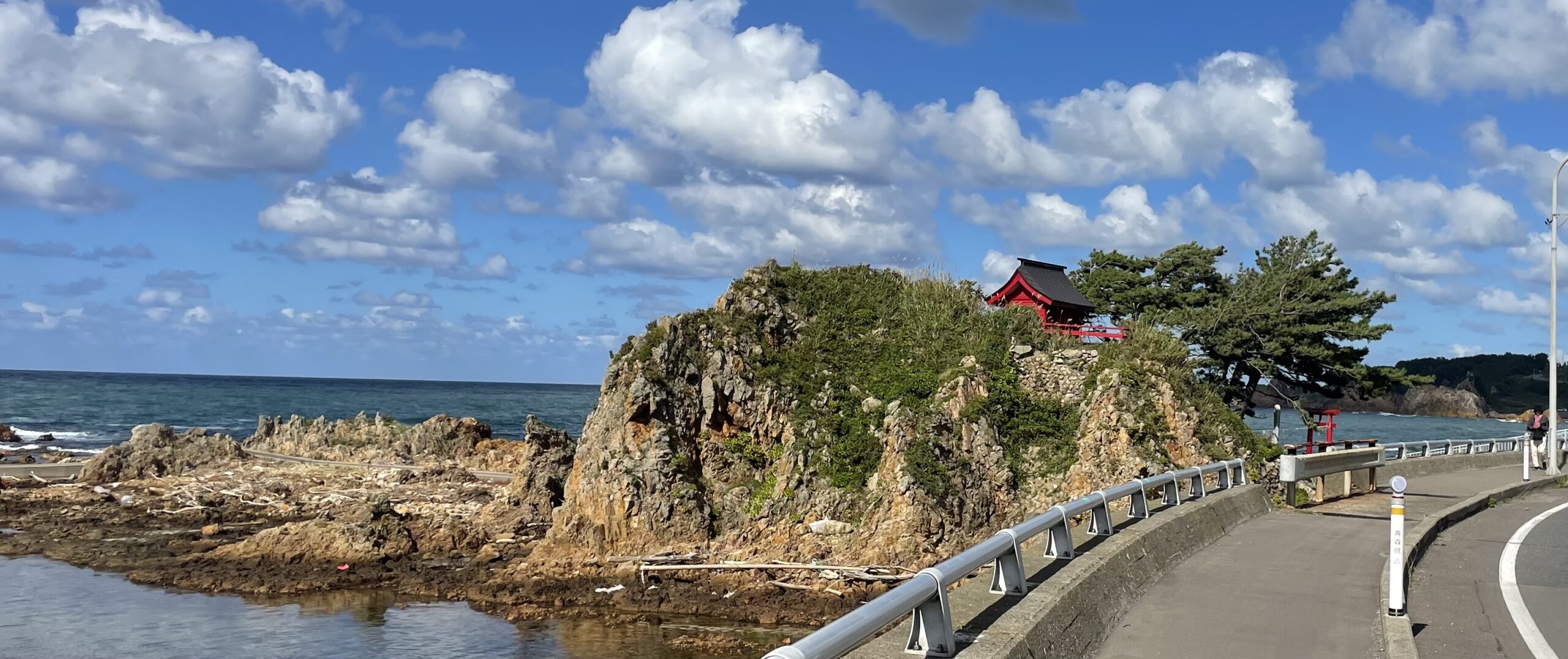 The general Japanese landscape around the edges is rice fields with a background of mountains. In the middle it is tree-covered mountains with artistically inspirational gorges and sprinkled with beautiful lakes, and between the two is a zone of mountains with a view of rice fields. In real life the landscape is fascinating and changing but on the photo roll there seems to be a certain sameiness about some of the pictures (especially when snapped from a Mini doing exactly 43kph behind yet another carefully-driven vehicle). I’ll put one of each of them in, and then after that you will just have to come and visit the place yourself.
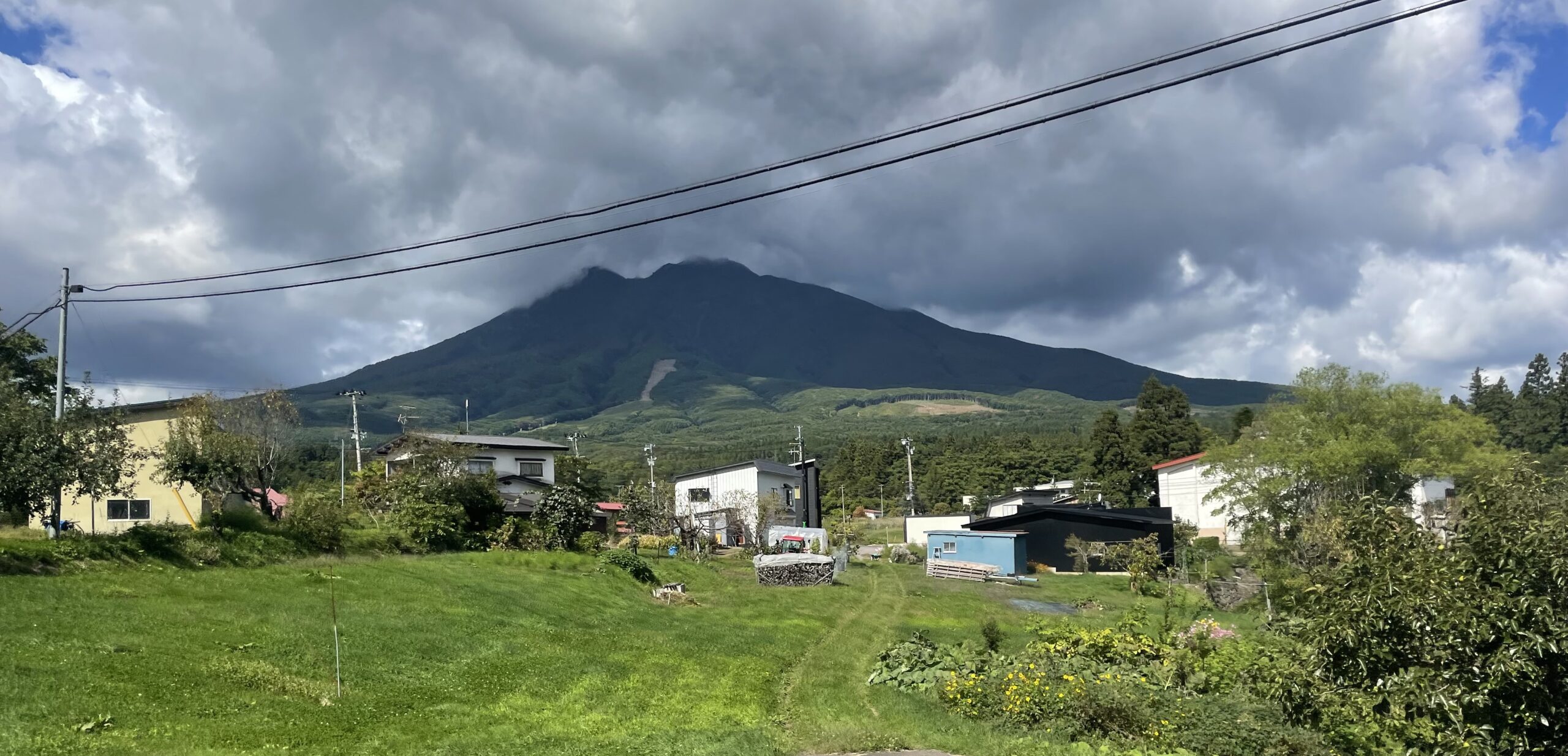
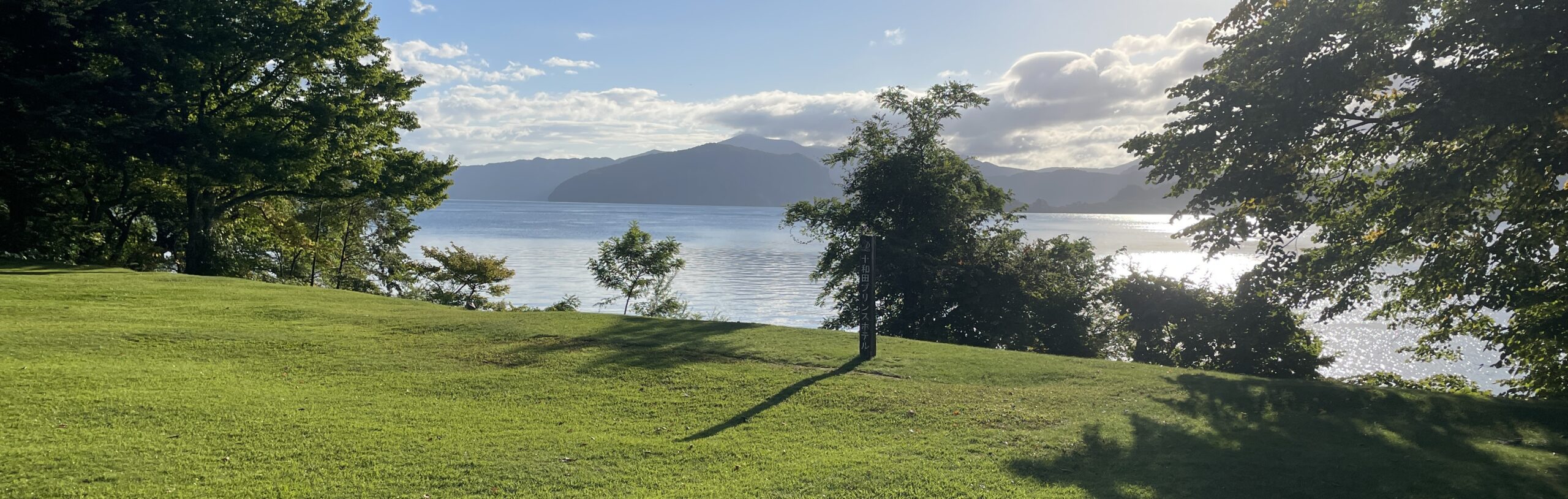
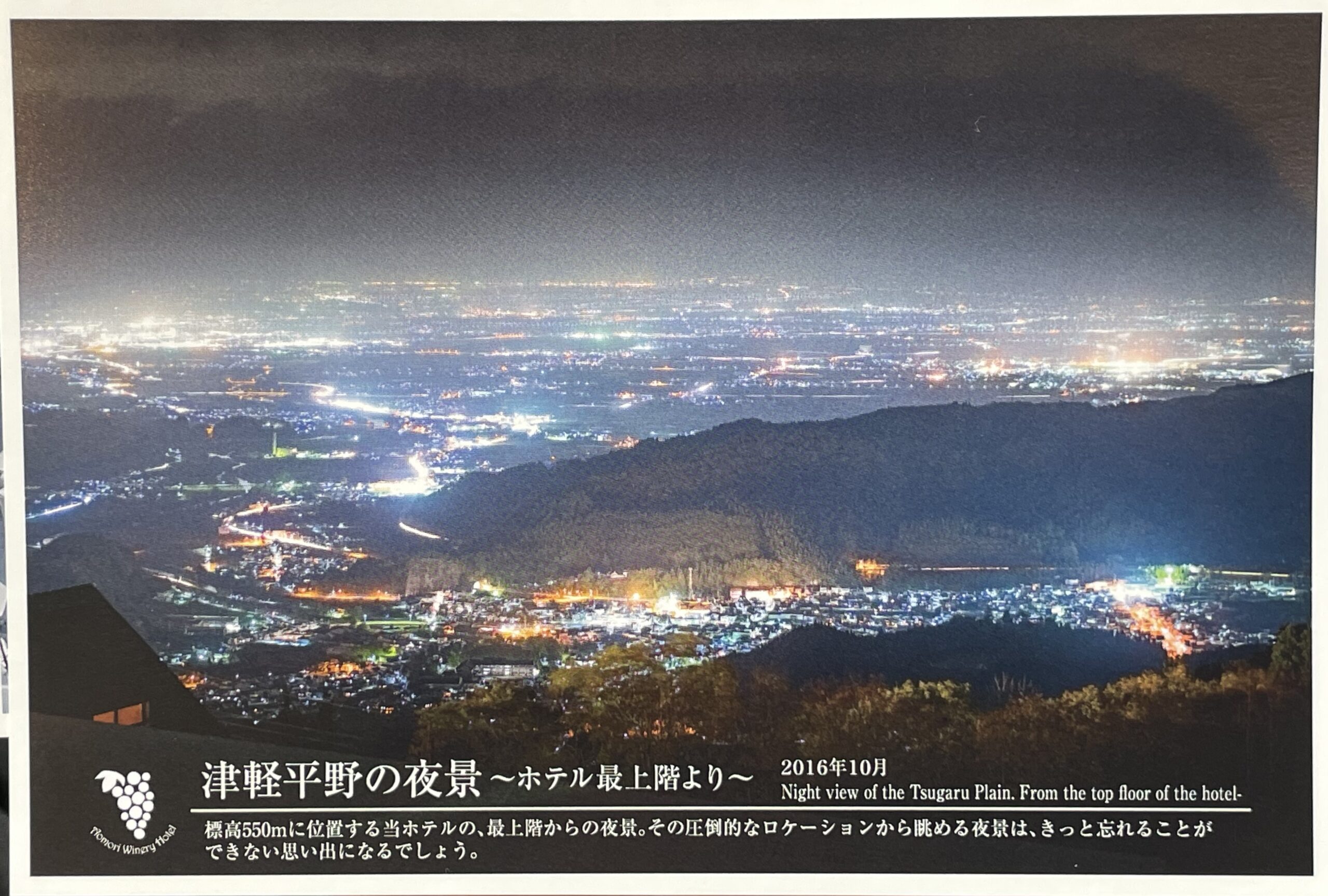
Because views from the tops of mountains are notoriously difficult to make work, I have cheated and photographed a postcard from our coffee stop hotel. The view was fabulous but it was a very long and steep climb for a small Mini and an offer of a top-up of apple juice at the top (the venue and indeed the whole region specialised in apples) was rejected in favour of a few litres of Premium Grade Petrol.
When the Japanese grow apples they do it properly. Do you remember seeing those pictures of Beautiful People sunbathing with a sheet of tinfoil under their chin to ensure that no area was left untanned. Well, the Japanese do it for their apples. Only in Japan, indeed.
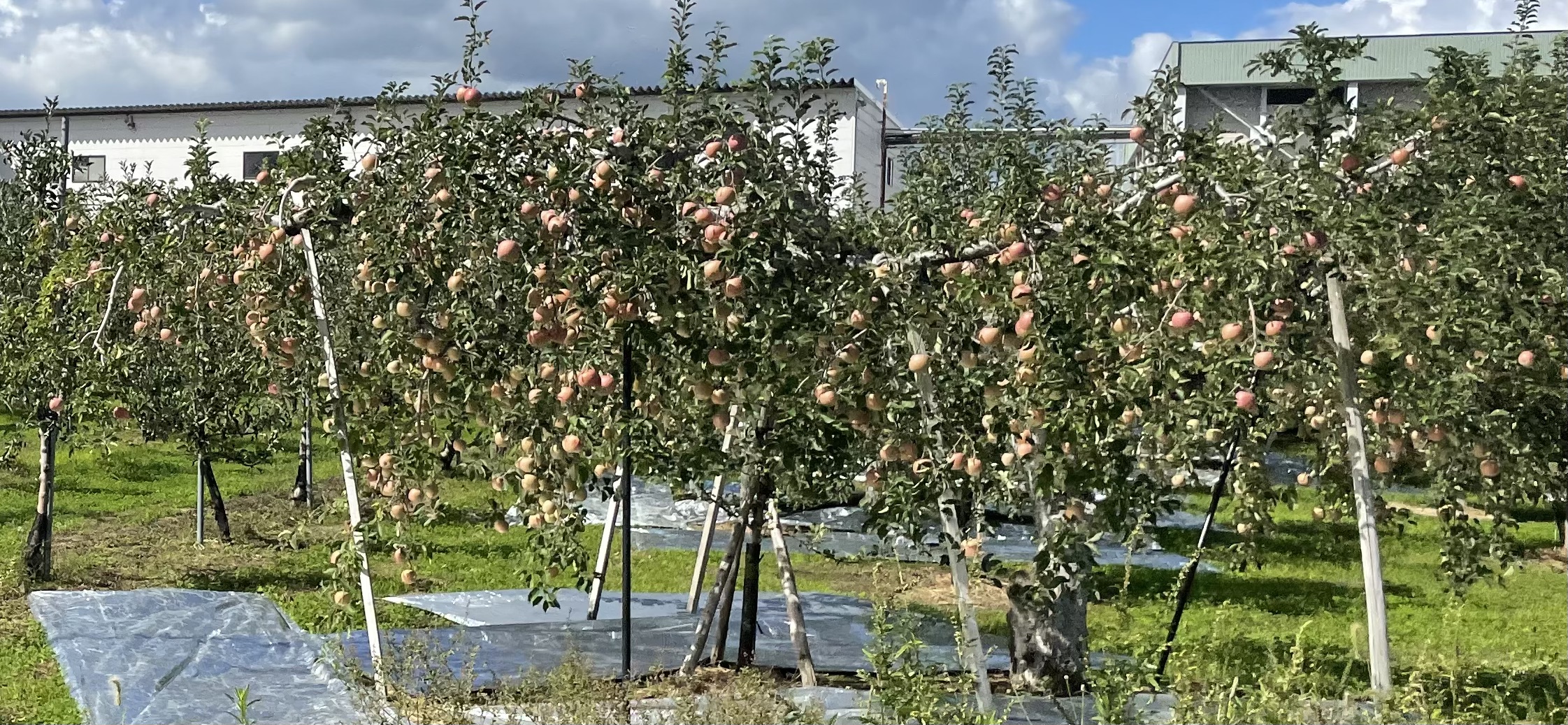
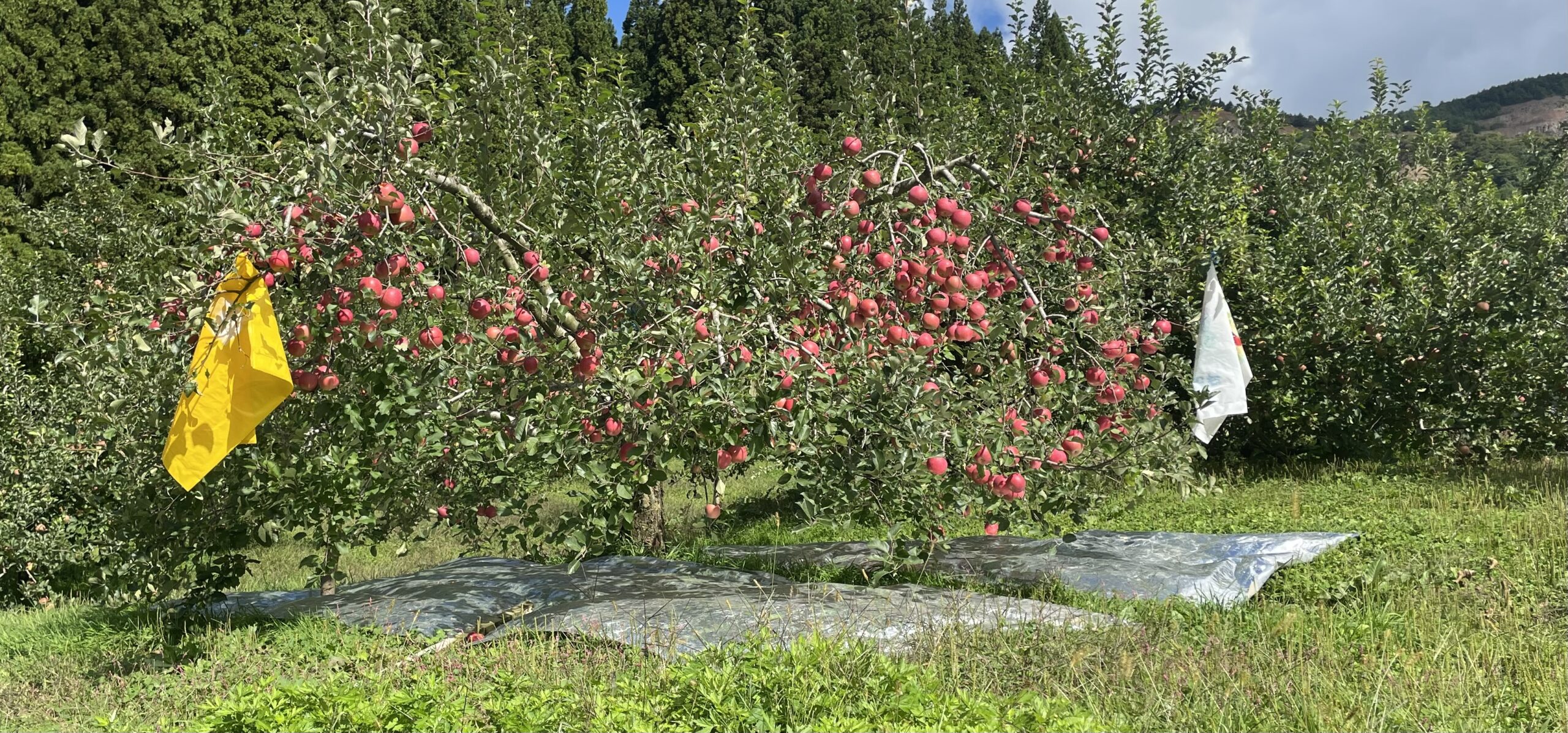
The apples are truly Beautiful and uniformly enormous and can be bought in gift packaging for around 300 yen or £1.50 or maybe $2 each which seems underpriced for such exquisite items.
This is good growing country, and we have entered an area which has been taken over by some sort of post-apocaplytic vine.
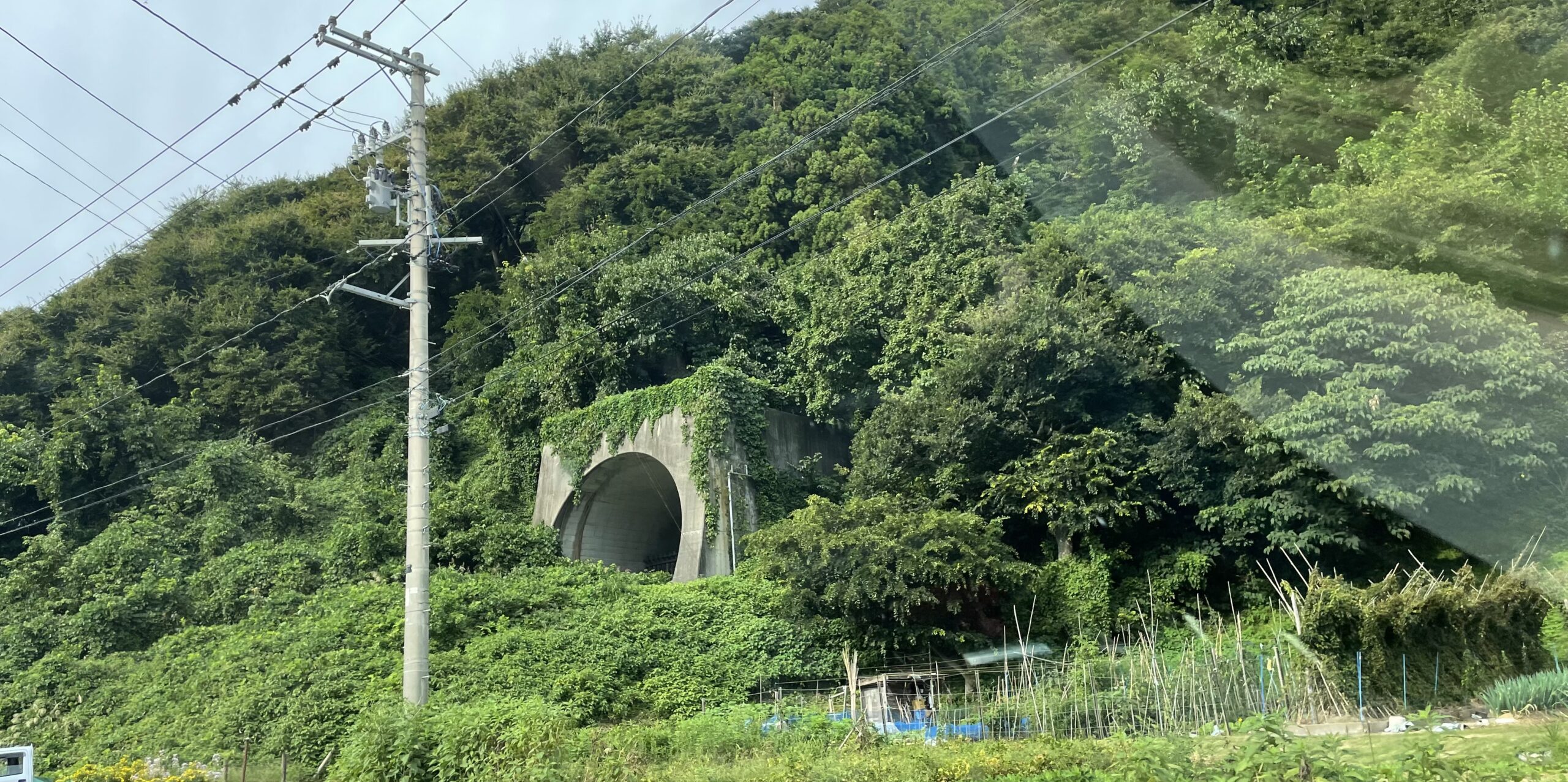
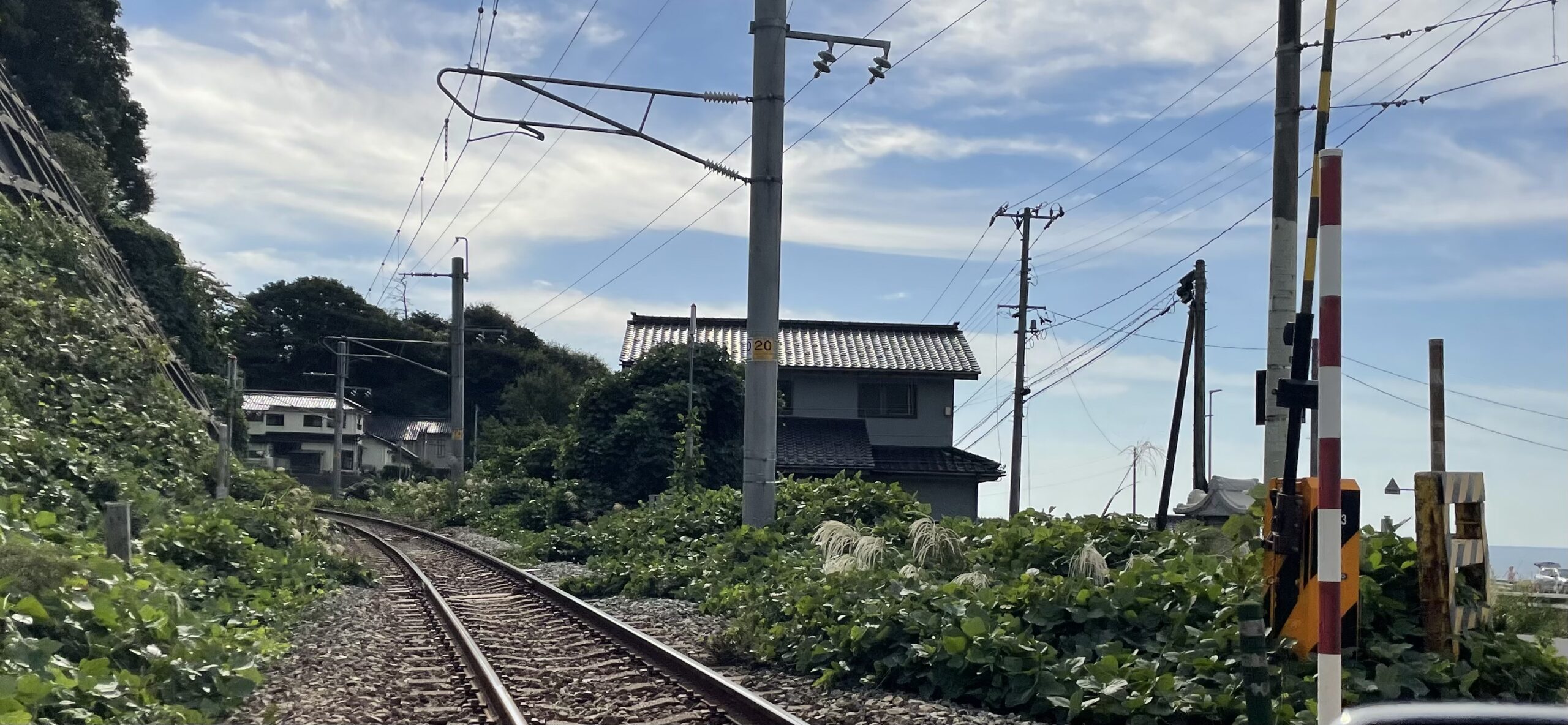
The pictures don’t do justice to the thing, which is engulfing trees, structures and barriers like the Green Death in Dr Who. Is that Japanese knot-weed? someone asks. It is Japanese is-weed, is the hilarious reply.
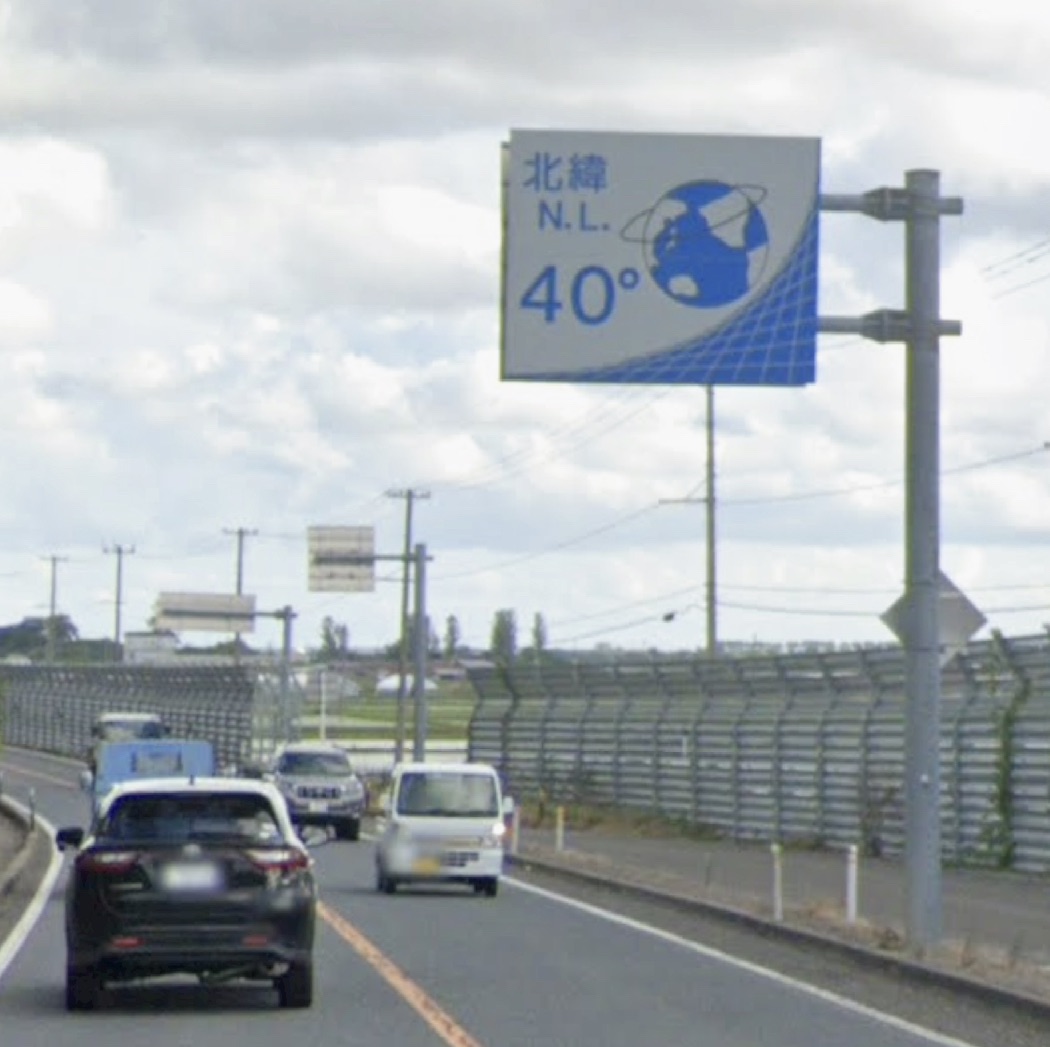 We went through the 40th Parallel as we approached Akita, so hello! to our friends in Siping, Philadelphia and Minorca. Doris was a bit slow with the camera, so after a totally disproportional amount of work with Google Streetmap we present you this exquisitely uninteresting screenshot.
Meanwhile a note comes round on the rally e-noticeboard asking Some Drivers to please drive a little more politely, and follow a few more of the rules of the Japanese road, of which there are many. The ones being frequently flouted are the more obvious (speeding and overtaking through towns) but it might have been useful to have had a look at a Japanese driving test before starting this. One of the more mysterious is the requirement to stop completely before a level crossing and listen carefully for a train before crossing. Speed limits matter in town (reasonably) but are less important on the major roads, where undertaking also seems to be permitted, on the rare occasions where there are actually two lanes on your side of the road.
This last observation might just be a feature of the Deep North and perhaps when we go to the more heavily populated and touristed South the roads will widen out, but being stuck behind a car happily pottering along well underneath the 70kph limit on the single lane of a motorway-grade road can pall after the first hour (or 43km).
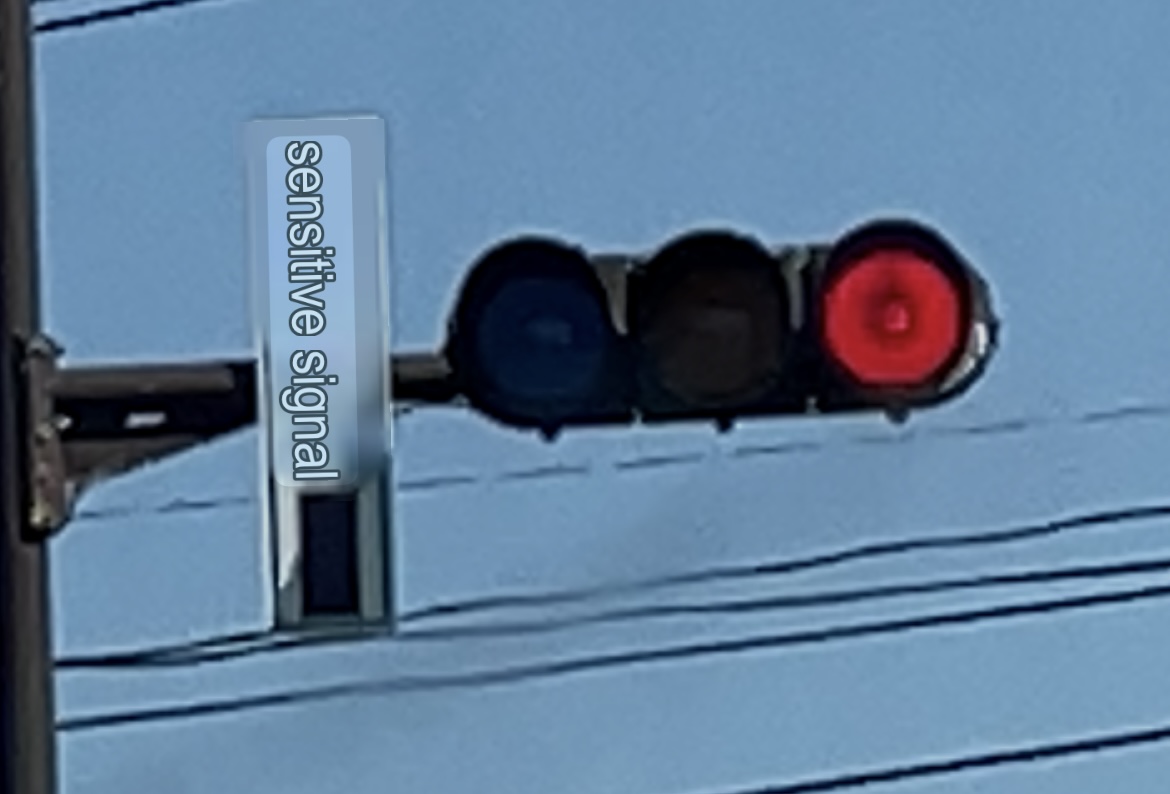
The Japanese do love their traffic lights, and as a demonstration of affection they don’t overwork them, only asking them to change once every half an hour or so. Also, because of that deep love, they have installed lots and lots and lots of them. Progress is starting to feel glacial, at least it would if the cars weren’t all overheating.
At an intersection with a busy main road we approach one with a label next to it. Mr G Translate tells us that we have been Very Bad saying horrible things about these red lights, and have obviously hurt their feelings. Meanwhile Sid observes that the Japanese love red lights so much that they have featured them on the national flag.
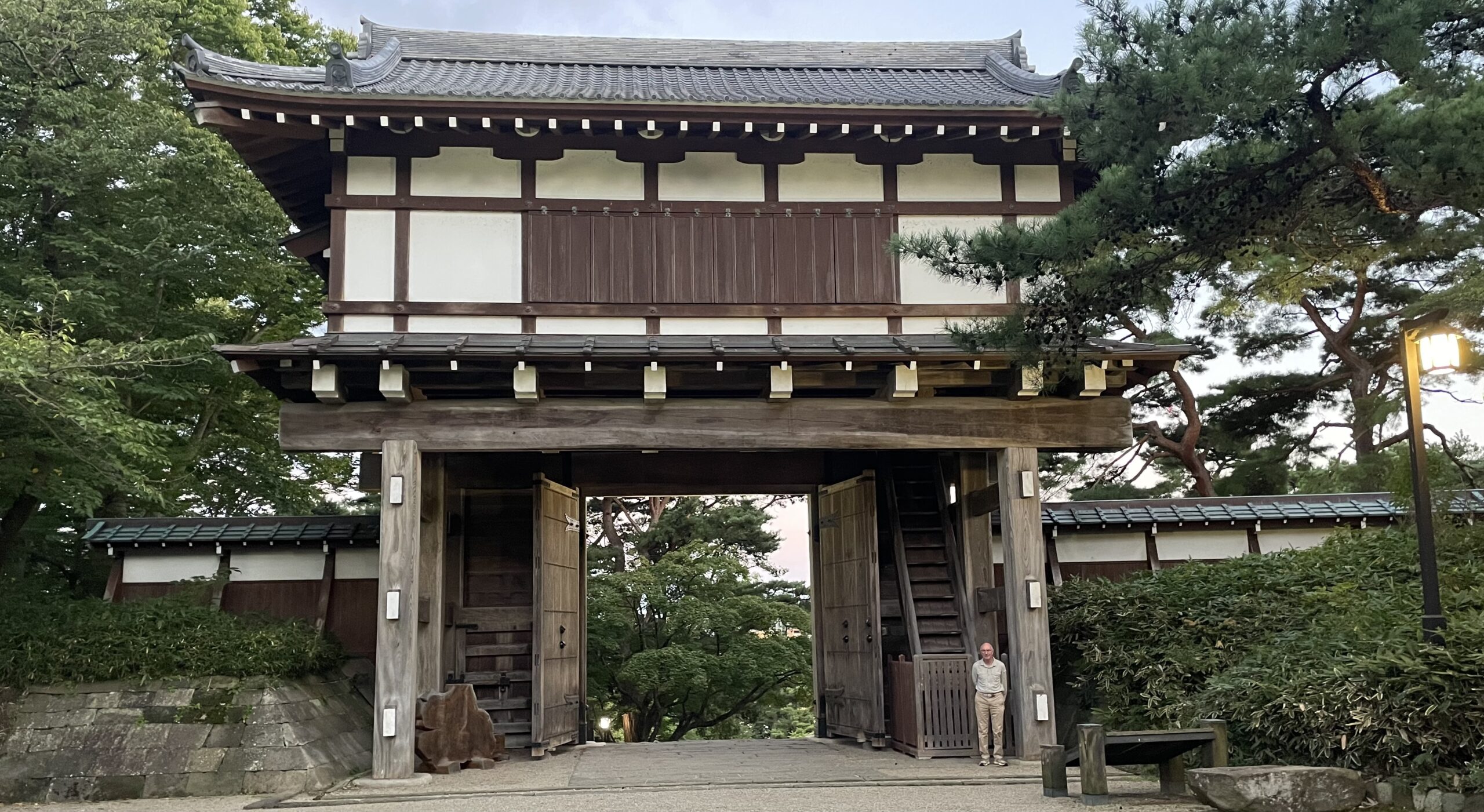
In Akita we had a free night (ie no organised dinner) so Sid and Doris escaped before sunset to walk up to the required this-was-once-a-wooden-castle-before-it-burned-down-and-we-have-now-recreated-it site. In Salisbury Cathedral we talk about “scantlings”, the cross-section of wood that shows how massive a tree once was. This is truly massive indeed, and we think it is made of cedar wood (Sid is included here for scale purposes).
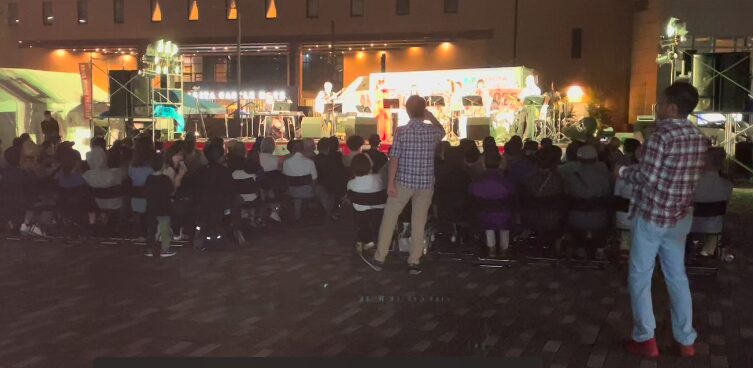
Onwards to a very local open air jazz performance with some vans selling skewers of meat and local beers. Hooray and homewards for an early night.
PS Once again I may have forgotten to mention that “the Mini” is still second overall and first in class. We are observing that team number 24 is like Charles and Diana’s marriage – there are three people in it, Sid and Doris and The Mini. When people congratulate each other on their progress so far they will usually say “you are doing well!” but in our case people say “It is great to see how well the Mini is doing!” Which is entirely fair, because this is a vehicle-dependent expedition and we are asking a lot of a little car.