In which Sid and Doris have a Culture Shock and go to see No Temples.
Imagine if you will that everyone in your country is colour-coded. The people who are natives are one colour and everyone else is another colour. Now imagine what your primary tourist sites might look like. How many natives DO actually visit the Tower of London, or pose for pictures in front of Big Ben’s Bell Tower? Perhaps some small groups of older people on a special treat to London, and some larger groups of school children?
This is what Kyoto looks like. All the tourists that we have been carefully driving around for the past three weeks are here, and it feels very odd indeed, with the central streets crowded with people taking selfies of every cute doorway.
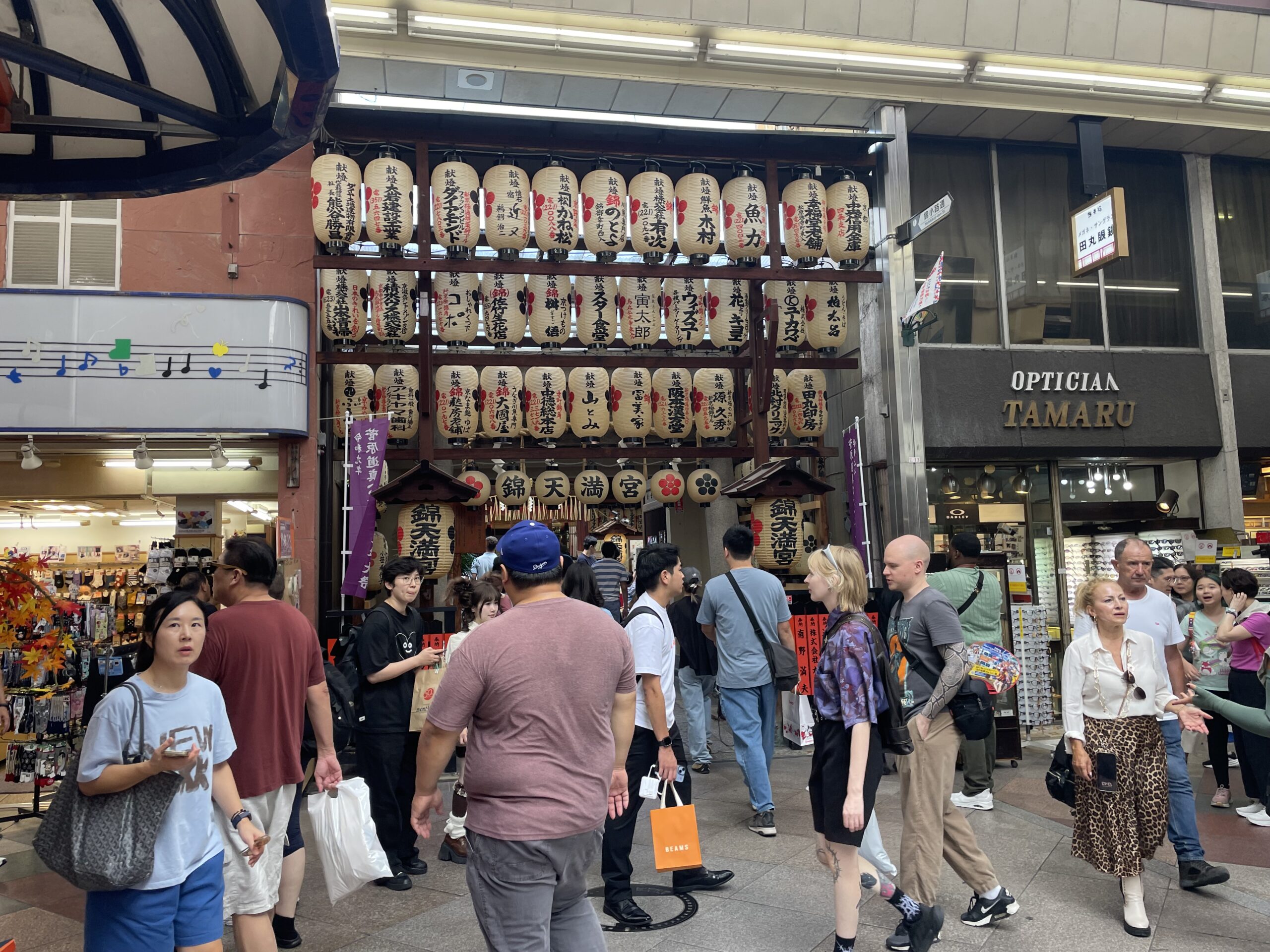 While this gives plenty of material for an Only In Japan post, it is not very attractive, so instead of following the hotel map’s guide to see The Seven Temples Every Foreigner Must See In Kyoto, Sid and Doris escape to visit The Inclined Slope.
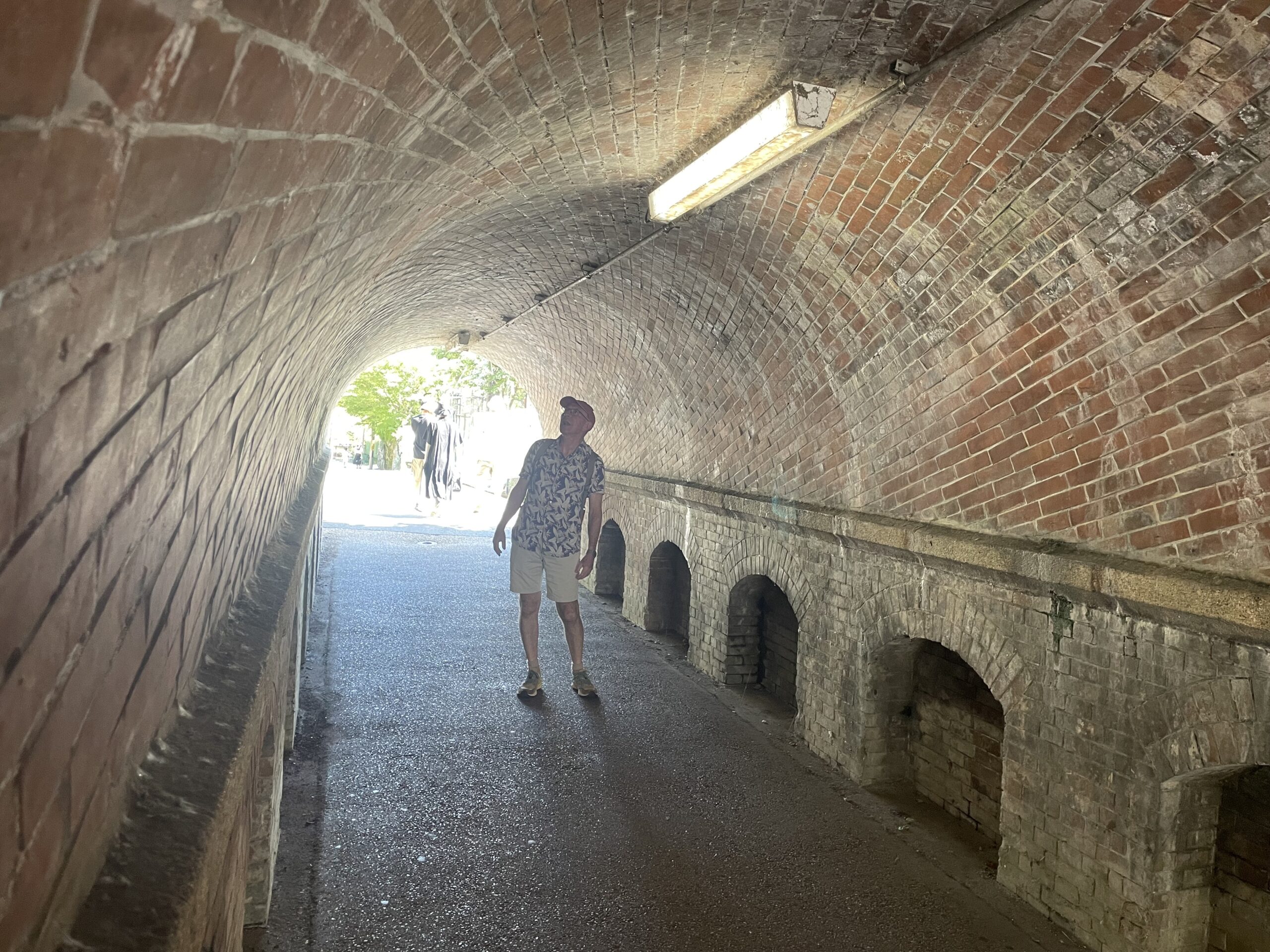 To get there, we walked through the Nejirimanpo Skew Arch Tunnel, originally built as a road tunnel under the hill. There is a custom to put a plaque on each end of a tunnel, and important people associated with the project would choose the wording. A beautiful wooden information board here says:
On the east and west of the tunnel, plaques written by Kunimichi Kitagaki, the third governor of Kyoto Prefecture, commemorate the tunnel’s completion. The western one reads Yukan Kiso,” which means “Splendid View and Marvelous Idea.” while the eastern one reads *Yoki Hassuru Tokoro,” meaning if we focus our energies, we can overcome any obstacle.
There is also a sign designating the whole site as recognised by the “Heritage of Industrial Modernisation” – the possibilities of exploiting this for tourist development are discussed in an academic paper here, and well done Professor Yamamoto.
The Inclined Slope is a Heath-Robinson inspired solution for getting your canal boats between two different levels. The Japanese had their Victorian Engineering Age slightly later than Europe and so got a Fast Follower Advantage, and some of their engineers’ sketchbooks from visits to America are here in the canal museum. Instead of having a flight of locks (cf our visit to the Caen Hill Flight) which are expensive to construct, viciously difficult to maintain, and very time-consuming to navigate, they built a cable railway that went into the water at both ends and over the top of the hill in the middle so that boats can float onto the trucks. Doris takes a zillion pictures in a failed attempt to capture the marvellousness of it.
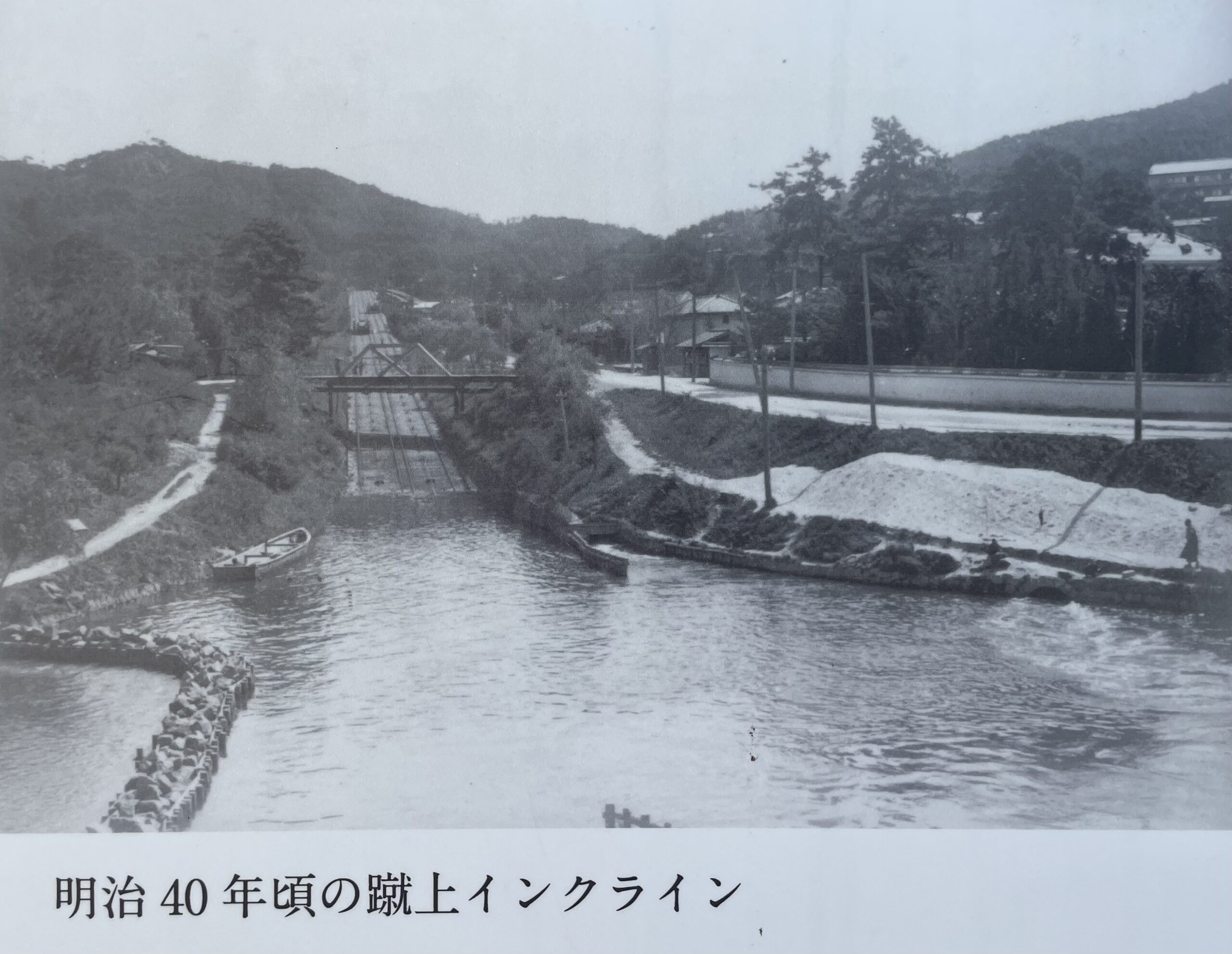
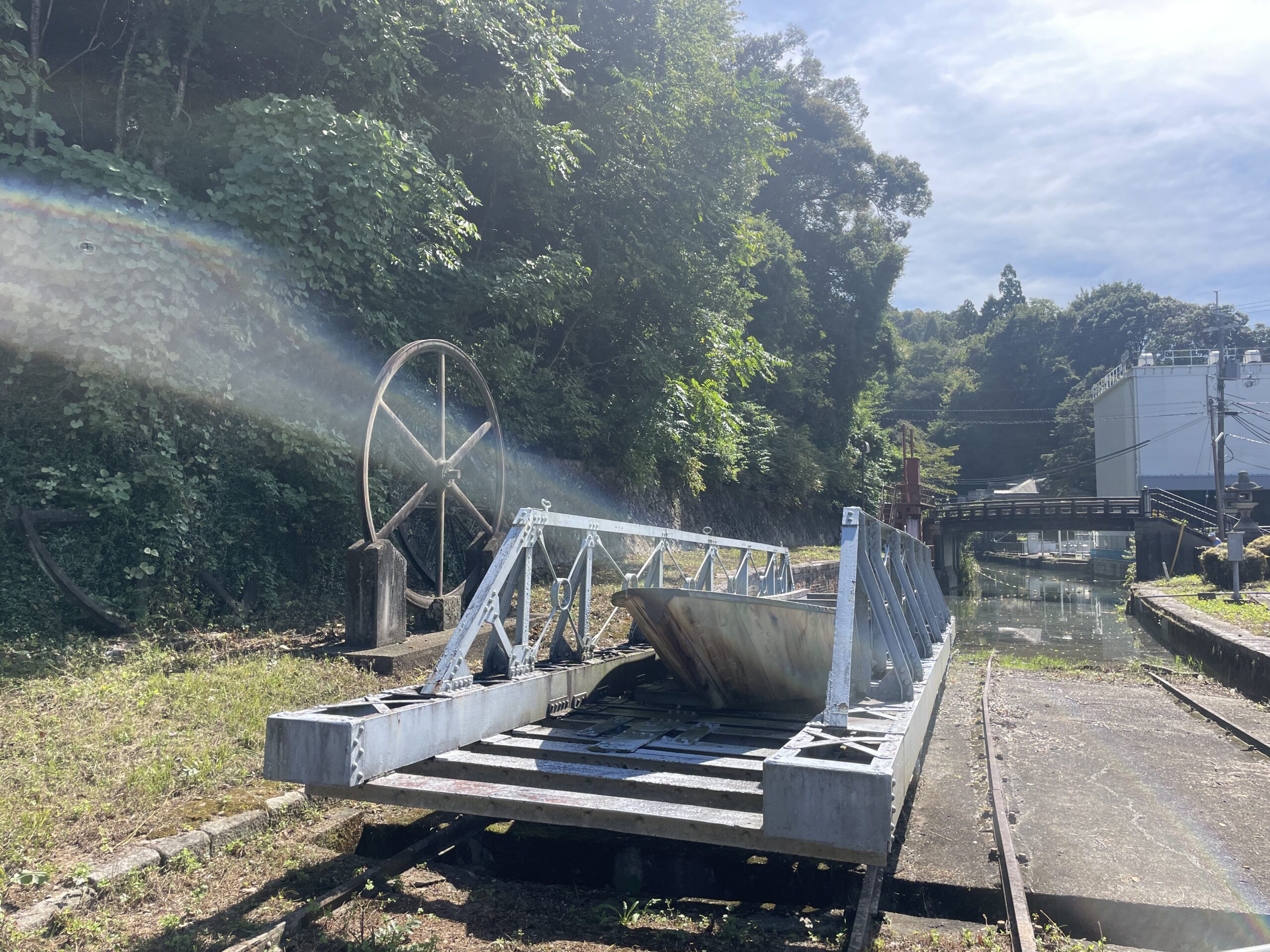
And in order to save time for any of our reader(s) who are inexplicably not interested, and to waste an amazing amount of time for those who are, here is a fantastic VR site which you may choose to click on to reconstruct the railway in action.
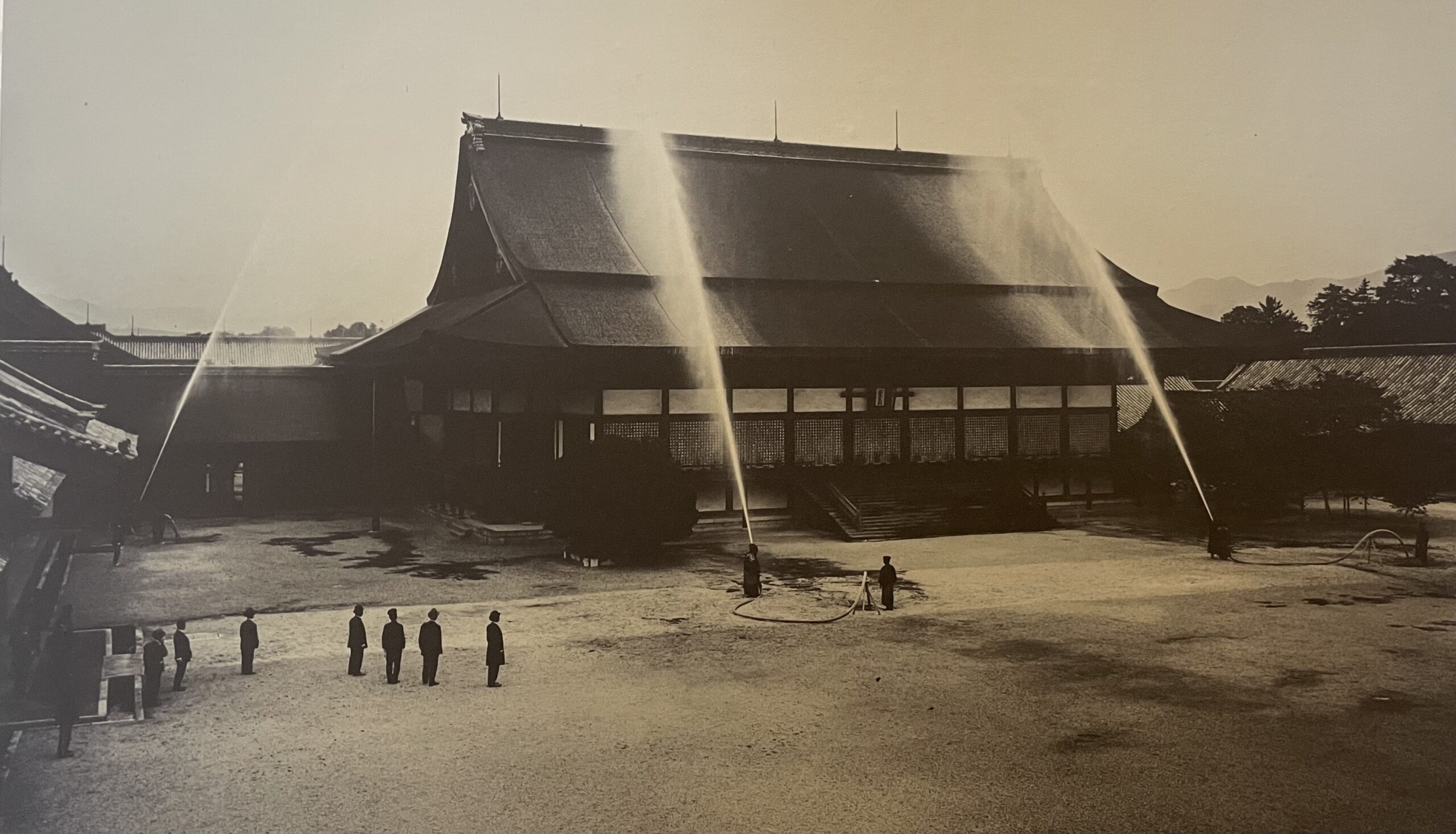
A side benefit of the project was that it provided high-pressure water to use for extinguishing fires in the local royal buildings, and here is a team practising.
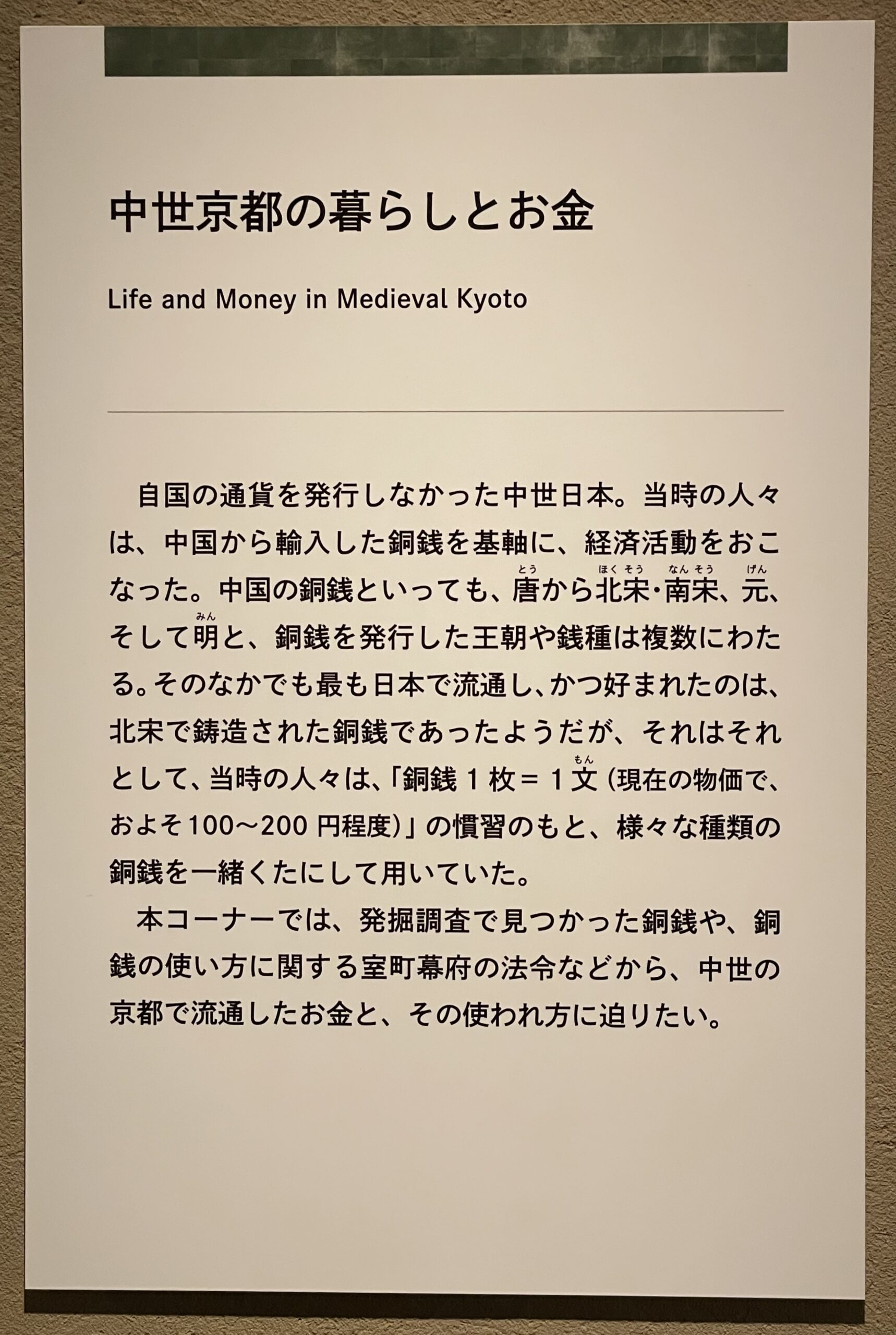 After this the rest of the day was bound to be a bit of a disappointment but the Kyoto City Museum exceeded expectations considerably with only the headlines translated into English.
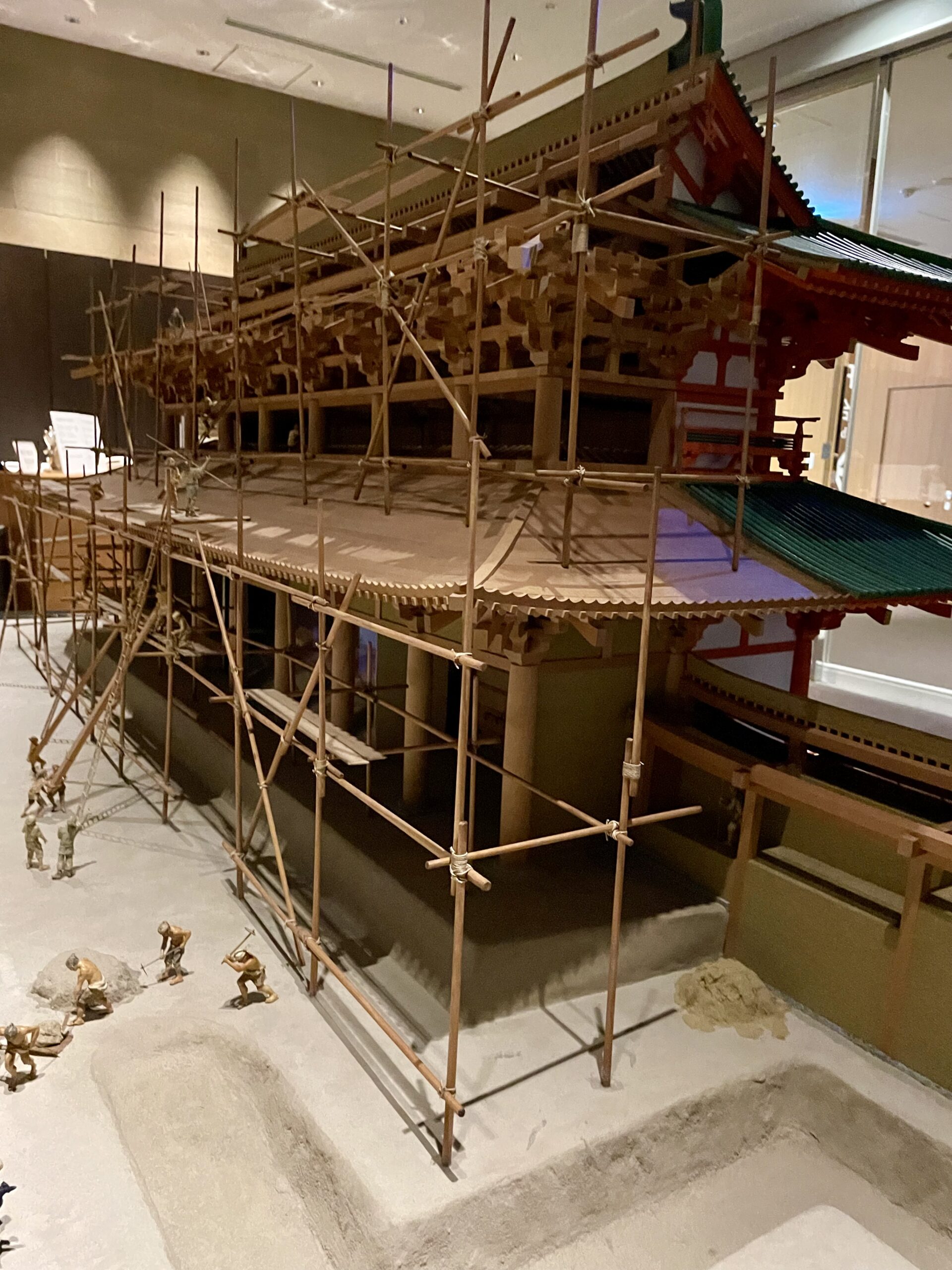 We had to contend ourselves with the more visual exhibits and to console us there was a great model of The Big Gate Which Isn’t There Any More Because It Was Destroyed By Storm/Fire/War (the story of most historic Japanese buildings, cf above and Hakodate), showing the extreme construction advantage conferred by having bamboo growing locally. Some of these projects are contemporaneous with Salisbury Cathedral, where we only had wood for scaffolding and where access platforms had to be mostly hung from the already-built walls.
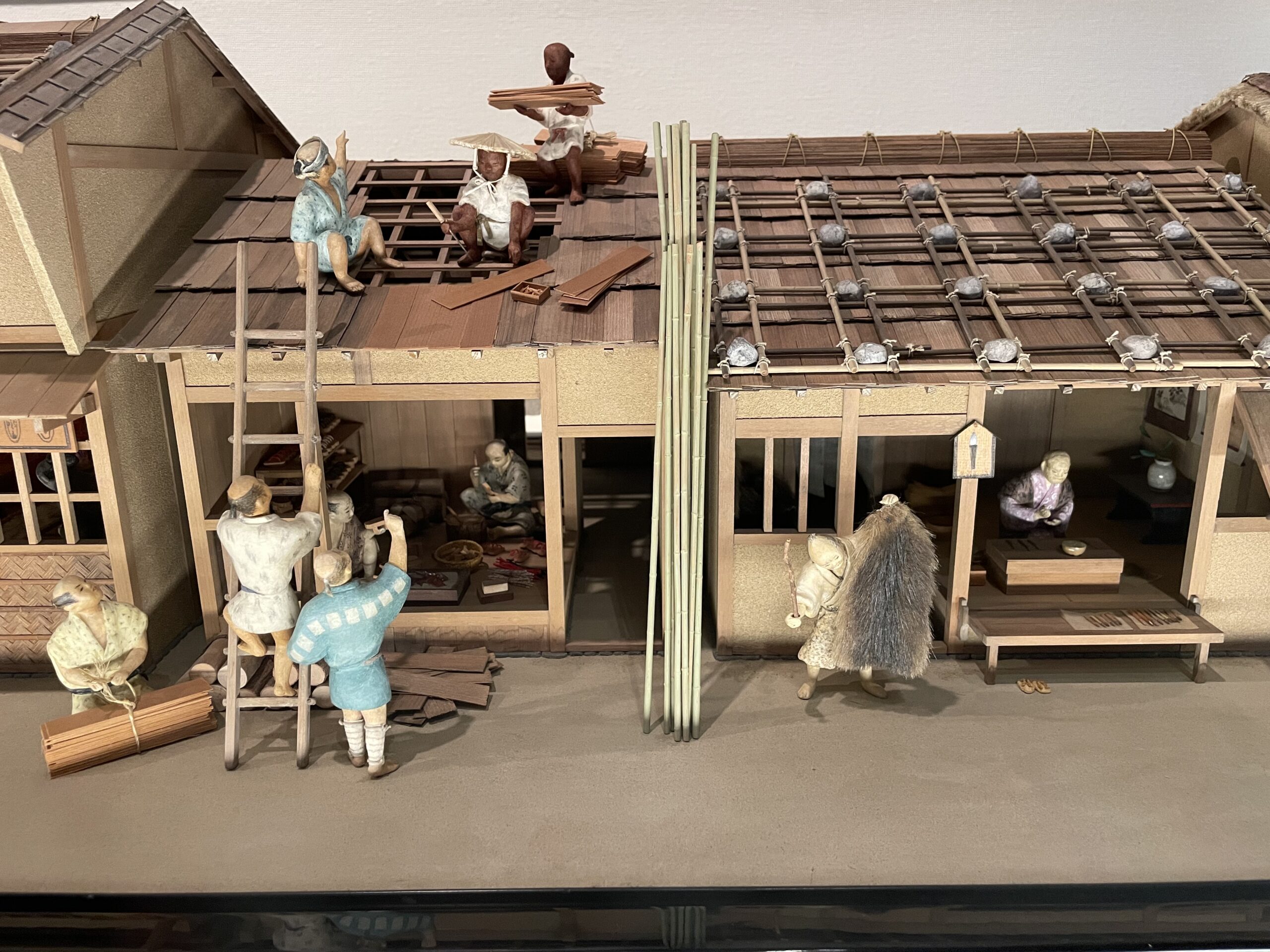
A model of a typical street of shops was also fun, the version on the right here is finished showing how the poor people’s roofs are still protected against high winds.
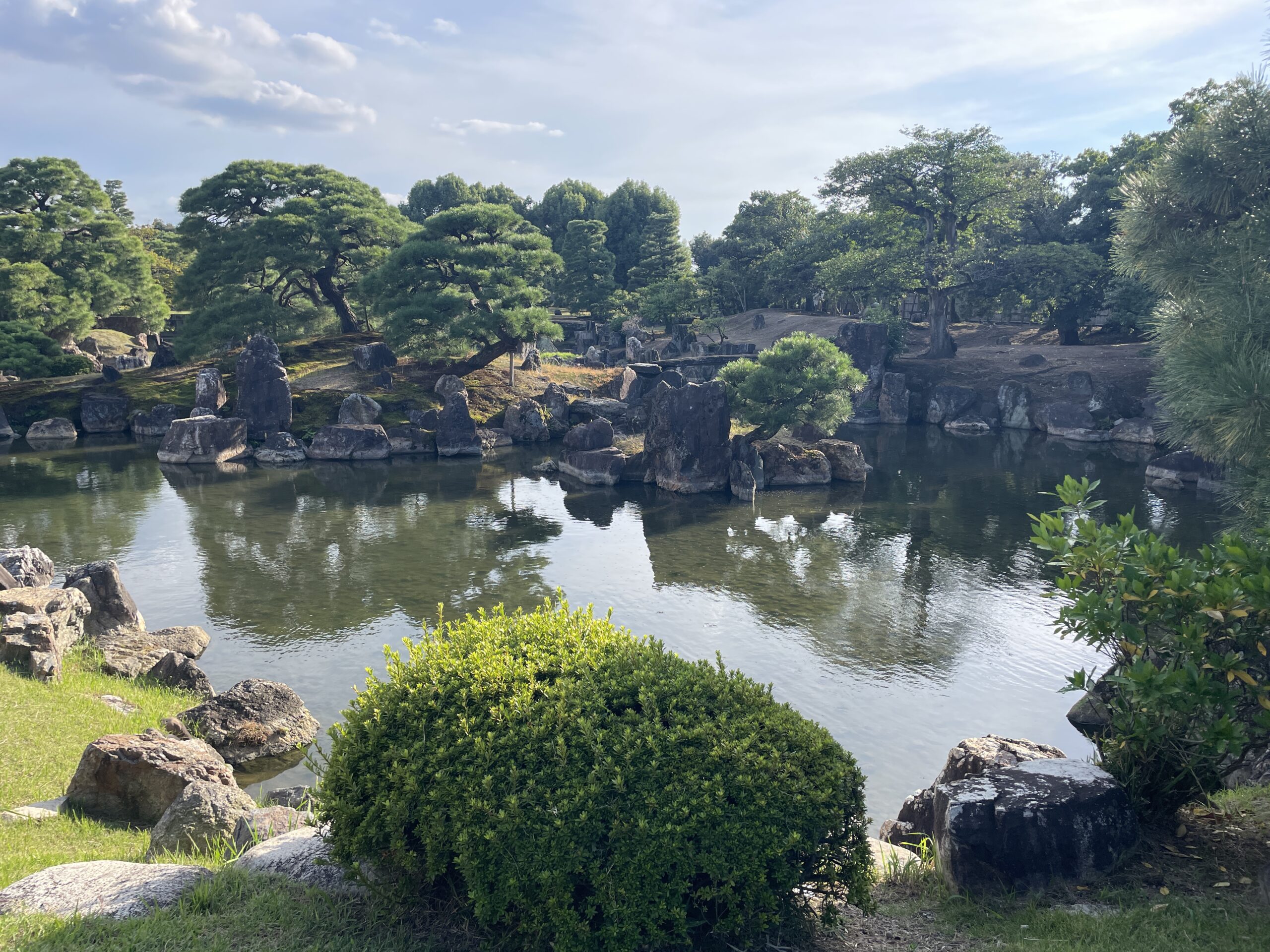
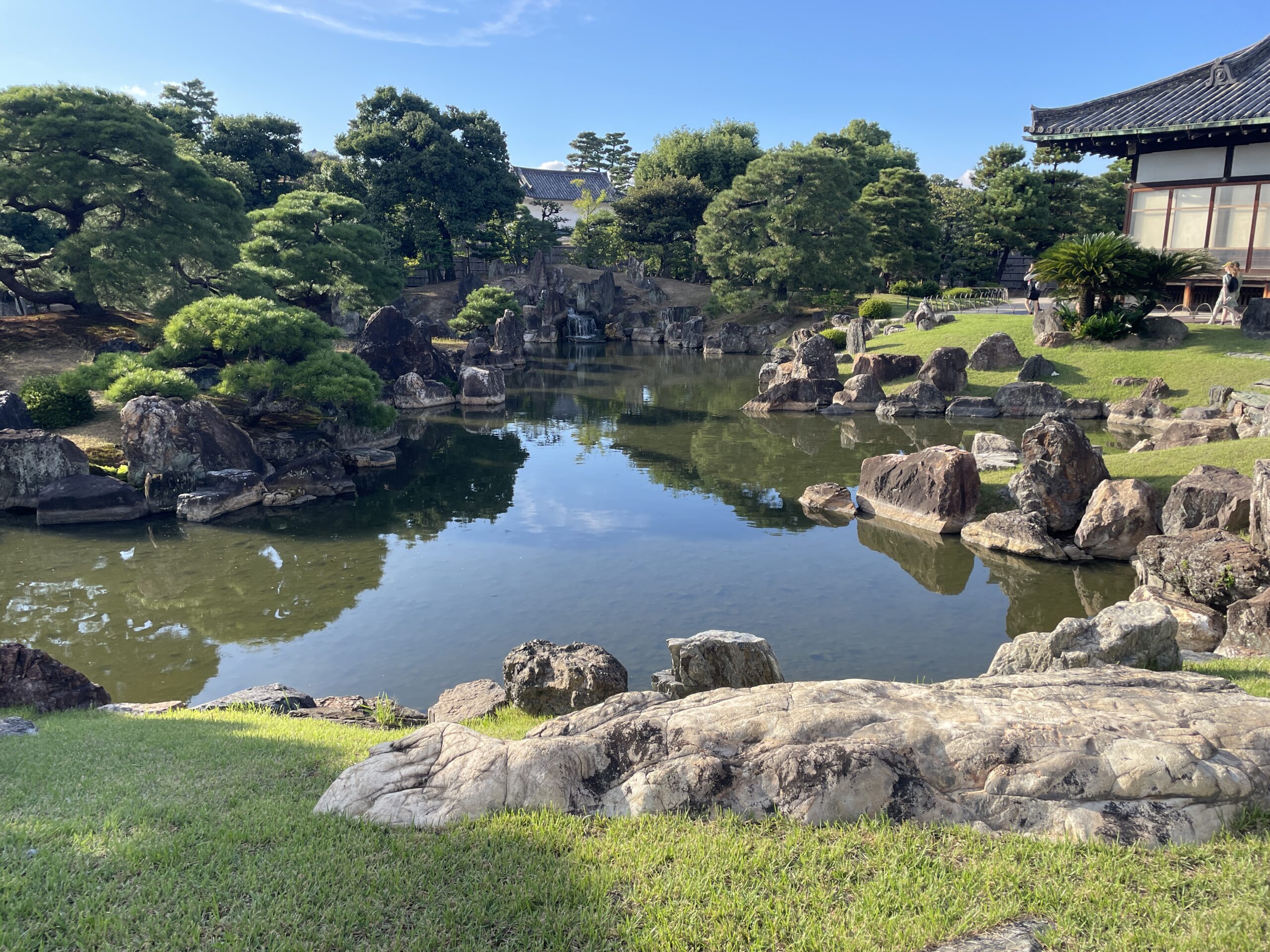
Thinking of Salisbury Cathedral, our final stop for the day was a last-minute entry to the Nijo Castle. We were too late to make an internal visit worthwhile but the trip round the gardens gave some splendid entrants to the Mr Blobby Contest.
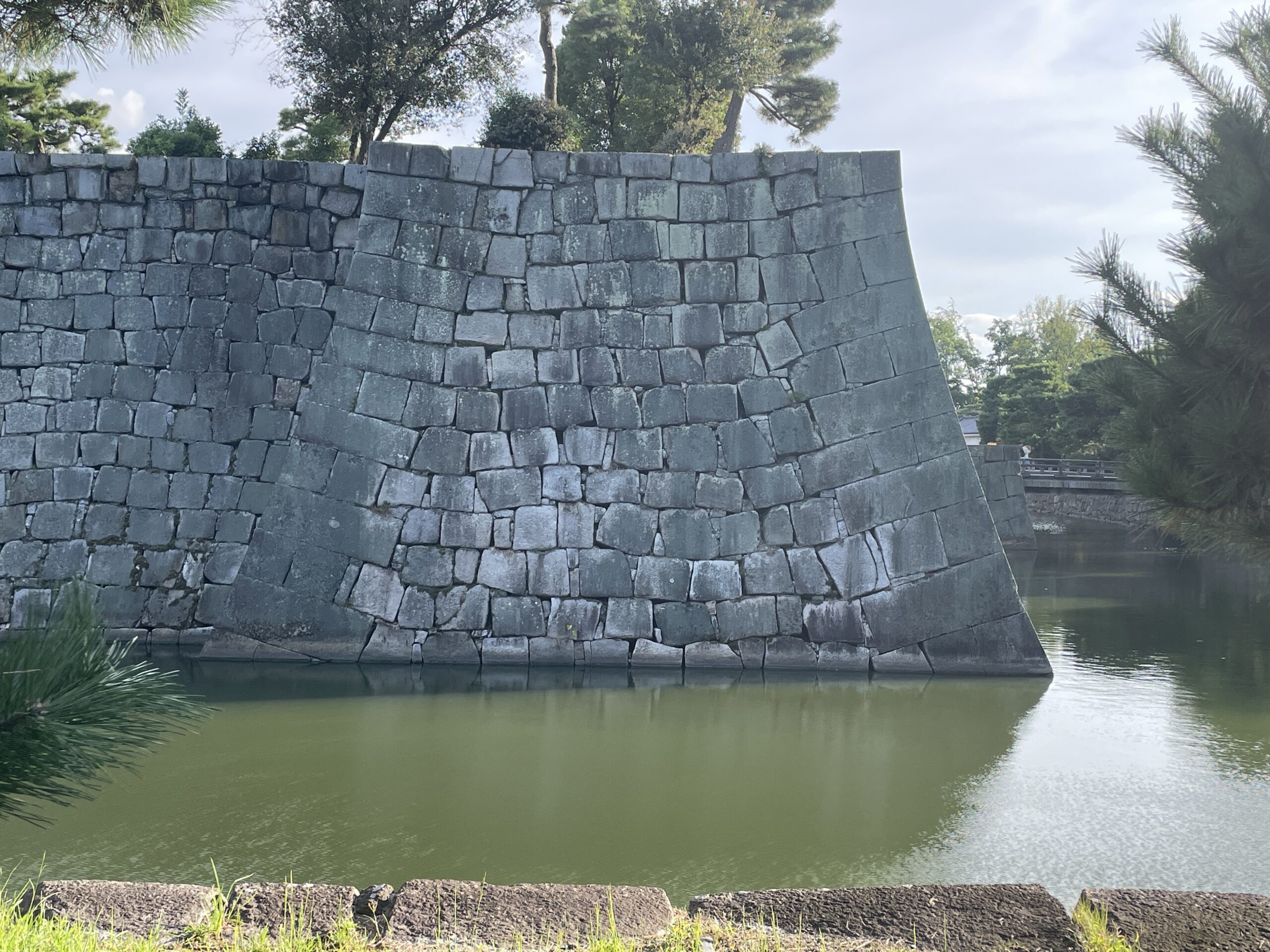
Continuing our engineering theme it also gave some insight into Japanese stonemasonry, which looks odd to us because the corners are beautifully constructed ashlar-style, while the middle bits of each wall seem to have random shapes chocked into position.
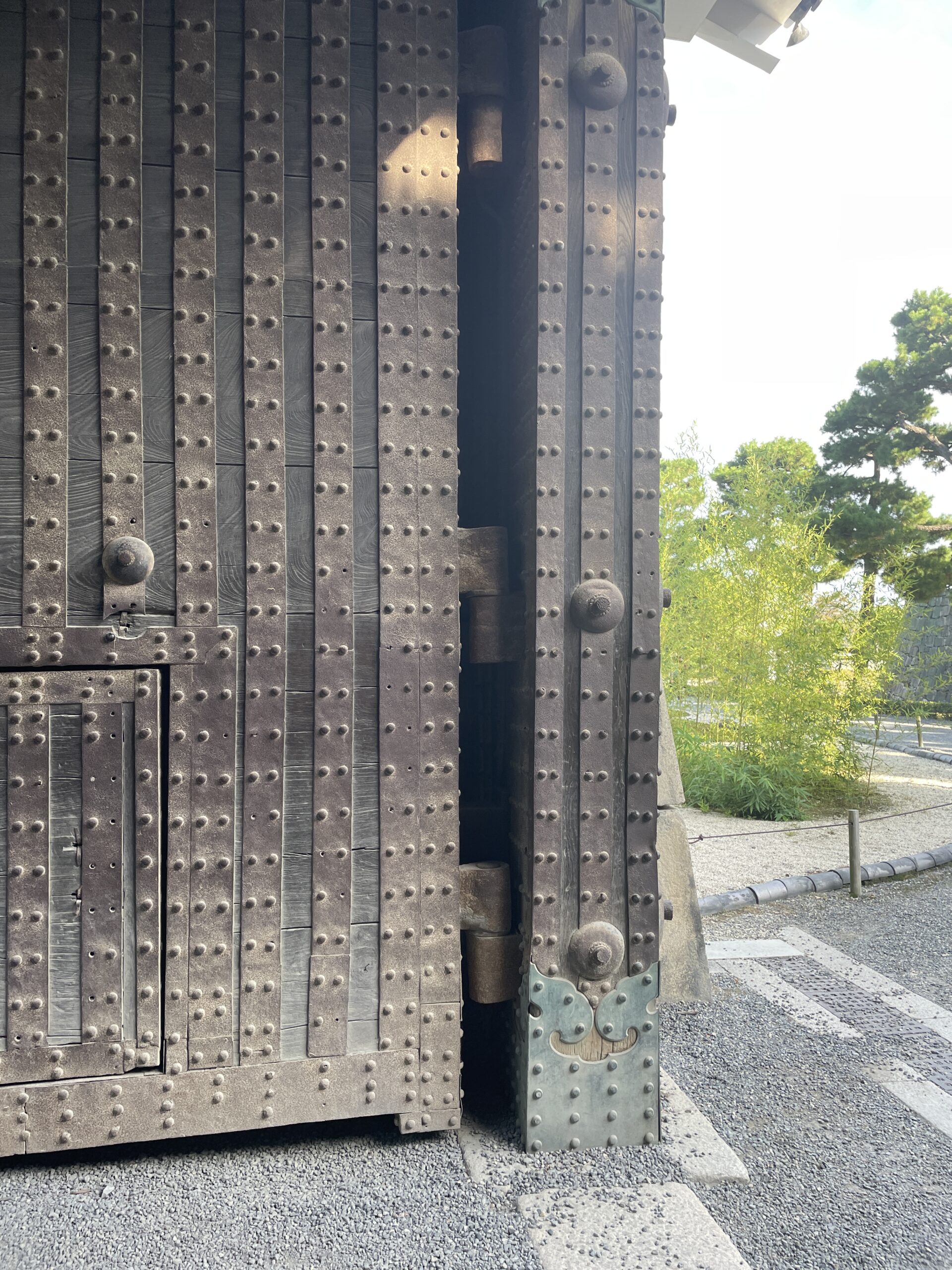
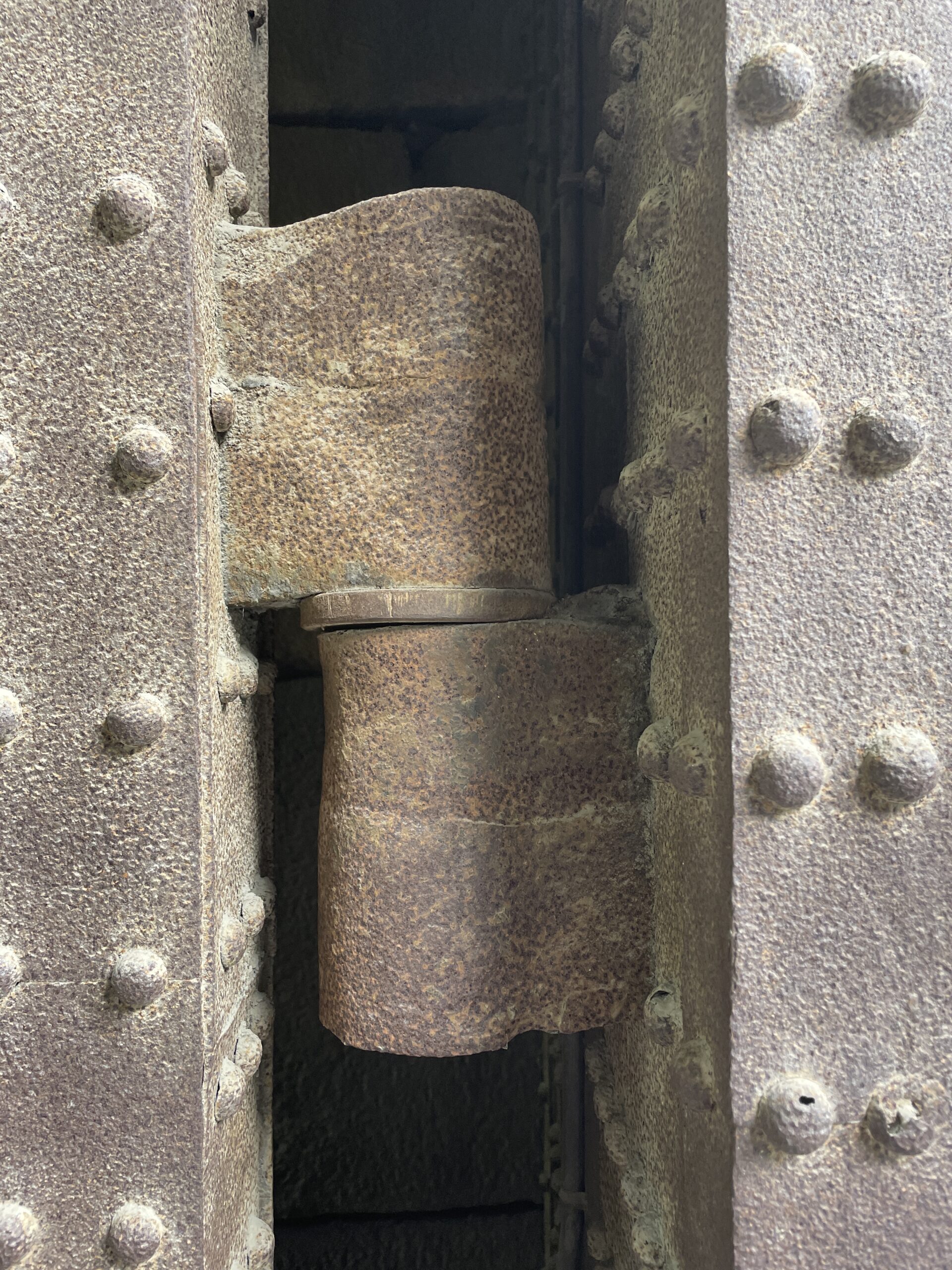
And some excellent washers on the massive gate’s massive hinges.
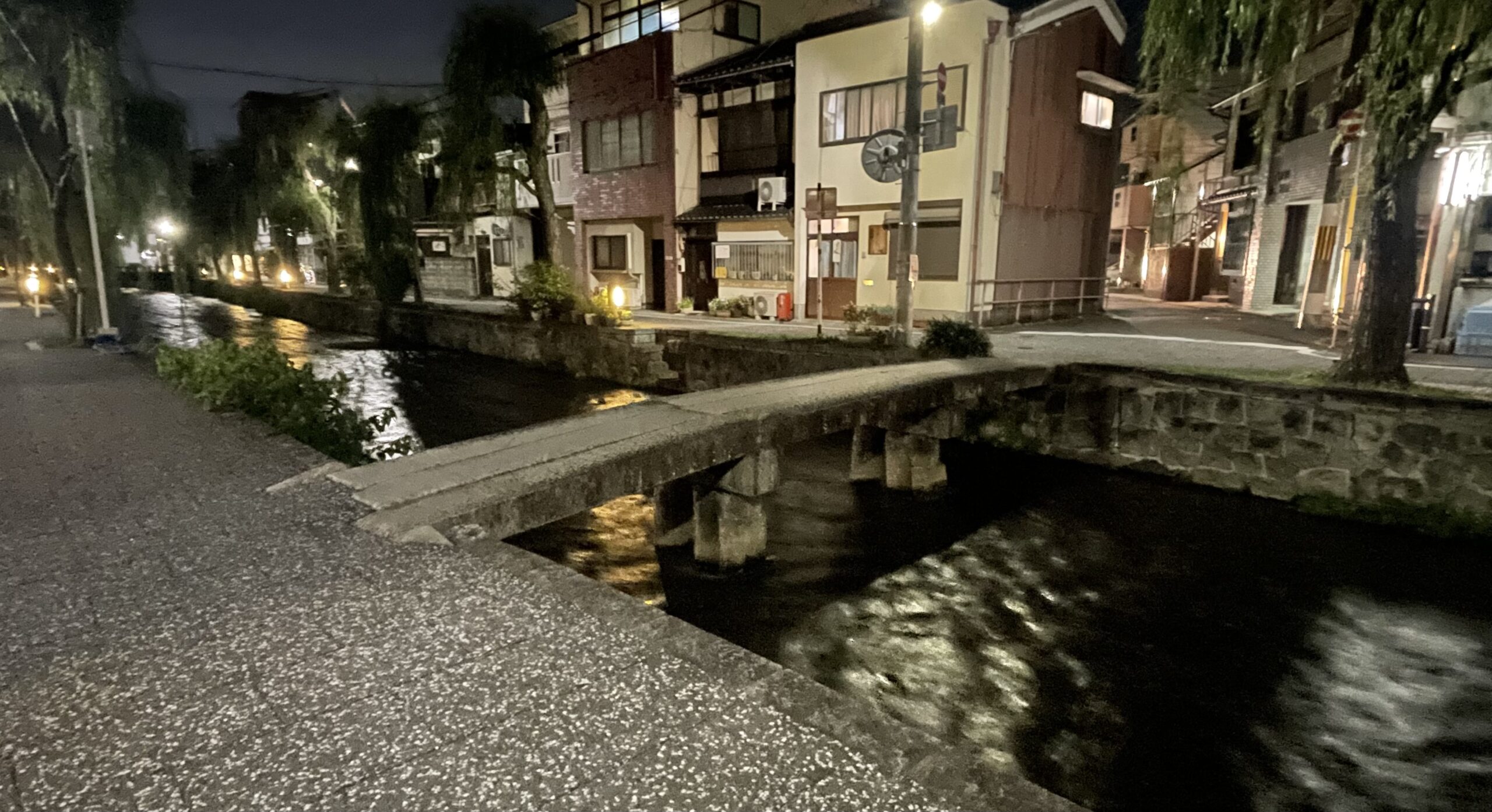
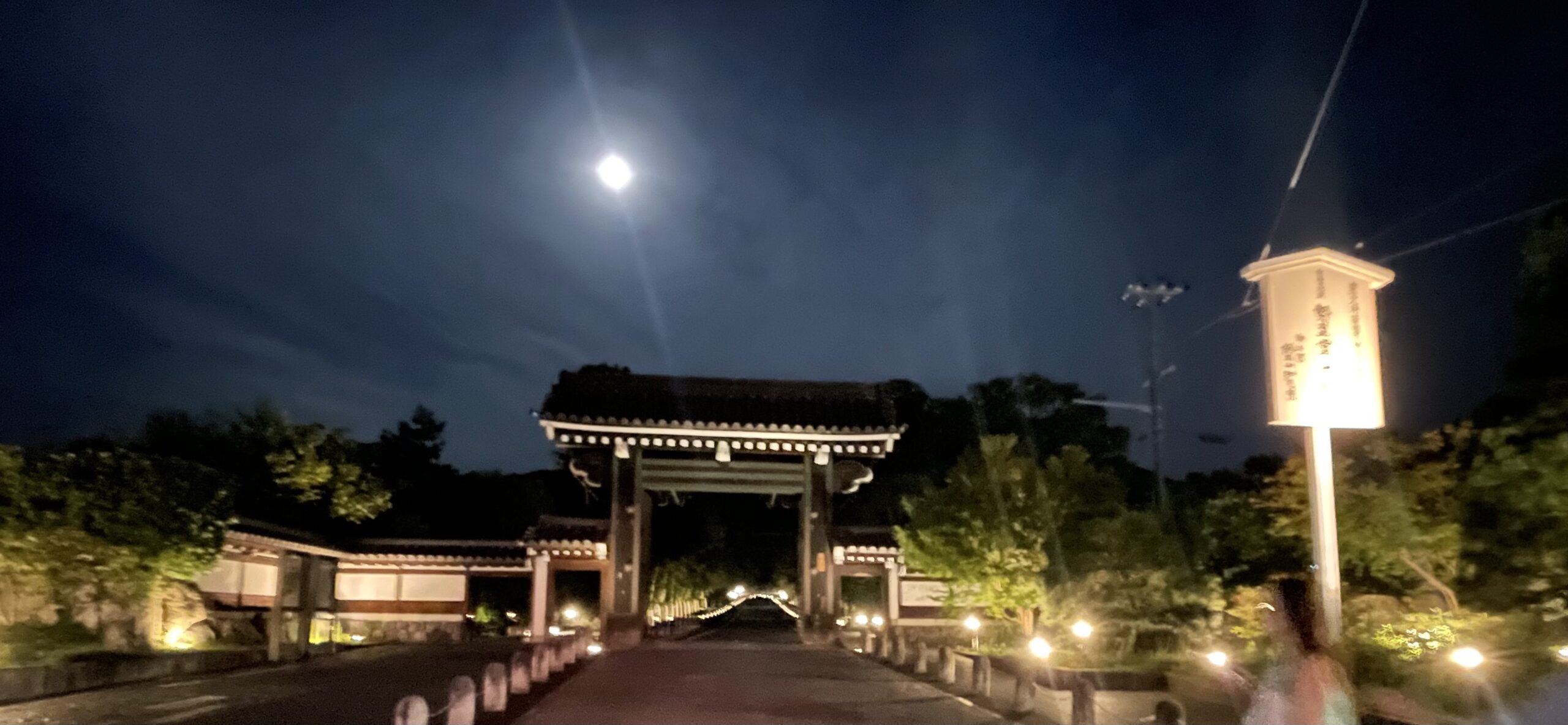
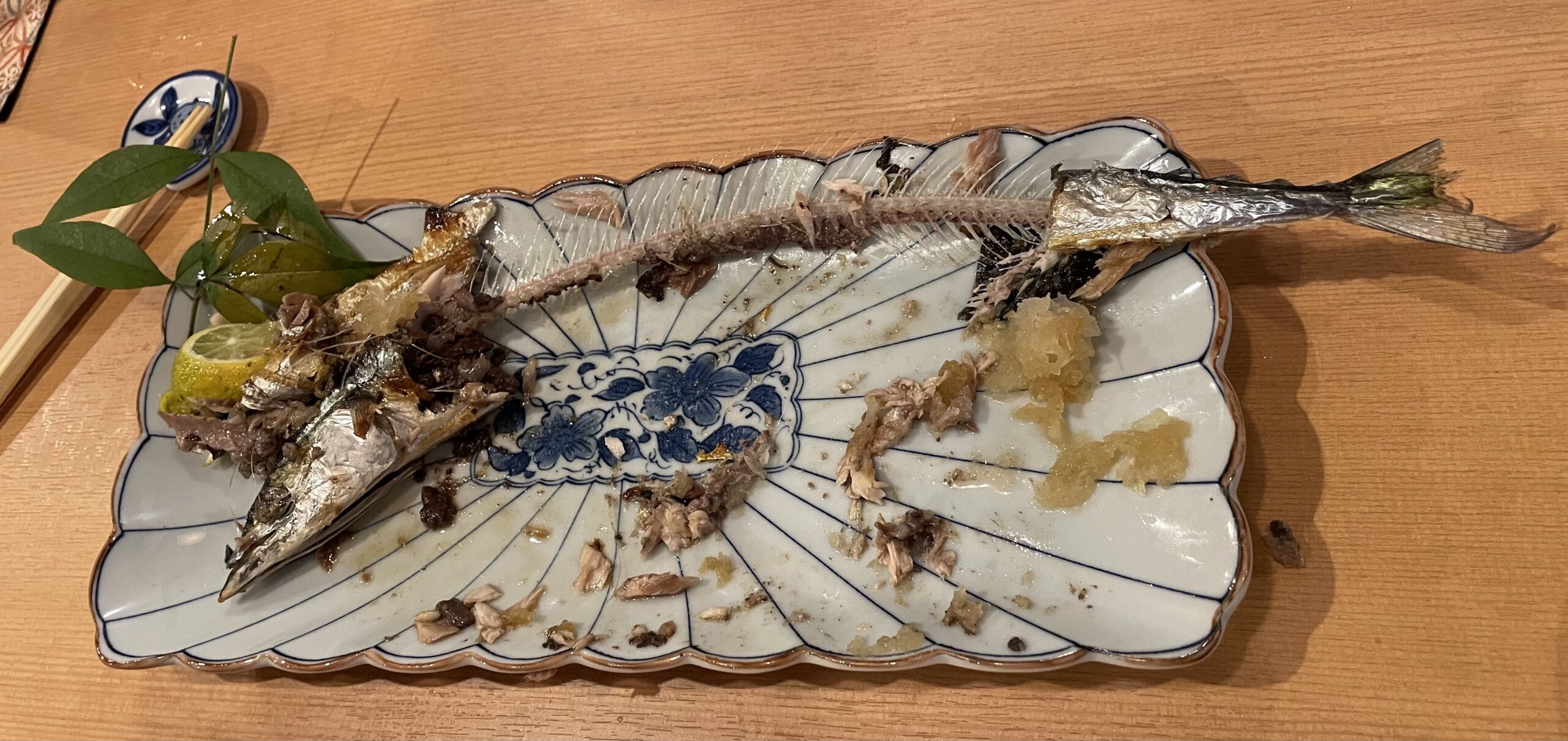
We have an evening off from Group Dining and walk down past a little canal and an apparently terribly famous shrine (sorry about the blurry picture) to a small but well-regarded neighbourhood yakitori restaurant to eat some Tasty Things On Skewers. Unfortunately a wrong-slot by Doris puts us in the next-door place which is a bit more random and Sid gets to improve his chopstick skills on the Fish Of The Day.