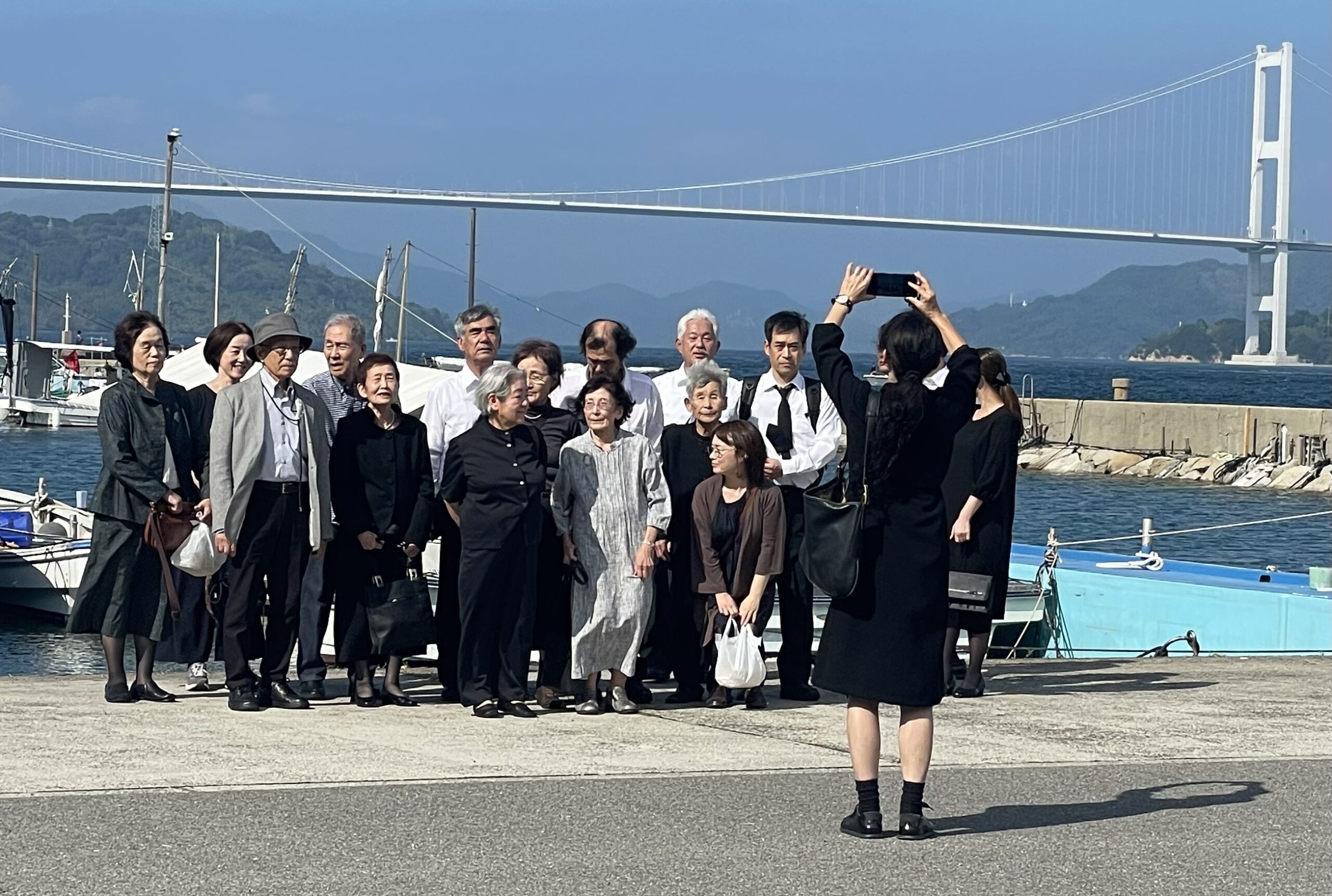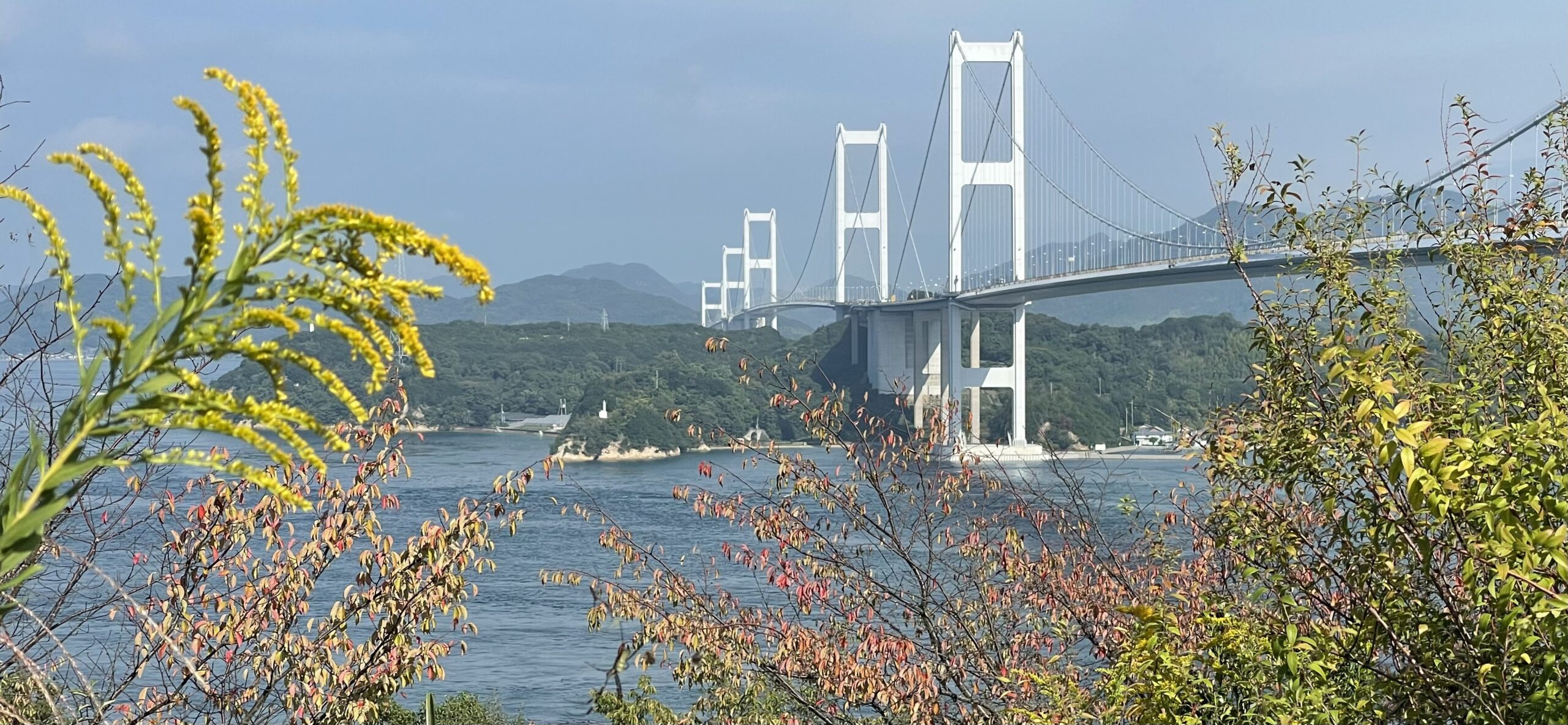
In which Sid and Doris find if they are pontists or gephyrophiles.
A pontist (once the spell checker stops correcting it) is someone who loves bridges, while a gephyrophile may imply that the love is more about crossing the bridges rather than spotting them, admiring them, marvelling at their construction, and simply travelling a long way to look at them.
Either way, our two days onto and off Shikoku island contain a satisfying number of bridges.
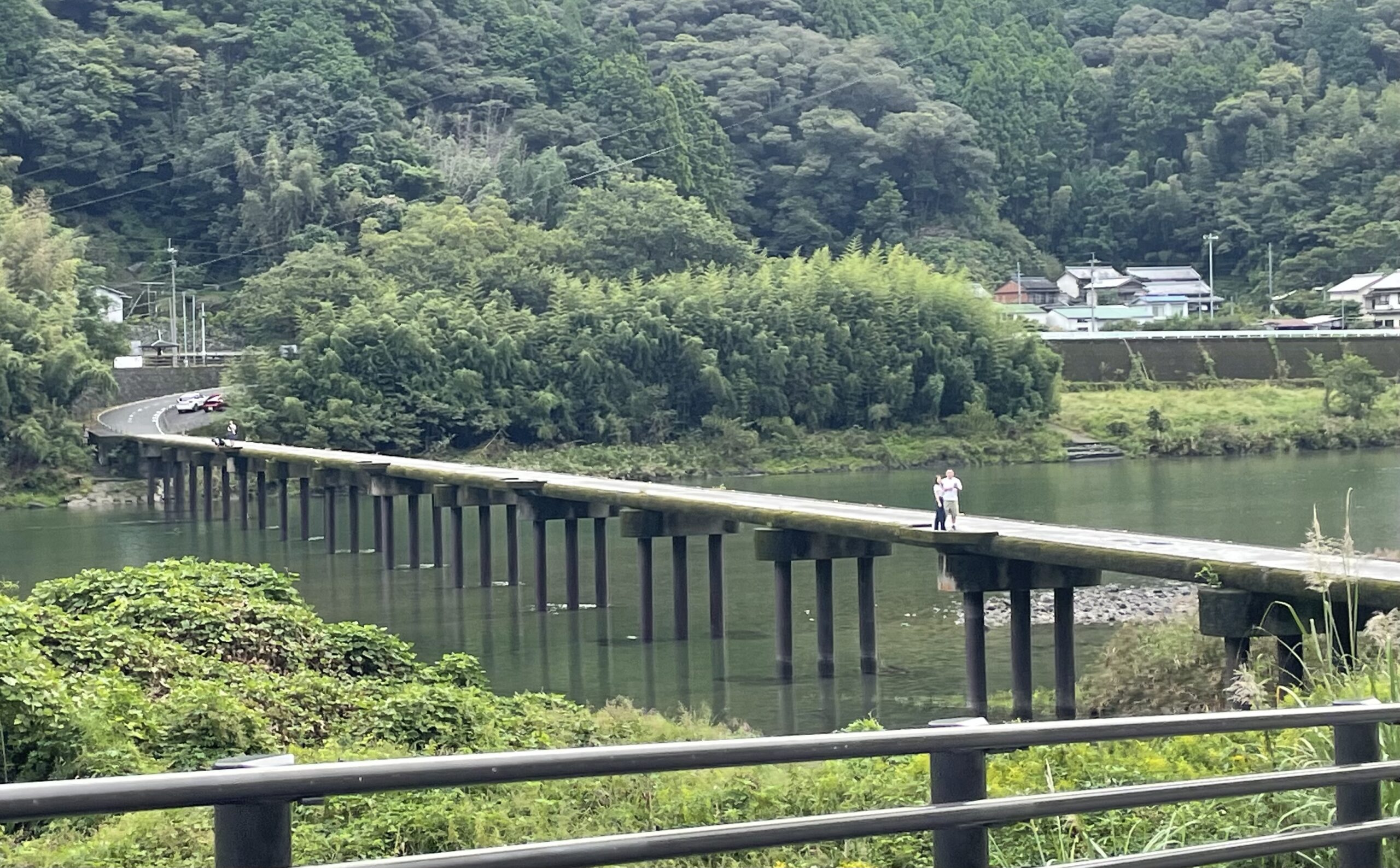
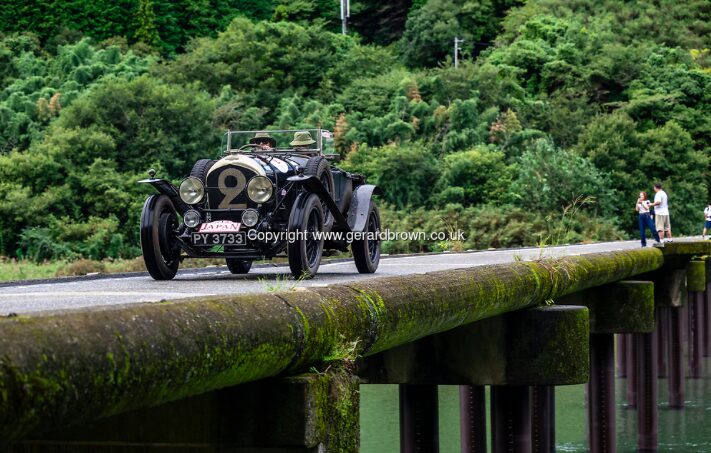
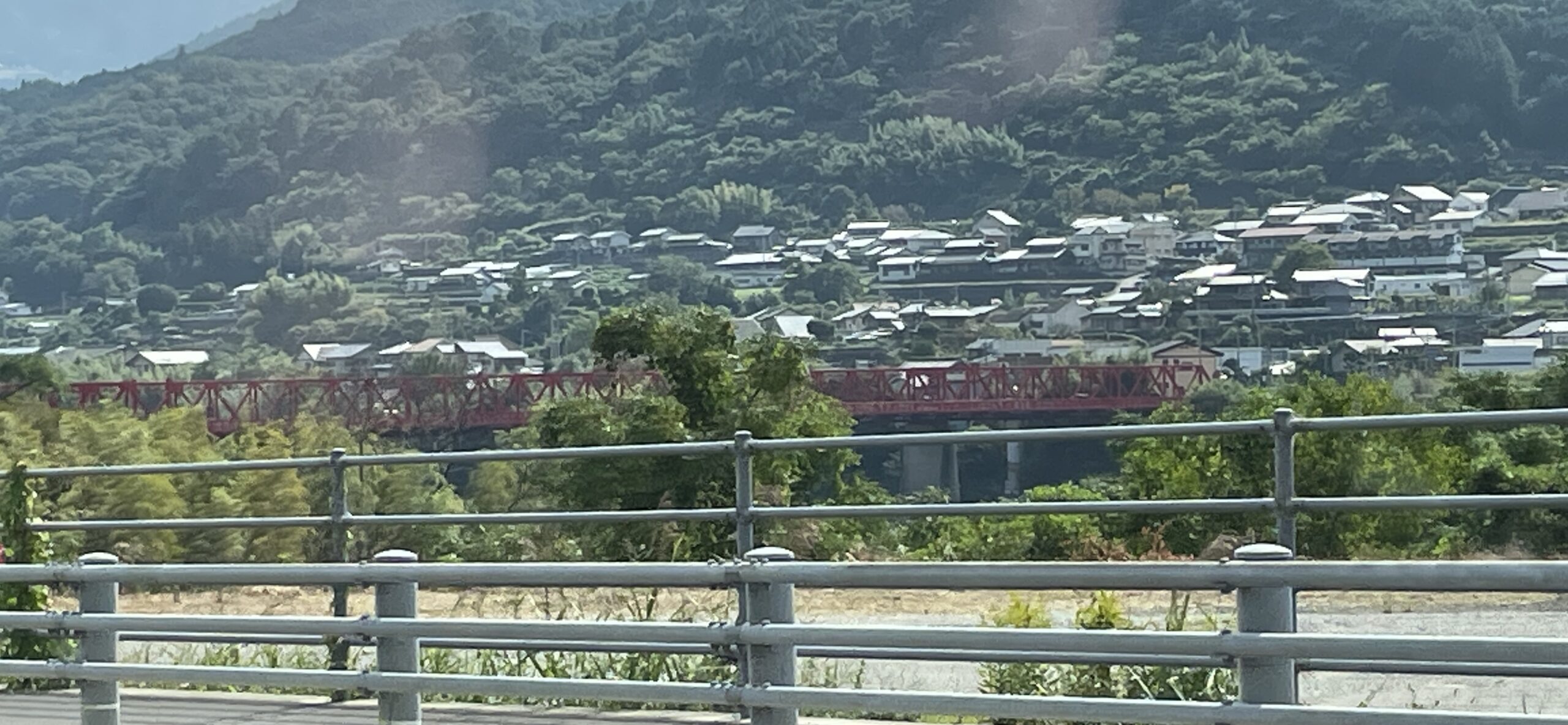
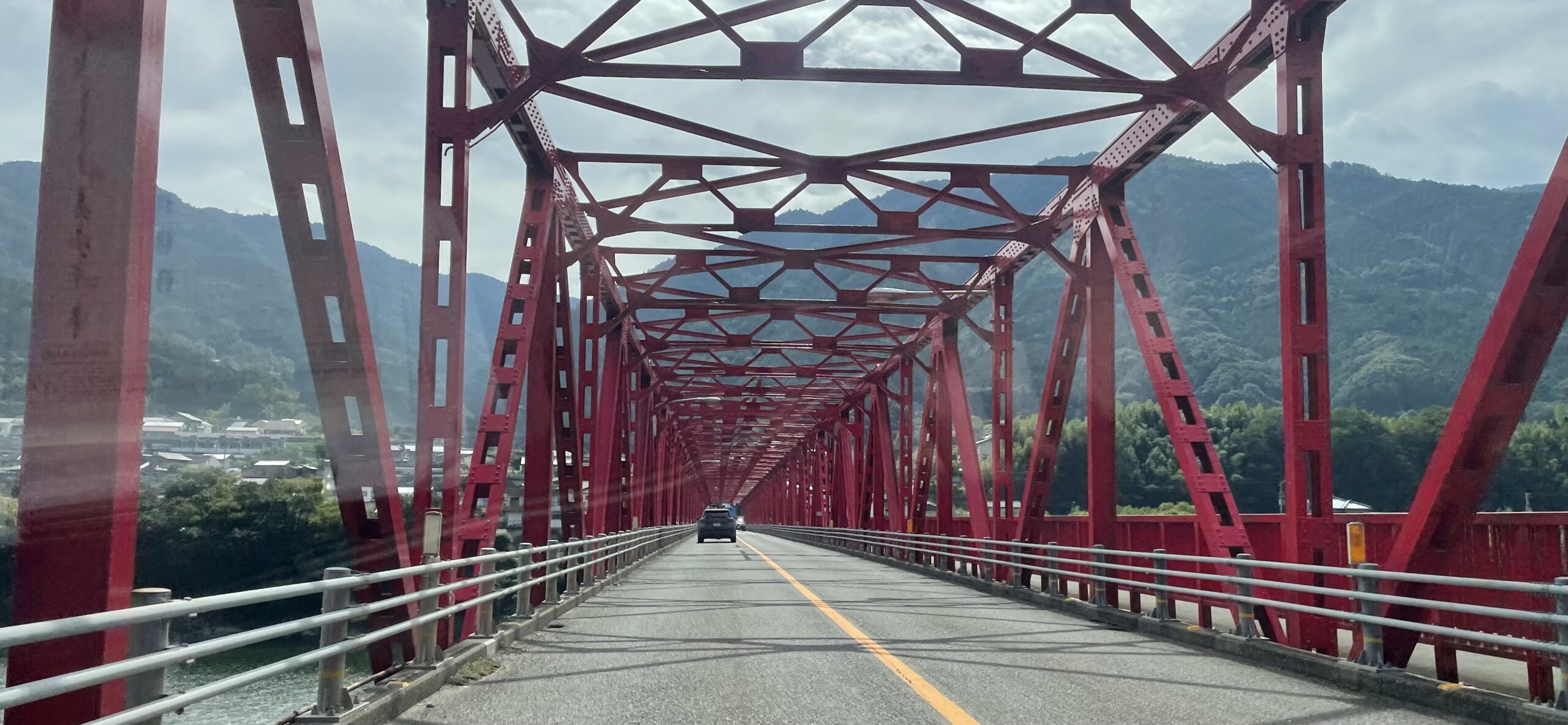
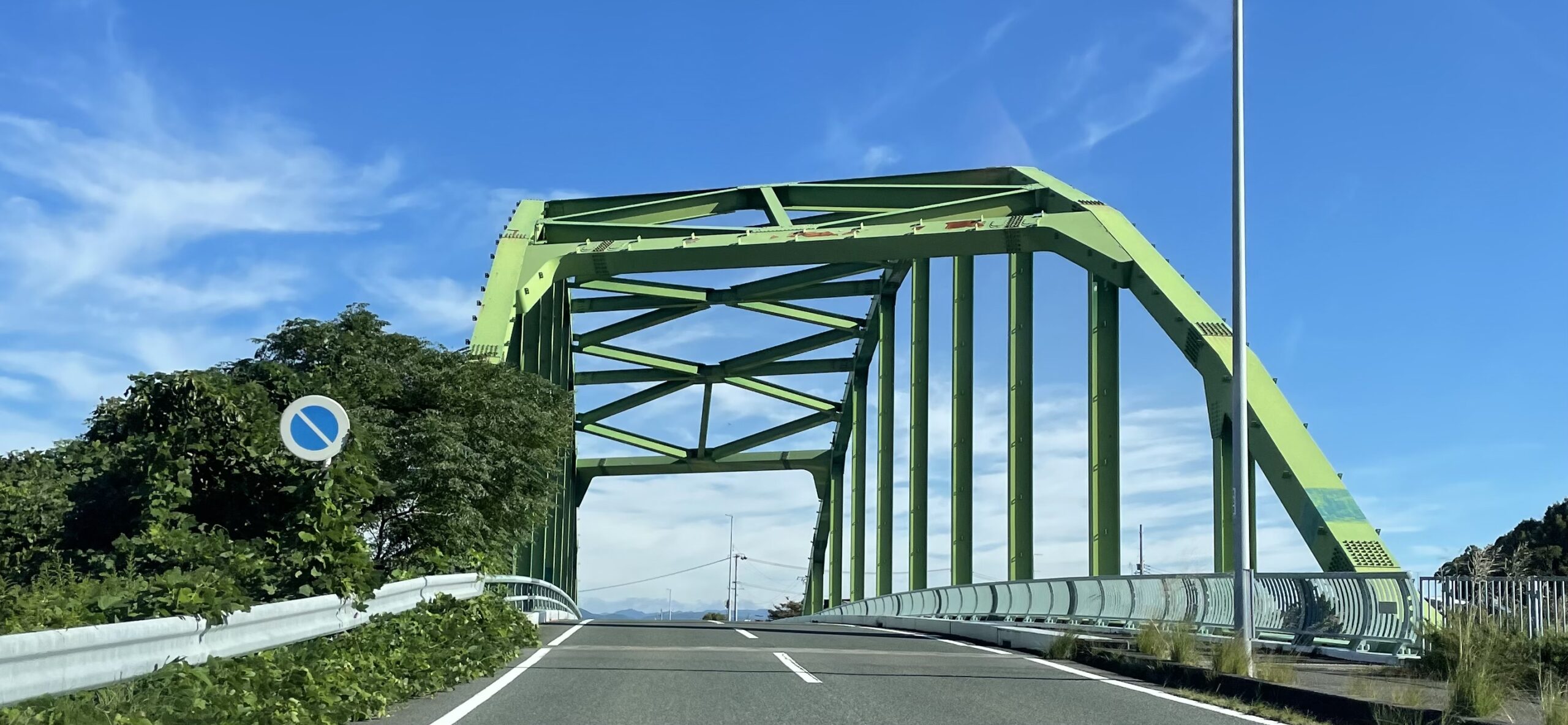
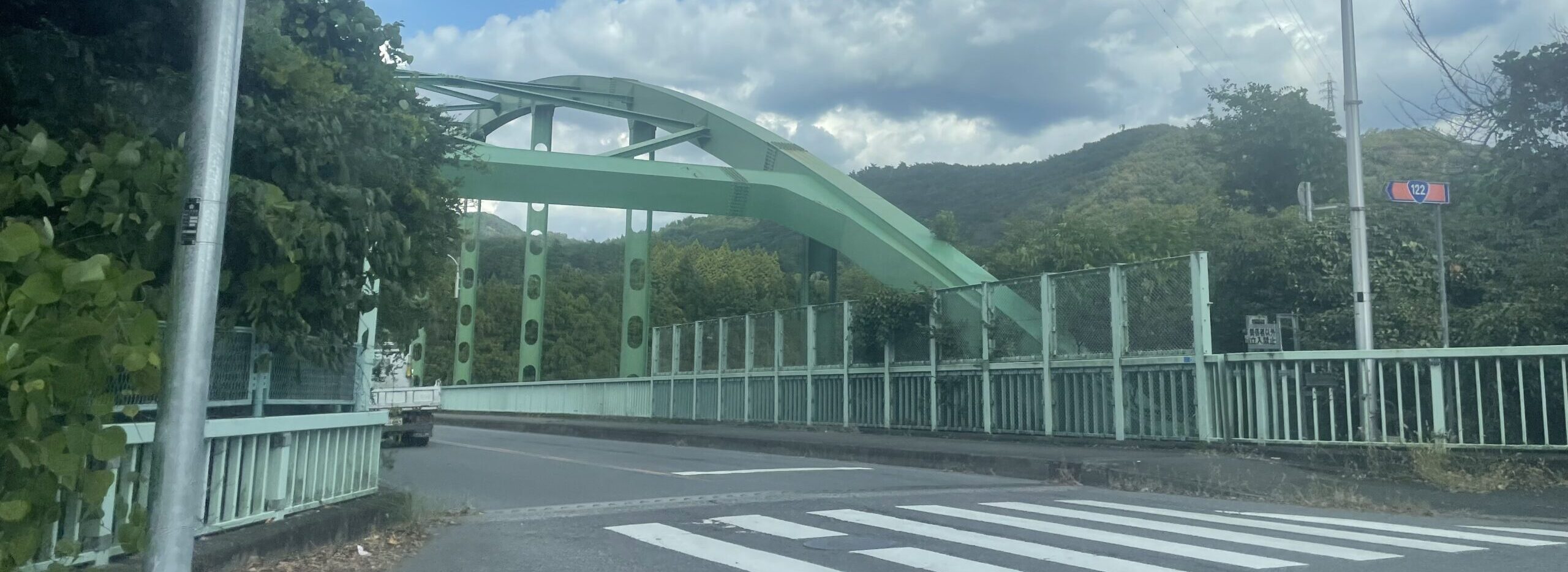
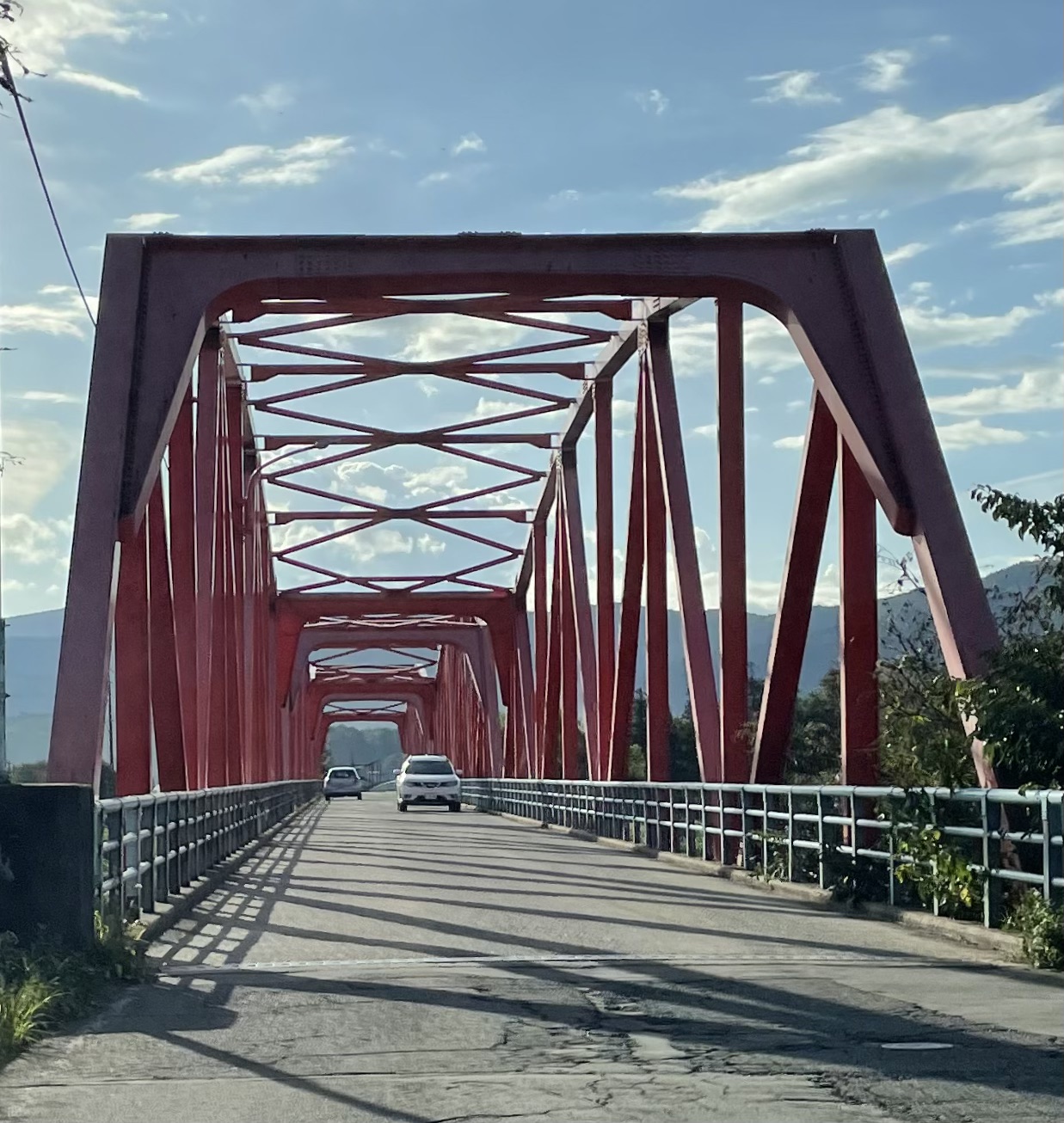
Before that, we need to introduce Sid’s Typography of Japan’s Post-War Bridges. There are two main types. A type 1 bridge has a boxy shape, and a type 2 bridge has an arch shape.
Type 1 seen from a distance and close up:
Type 2 bridges, note the ability to paint them different colours and get creative with the uprights, also to chain several together to cross a longer span.
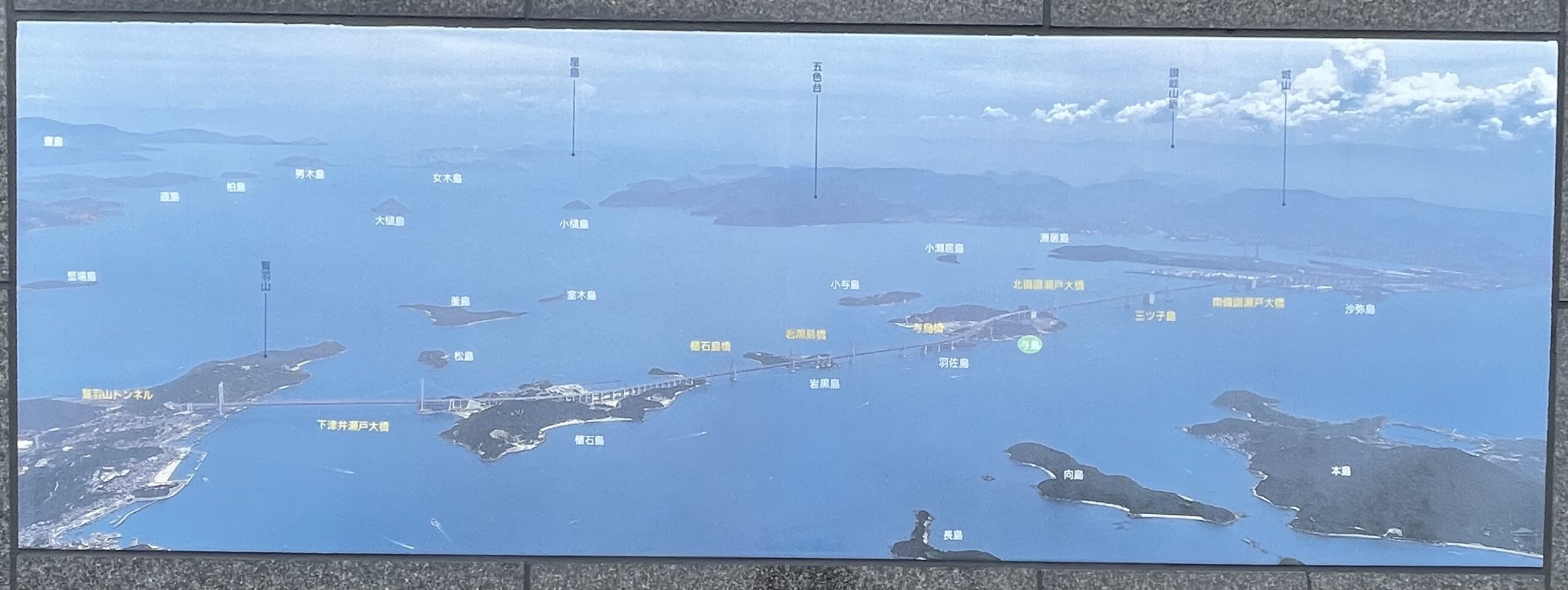
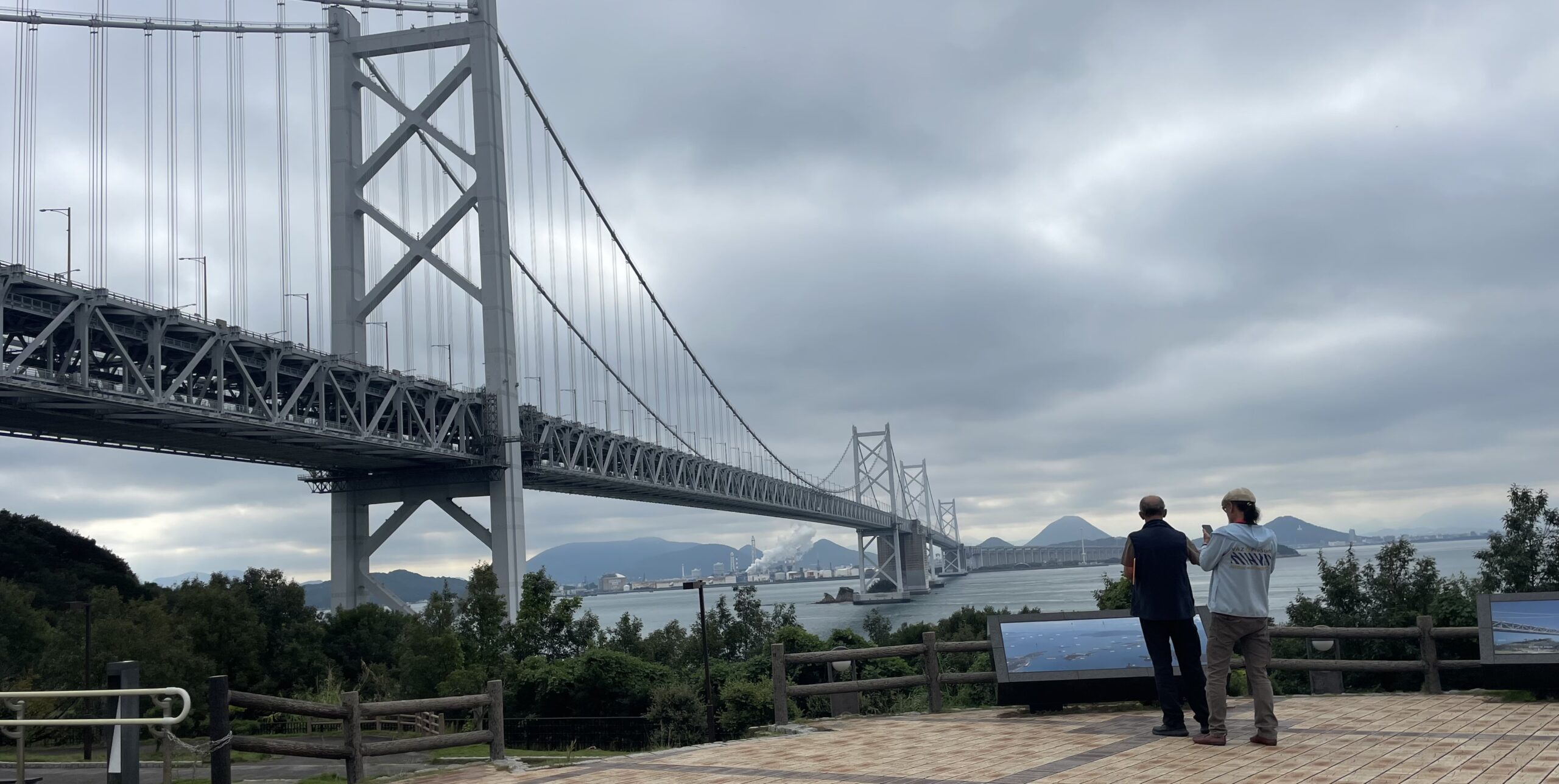
We are reaching Shikoku over the Seto Ohashi Bridge, the “world’s long-est two-tiered bridge system”. It is very amazing, so much so that several crews have a second go at it as they miss the passage control in the middle. Satisfyingly, a train comes past on the under-layer while we are there.
There is an 88-temple pilgrimage of temples round Shikoku, apparently invented by the Buddhist priest Kukai in the 9th century, and the first guidebook was published in 1687. Bothy McWeevil is very impressed and has wandered off to create a Thistle Gardens Of Scotland trail.

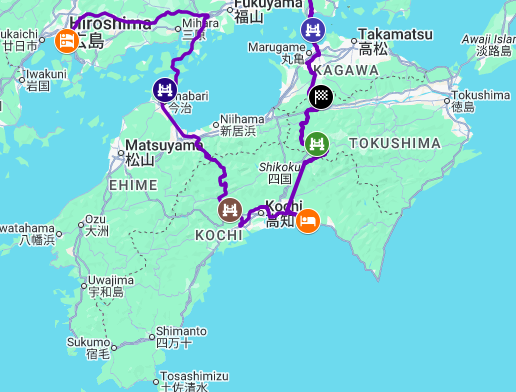
Foul unbelievers that we are, our route takes us directly across the middle and back again, although it is possible that our route will take us over at least 88 bridges.
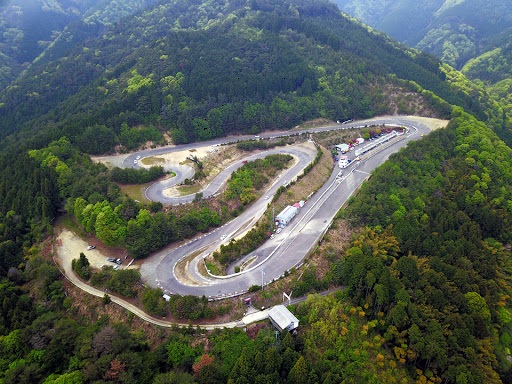
After the initial crossing (4 bridges down, 84 to go) we go to the Asan Circuit, a completely insane motorcycle track which has been built at the top of a precipitously steep track, entered via a tunnel that only a kei-class bike transporter could fit through. This picture (from the circuit’s own page) says it all.
The goal is to do three laps each in exactly the same time, a feat which many crews (including alas Sid and Doris) fail to achieve.