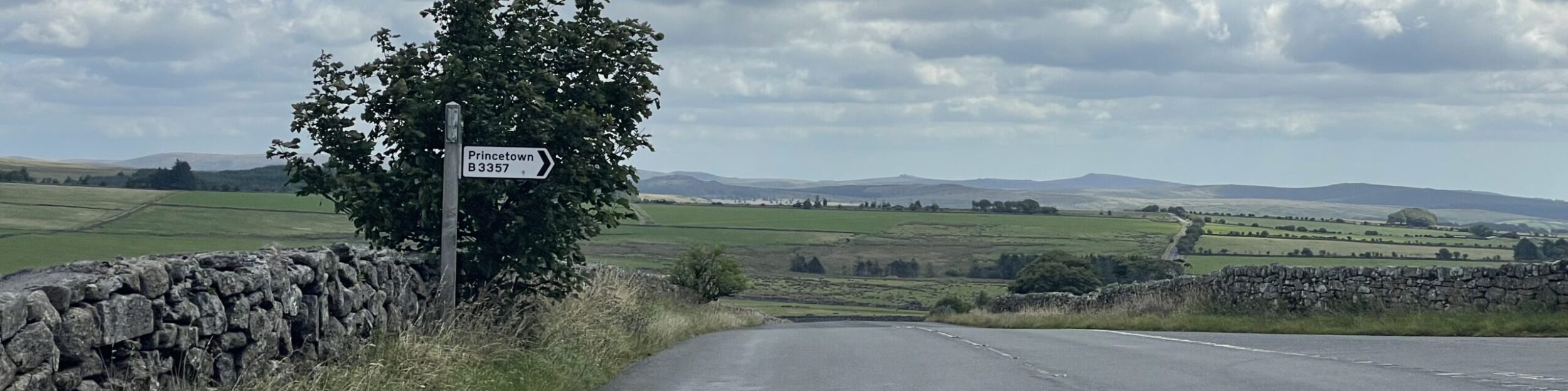
In which Sid and Doris holiday in Utoro before going back to the holiday with the time cards.
Mon 22nd – Day 4 a rest day in Utoro
Utoro is our first rest day and absolutely S and D territory because it is a fishing port.
But first there is dealing with Teal’s squealing alternator. Sid gets the tools and all ready so Charlie can put the big bar on to achieve the adequate tension on our degreased alternator belt. Then Teal baby is cleaned by hand. Only later do we find the jet wash 30 metres away. Doh.
Nothing will do but Doris must see the water falls at Onnebetsumura. There is a fine visitor centre for the park. Most of the walks are shut due to bears on the paths. And this is despite the centre selling bear bells, which warn bears humans are about. The bears mock the bells. Ho ho, I care nothing for your bells. There is no picture of the bear we didn’t see. The falls are quite OK. Water falls into the sea far below.
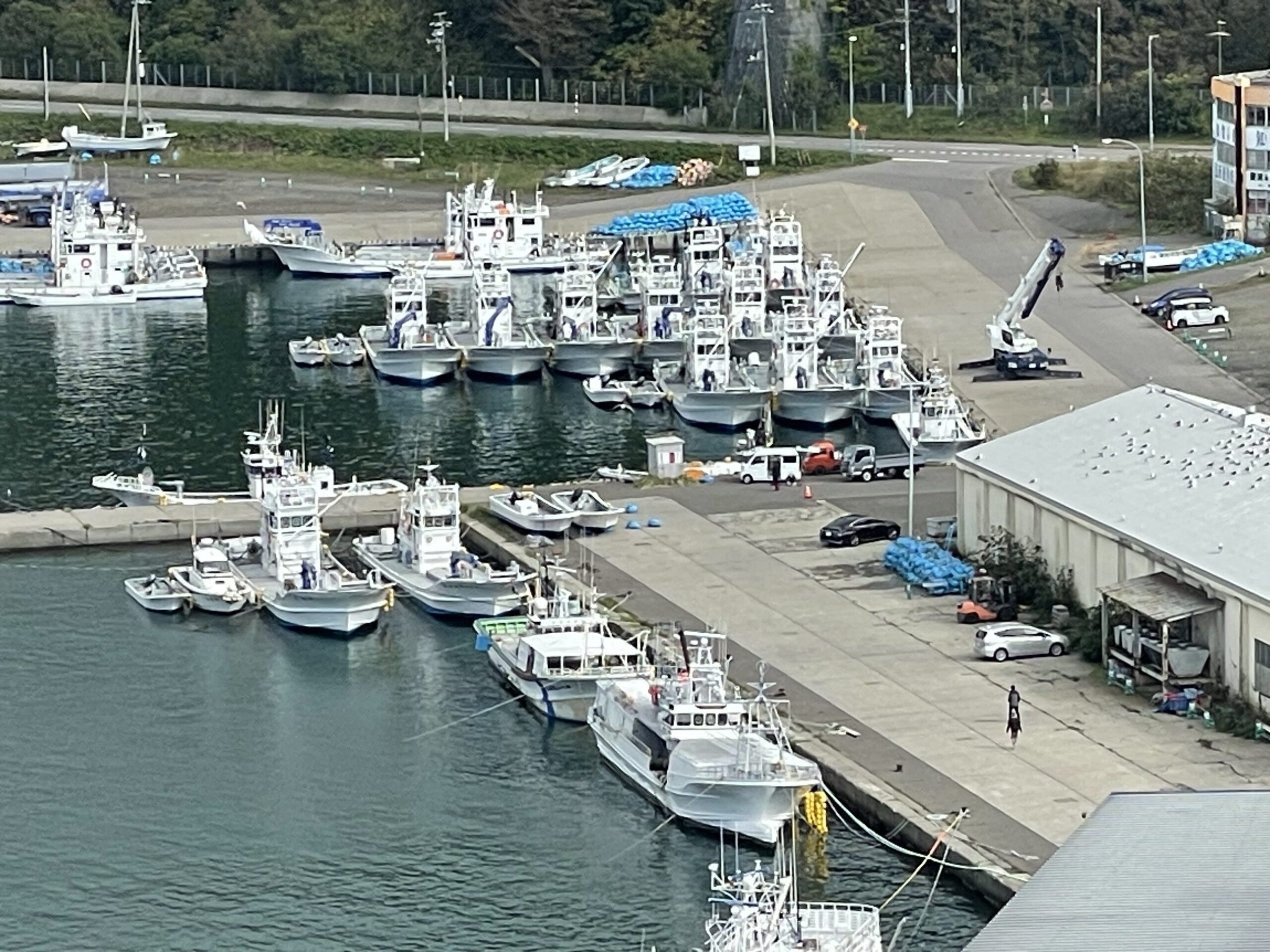
Meanwhile back in town: Utoro is the world’s tidiest fishing port. Partly this is because the boats are aluminium and so not streaked with rust. But as the picture shows there are maybe four different boat types built in the same yard, tied up by type, with the cranes angled just so.
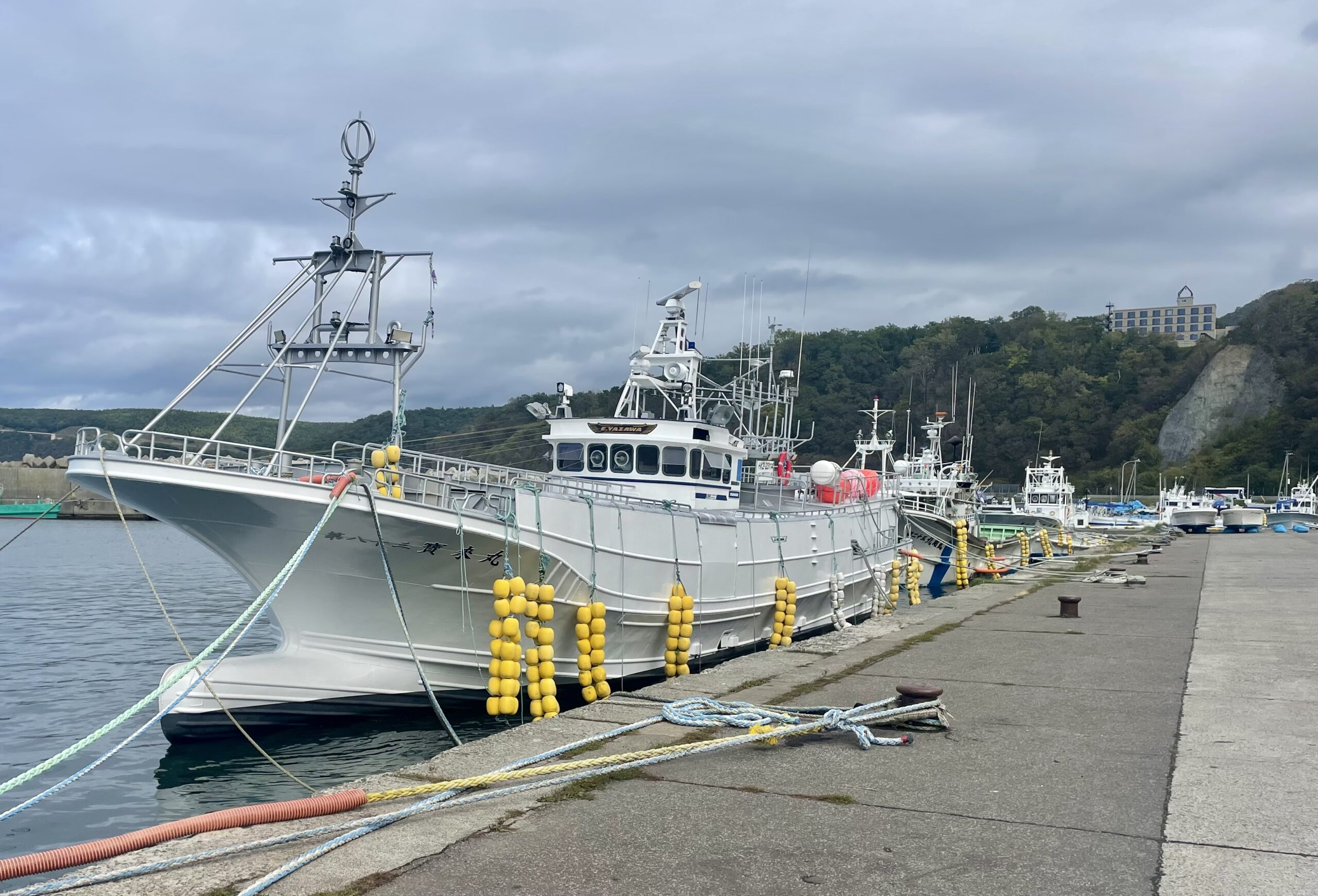
This below is a trawler, there were maybe six just like it. Note the drag reducing bulbous bow that cancels the main bow wave for better fuel efficiency.
Tuesday 23rd – Day 5 by the Shiretoko Pass to Obihiro
Shiretoko pass – “one of Japan’s most scenic sections of road”. As interesting for Sid is that you can see the Kuril Islands which are administered by Russia from the Sakhalin Oblast, to Japan’s irritation since the Russians invaded in 1945.
The lunch halt by a railway station featured a crayon shop which displayed the woods available, all labeled up.

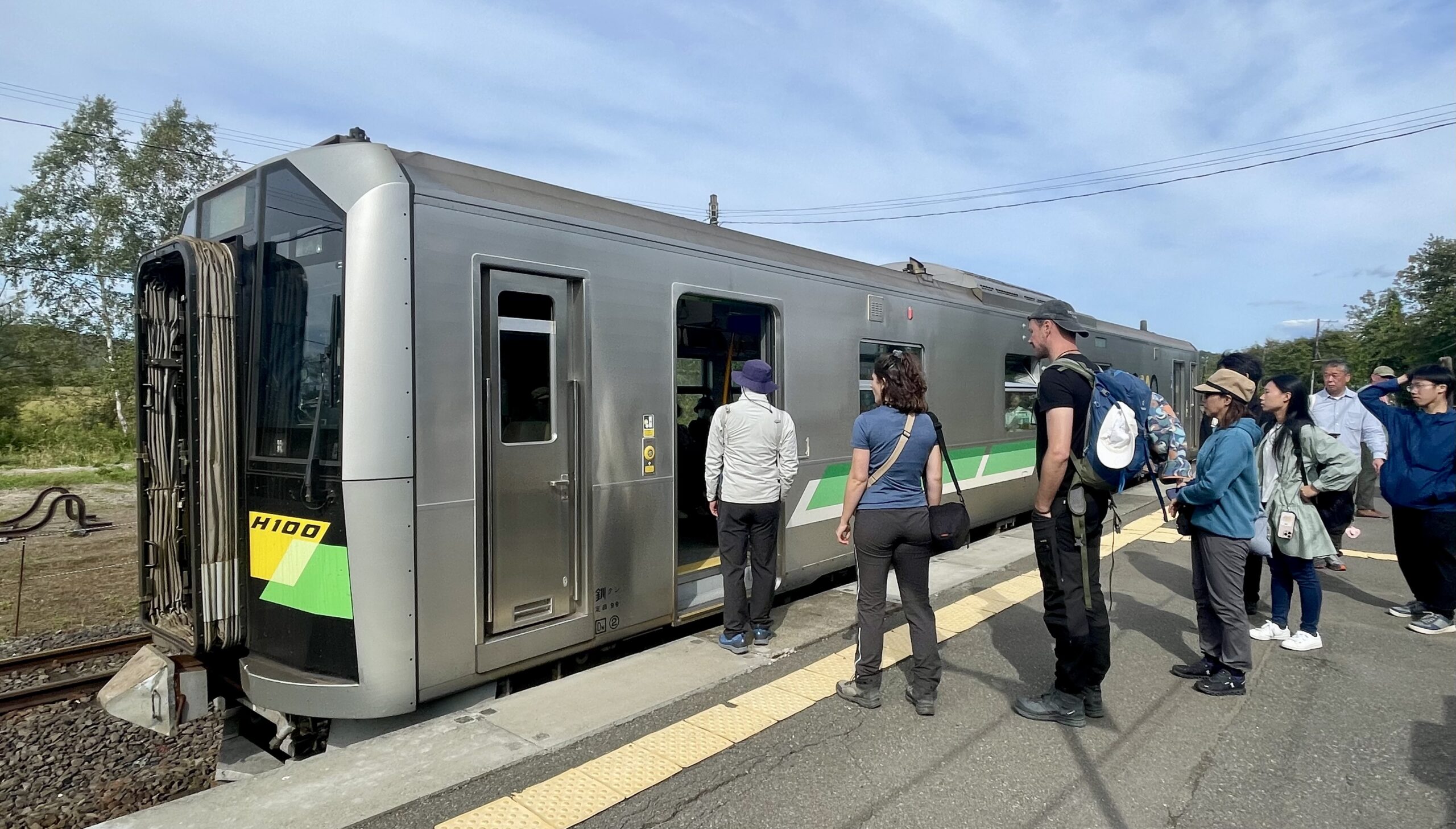
There was much excitement as the train was due at 13.01. In the station were pictures of large steam locomotives and big flat fronted diesels. Here is the train that the Silk cheered in – but maybe a bit crestfallen.
On sighting a new sea the ice cream budget is augmented. Now we are by the Pacific for the first time since the Jolly Green Giant and the Pacific Highway.
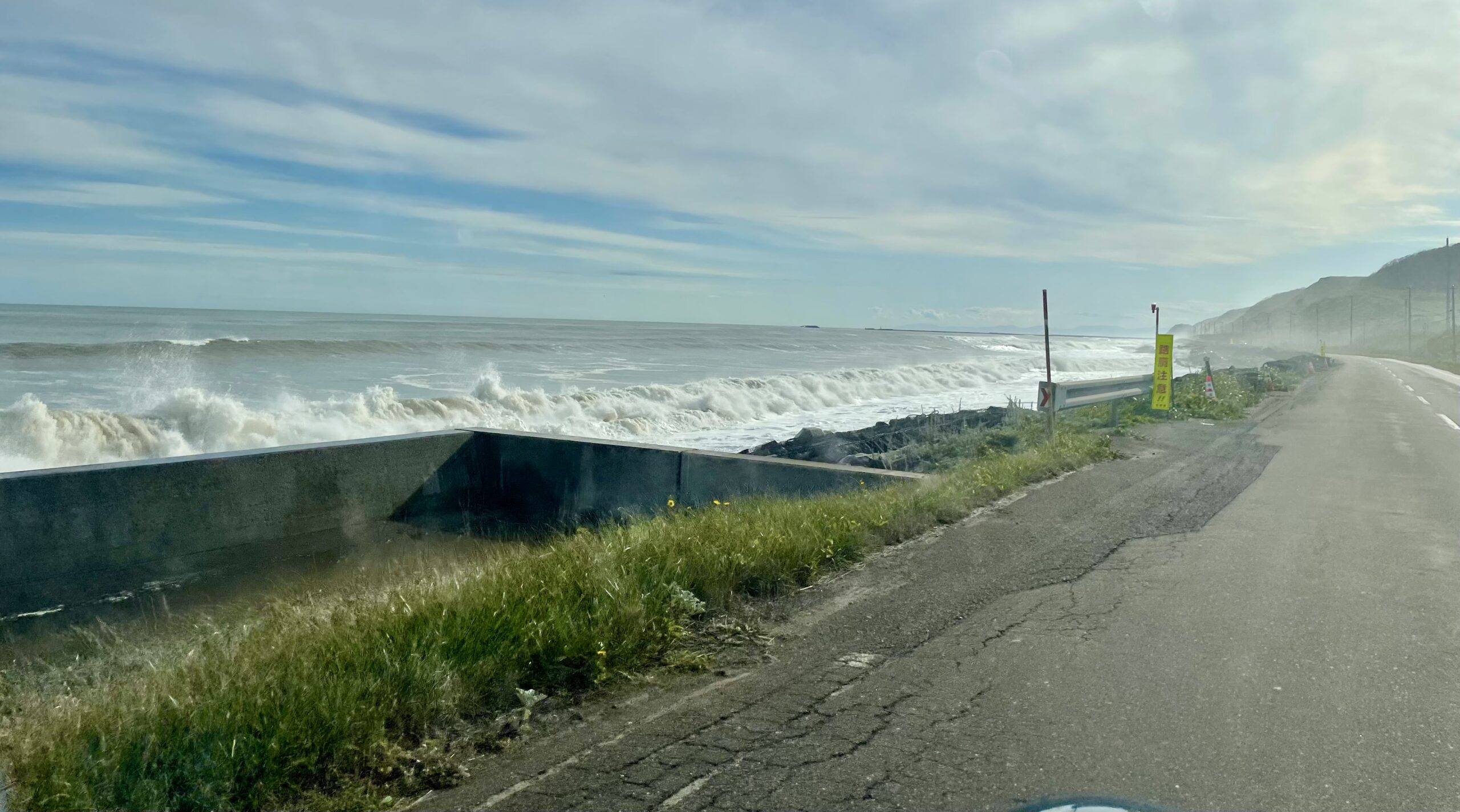
Often there is some non-rally activity and today is the Ikeda Wine Castle (auto-spell converted to Ikea, who would have made a much nicer one). Castle or chateau or waste water treatment plant?
Weds 24th – Day 6 to Lake Toya
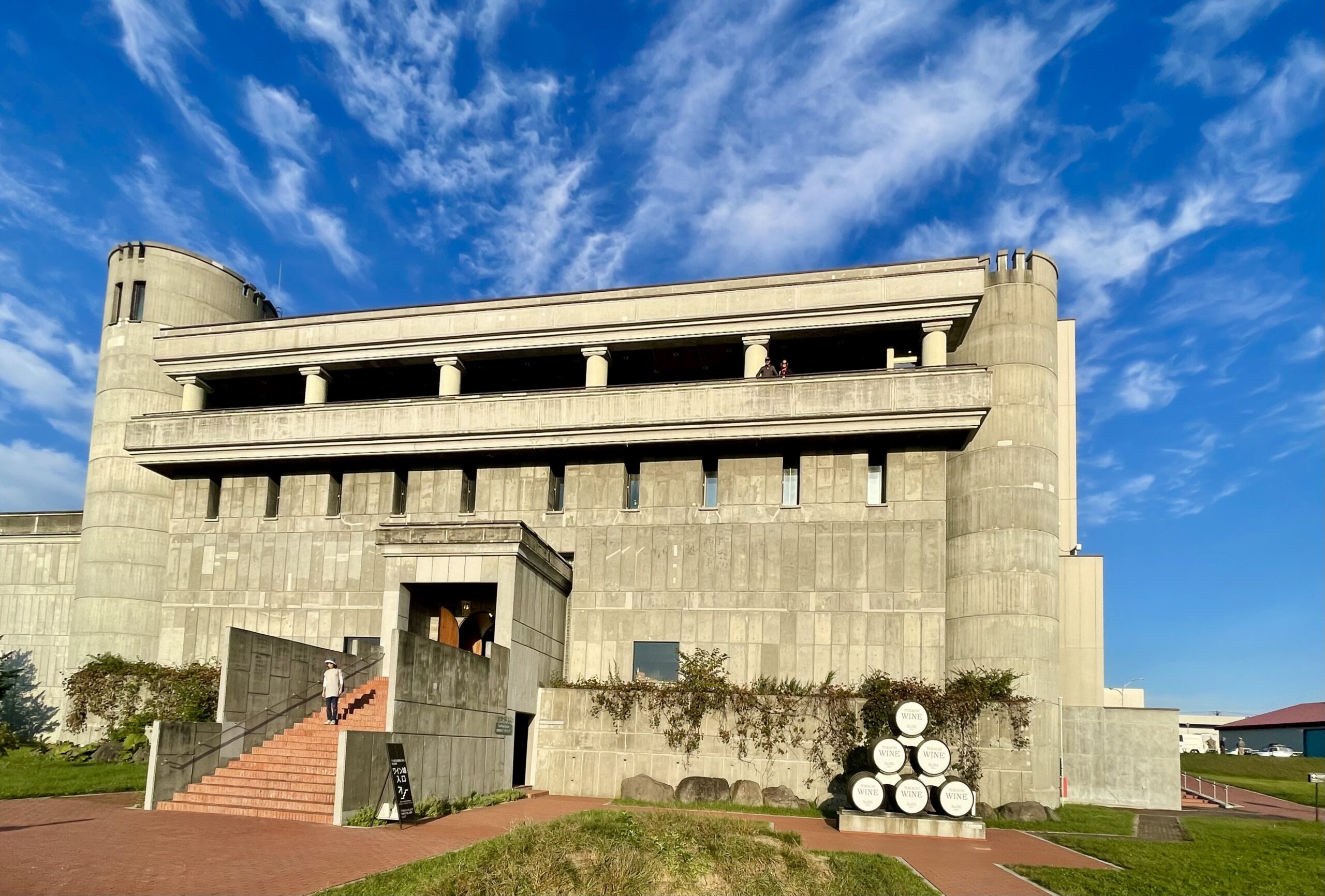
We are near Hidaka, a horse breeding region. They are skinny legged creatures, more race horse than war horse. Here is some of the high country.
Lunch is a DIY affair where we sit low at fire pit tables to cook Wagyu beef over hot coals in the Log House Restaurant. Many aspects of Japan are very risk averse. Here, in a log cabin, a waitress walks rough the diners carrying white hot coals in a thing that looks like a wok. Just down the road, a nearby works car park will employ a man with a flag or baton to wave drivers safely out into the traffic that is doing 45 kph. Maybe our inconsistencies are invisible to us?
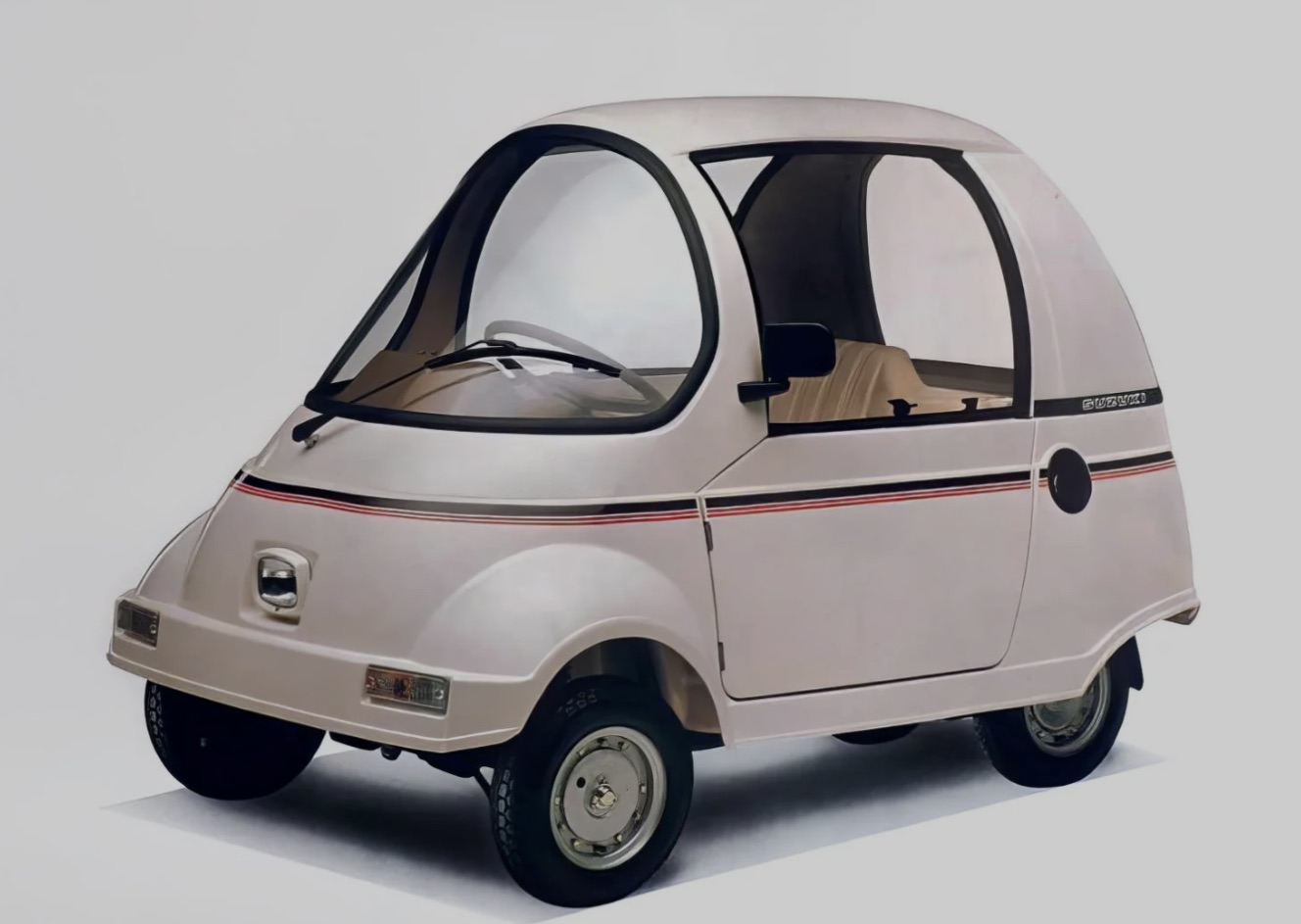
We are quite used to the Kei cars. This little device came towards us in a fetching shade of pink coral, a Suzuki CV1. Sid will write a separate note on the Japanese car park. This is a community car that can be driven on a moped licence and perhaps so named because you won’t leave your neighbourhood with just a 50cc engine. Though in Japan you probably can keep up with the traffic.
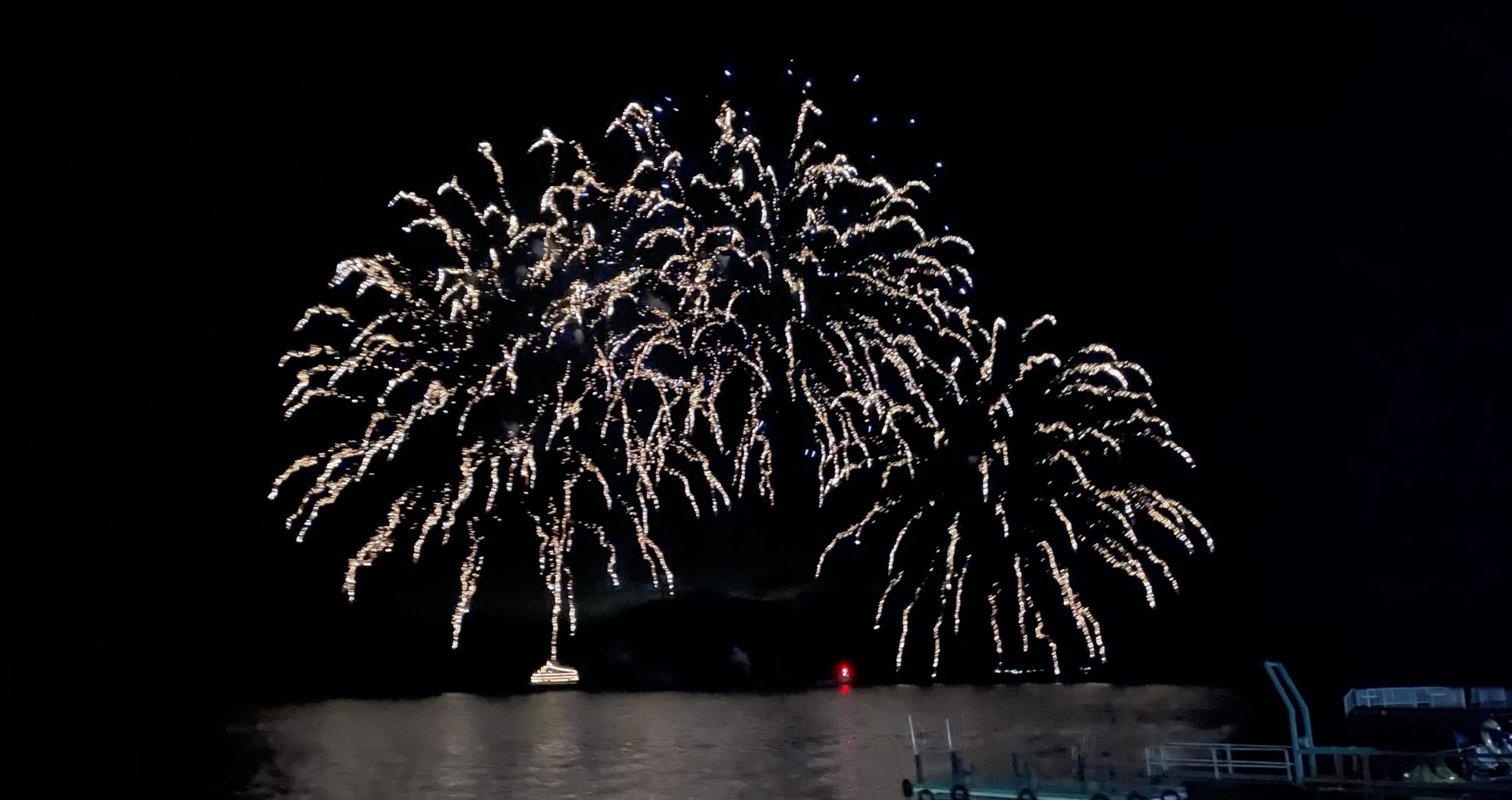
The hotel is by Lake Toya, a volcanic caldera where eruptions are celebrated every night with fireworks, many of which are dropped into the water by a team in a Zodiac. Dynamite fishing? Anyway, nothing we can change and besides Doris dearly loves a firework.
Thurs 25th – Day 7 to Hakodate and the last day on Hokkaido
Sid and Doris have invited the rally to put forward their Haikus, poems of the form; five syllables, seven syllables and a final five. So far only Doris seems to be participating.
Gaijin at breakfast
See only pickled fishes
“Welcome to Japan”.
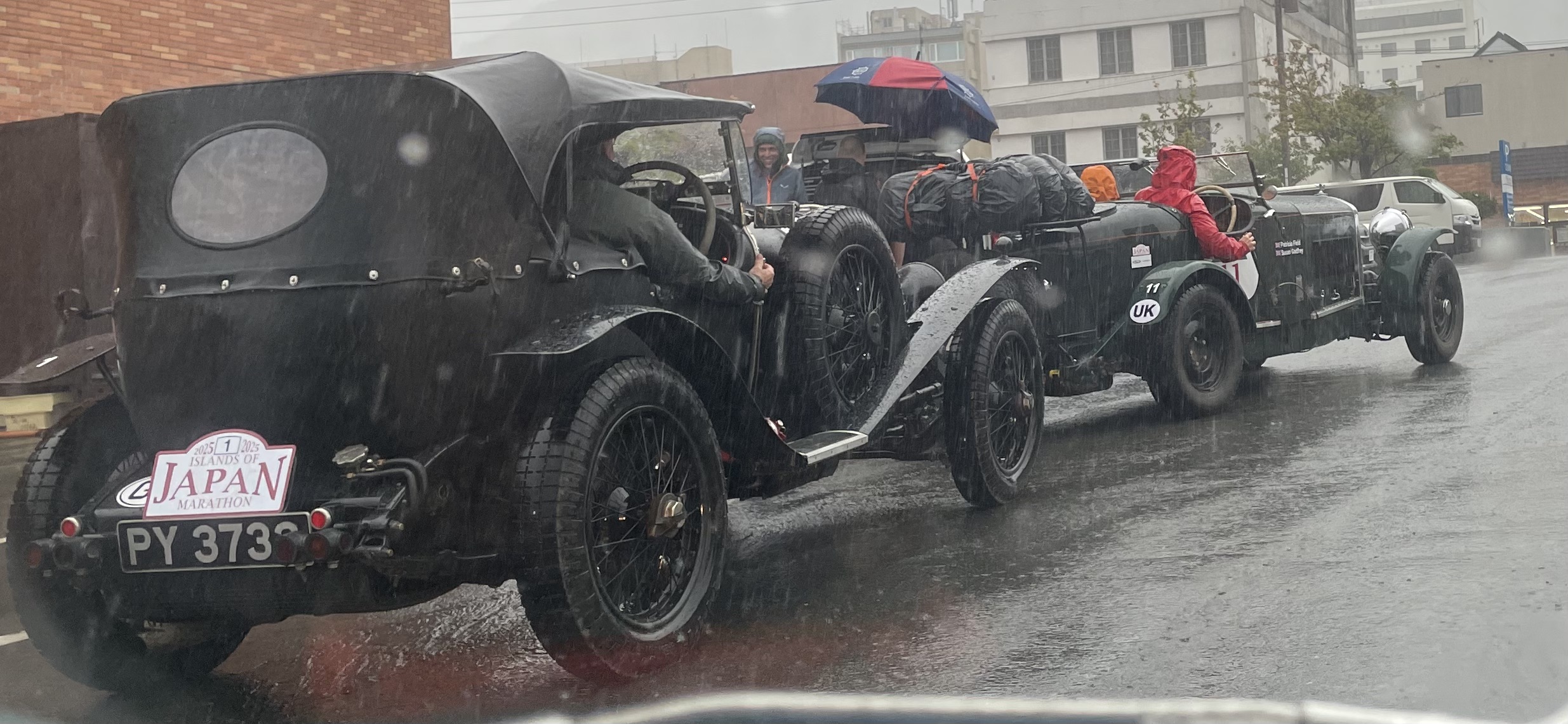
Soaking wet marshals
Hand back dripping time cards
Rain wasn’t forecast.
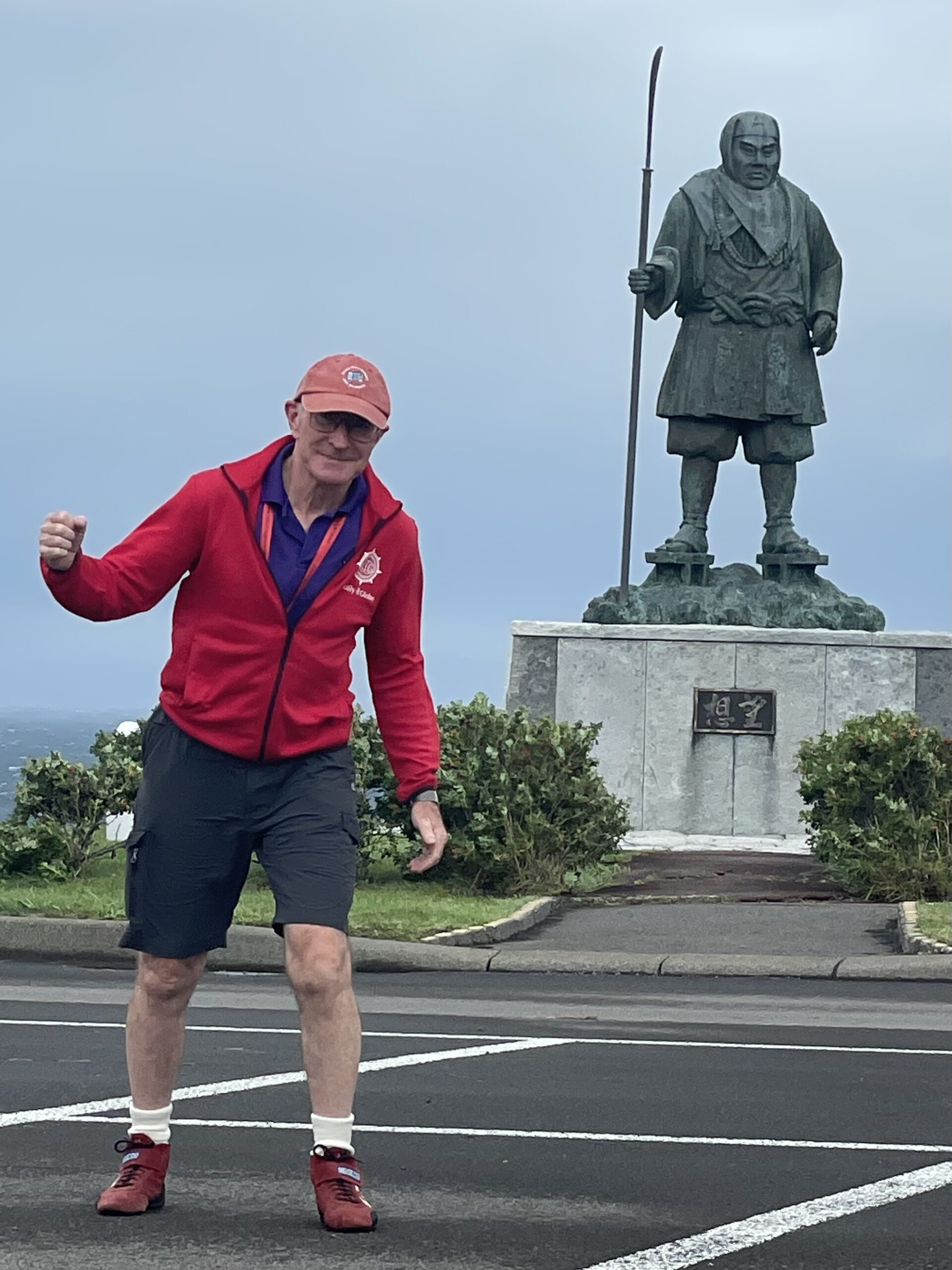 We cross over to the west coast of the “toe” of Hokkaido, to Cape Benkei. Musashibo Benkei carried seven weapons – an axe, a rake, a sickle, a wooden mallet, a saw, an iron staff and a Japanese glaive – as well as his sword of course, none of which have been included on this somewhat disappointing statue of him. Sid creates his own List of Seven Things required for victory.
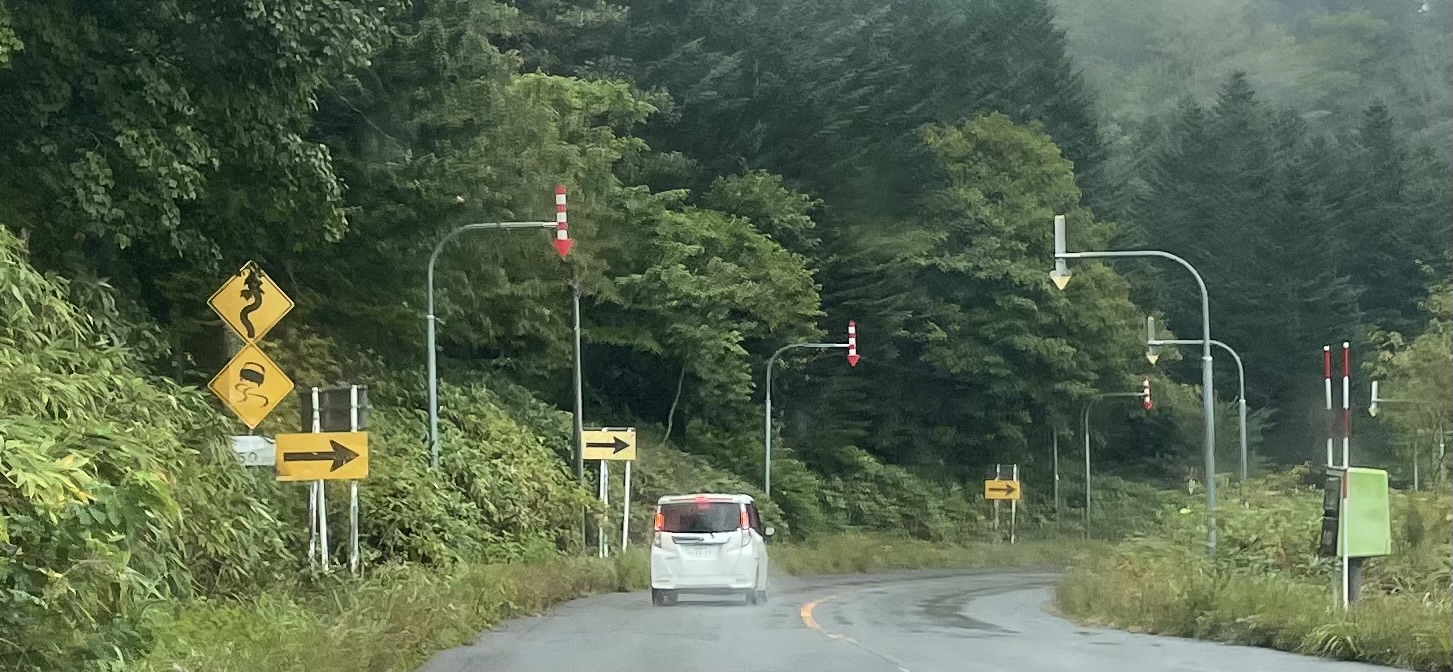
Even quiet roads are busily signed. The green trees warn you not to expect desert conditions. The down arrows are to guide the snow ploughs. The sideways arrows warn of bends. The yellow line in the middle says no overtaking. The diamonds warn of bends and skidding, which is fine as it is wetting down.
And so to a hotel about 40 minutes from Hakodate by mid-afternoon giving Teal, Sid and Doris time to go Bonkering.