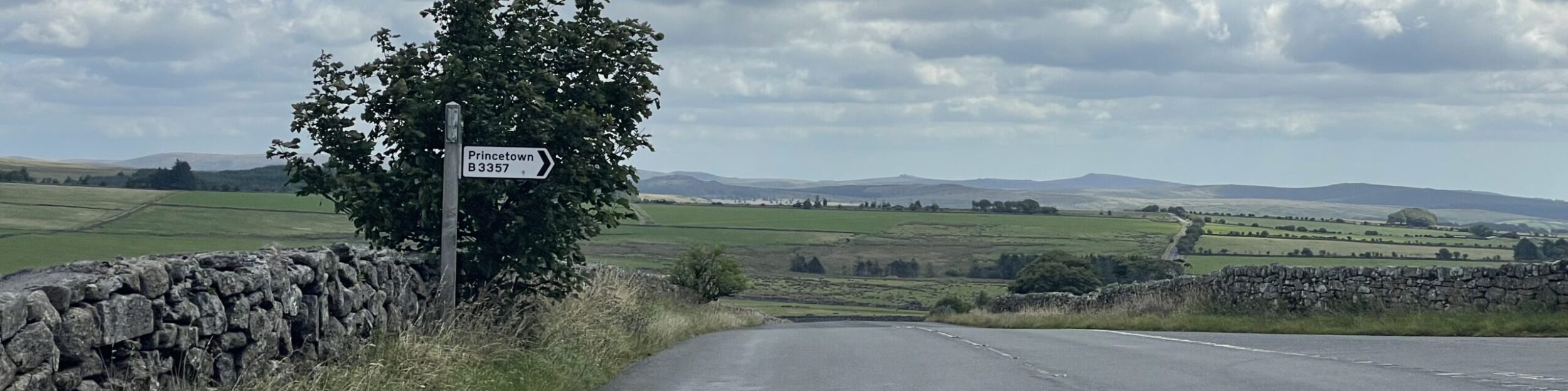
In which Sid and Doris find an excellent excuse to avoid Storm Floris.
Storm Floris is given top billing in the weather bulletin and though expected to give 70 mph winds in Scotland is still forecast to make Cornwall just wrong for holiday cycling. Or holidays, really.
Germans come here because Rosamund Pilcher detective stories filmed for TV set in perma-sunny Cornwall have been a great hit in Germany. S and D may get to Prideaux House which often features.
“The Germans come to Cornwall thinking it is gloriously sunny here all the time, due to the movies. We occasionally have to explain that one of the reasons Cornwall is so beautiful is because it rains,” say hotel staff.
Sid and Doris have fine rooms overlooking Falmouth Harbour, and can see summer Storm Floris would spoil a bike expedition to Truro. But the wily pair find another way to get wet in Truro, without bikes. Shh.
Falmouth Harbour is a superb mix of business and leisure, being the most westerly of England’s large sheltered harbours before the Atlantic. It is possible to get a ferry most of the way towards Truro (the last 2 miles only passable on high spring tides) and on the way have a look at some of the many different vessels.

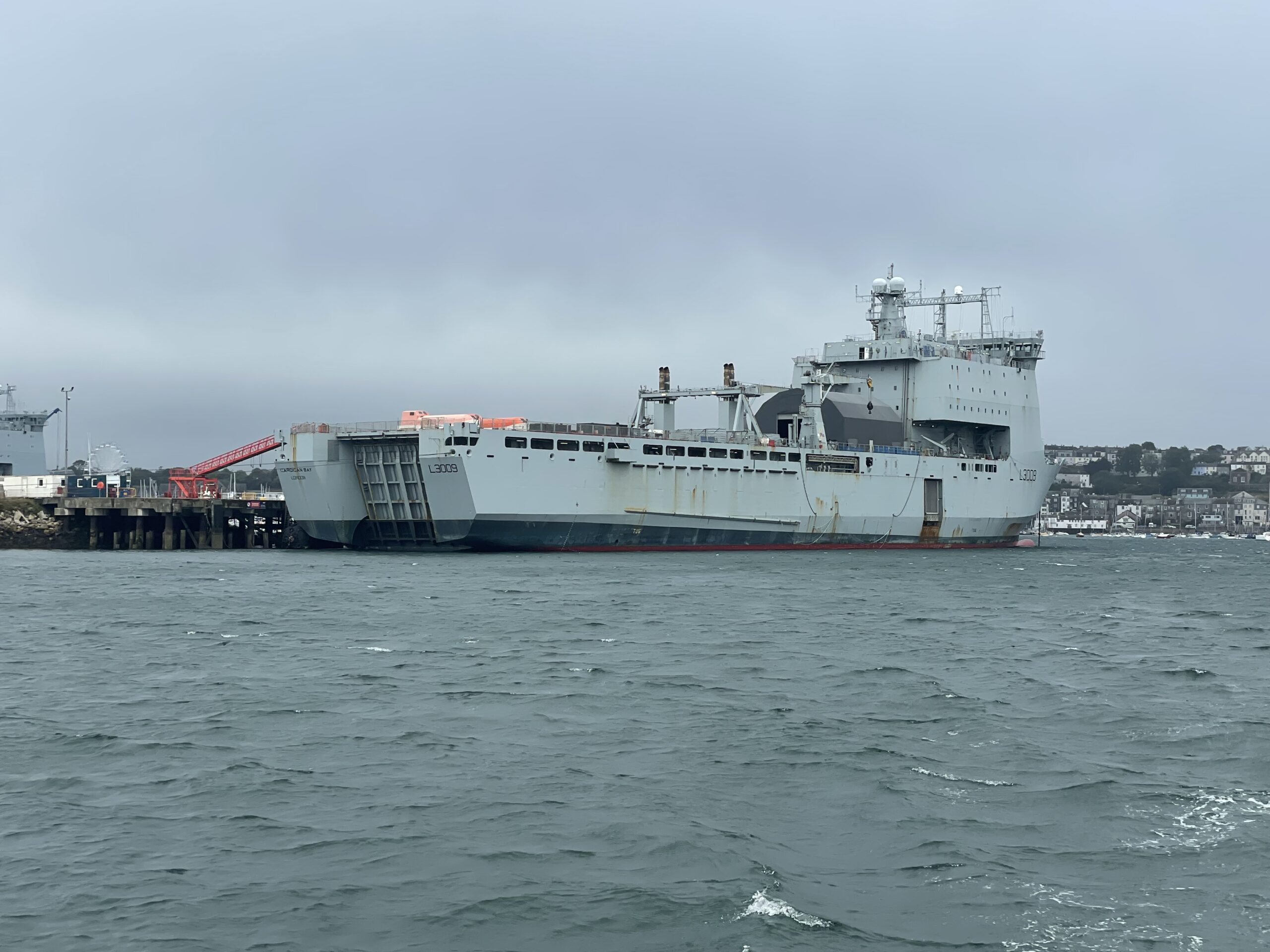
The largest are two “Bay Class” Royal Fleet Auxiliary vessels based in Falmouth. These are twenty year old landing ships (dock). On arrival they can sink themselves onto the bottom and drop the rear door so smaller craft can zoom in and out. They can carry up to 150 small trucks or 24 Challenger tanks and an infantry battalion. Proper bit of kit as validated by a military chap we meet next day.
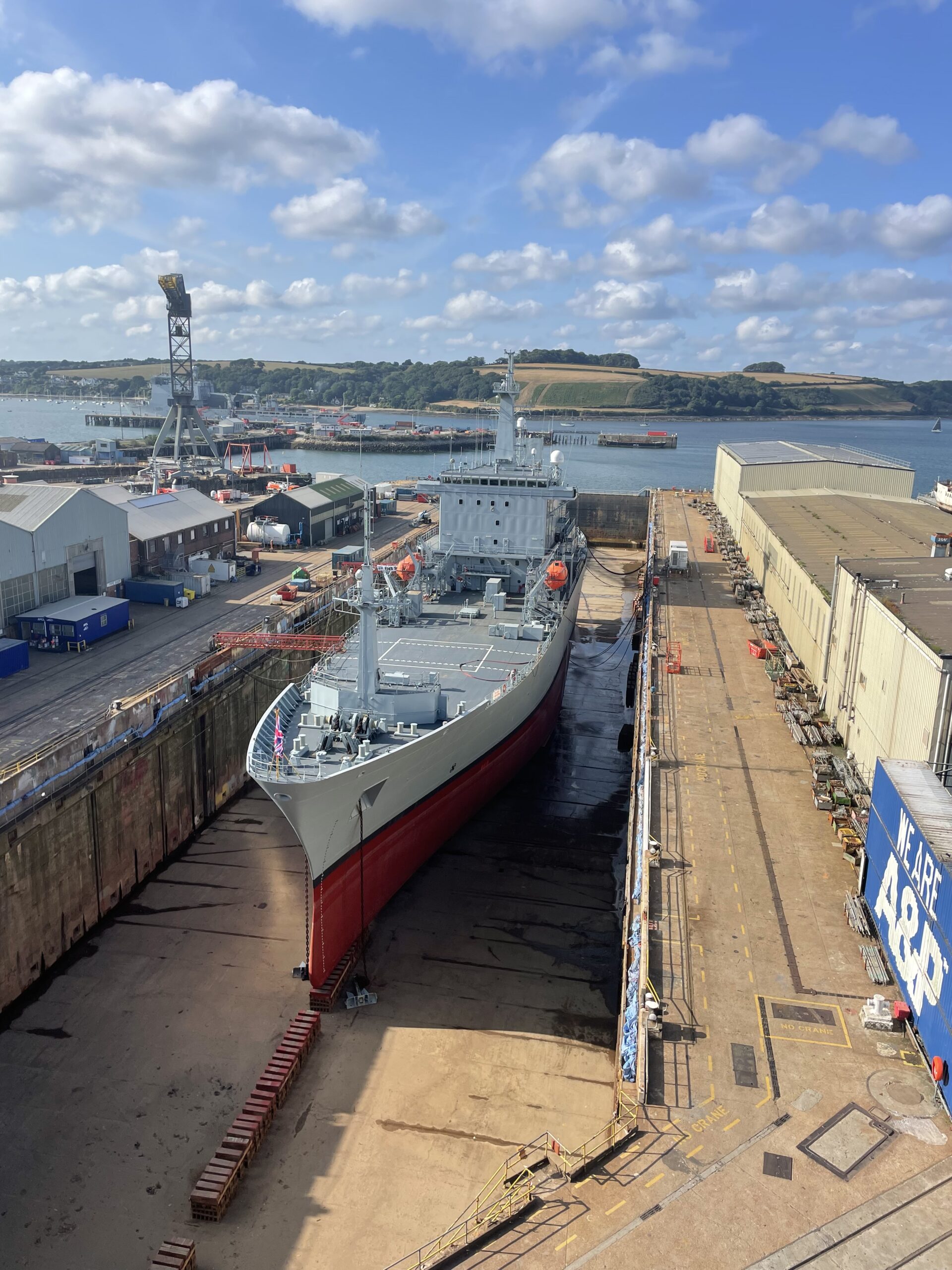 HMS Scott, a Royal Navy research and survey ship is in one of three dry docks (which is apparently capable of emptying and filling 128 million litres in 3 hours).
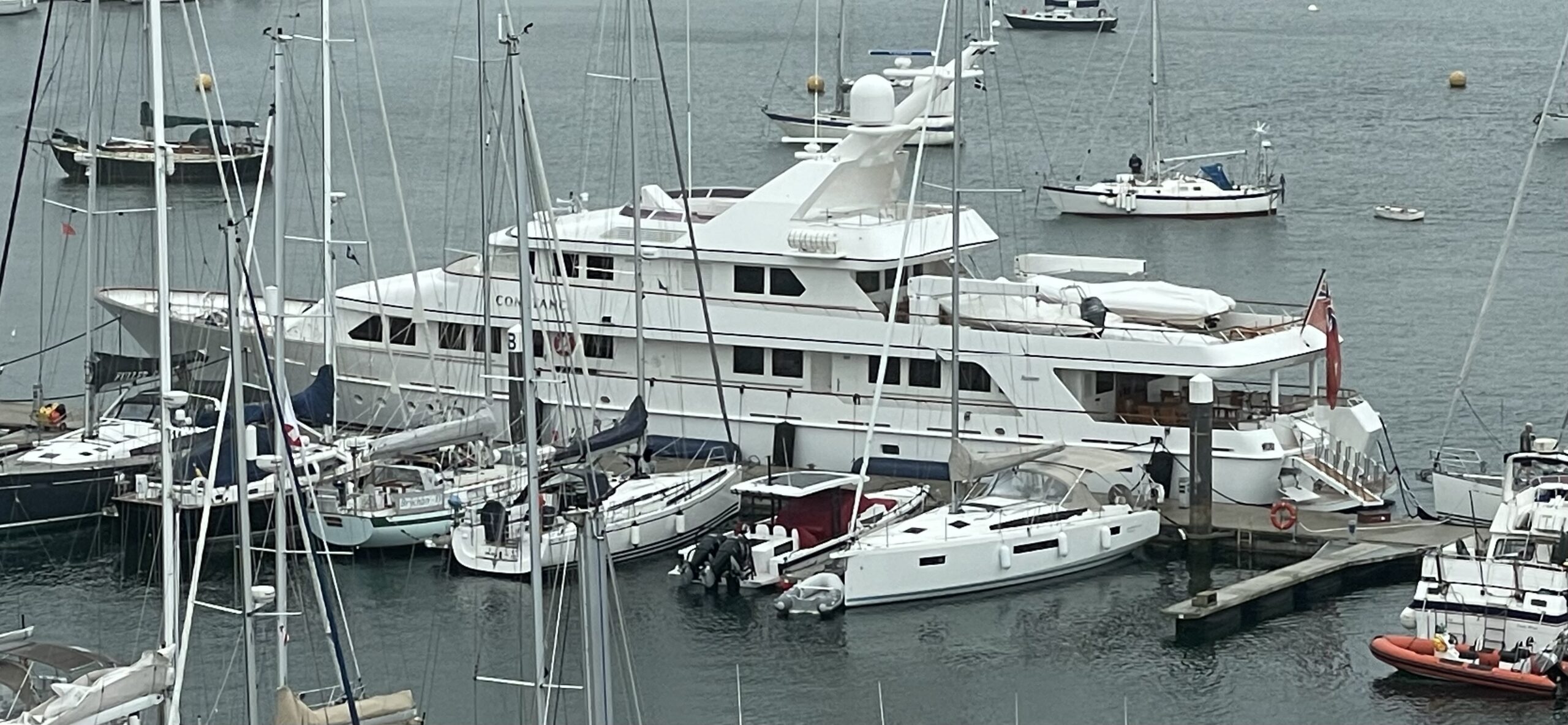
The mighty vessel “Constance” has also occasioned some interested glances from the harbourside, with the popular opinion being that it is “a billionaire’s gin palace”. Slightly larger than Nereus at 46m but with none of Nereus’s good looks according to your totally unbiased audience, it must be providing a tidy source of revenue to the local marina who apparently charge an appalling £4.40 per night per metre according to the local yachtie gossip. STOP PRESS: As we get closer we can see that Constance is also a Feadship!! Previous comments still apply.
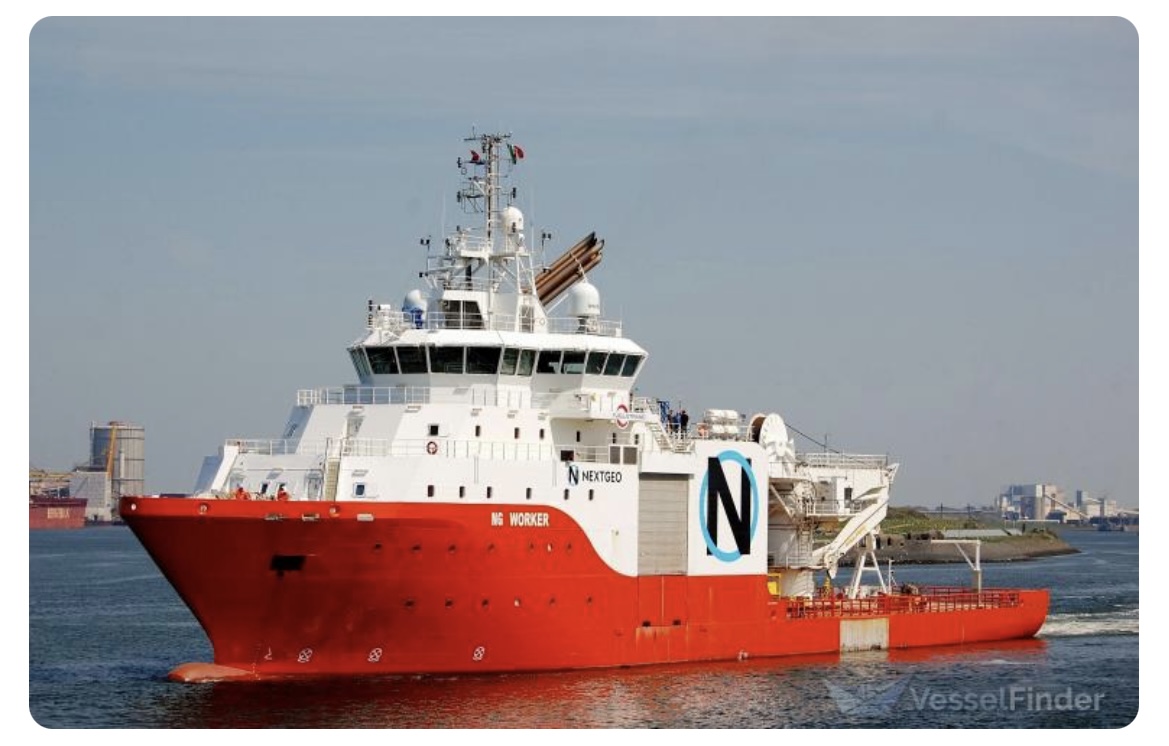
Our next spot is the vessel NG Worker which the commentator identifies as a cable laying ship, a charming piece of everything-joins-up coincidence if true, although on VesselFinder it looks more like a specialist finder/repairer of anything on the seabed. Literally everything does join up.
Talking as we had been of interestingly enormous charges, we pass the Pendennis superyacht building yard who will apparently take on the build project of your choice for £30m (for what size we are not told) plus £2m per metre.
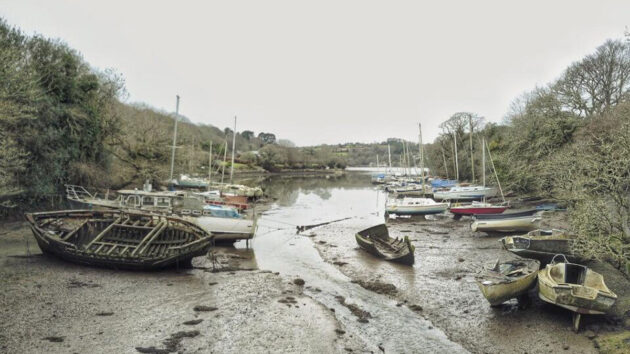 Up the Fal and then the somewhat unimaginatively named river Truro towards Truro. As the main channel narrows and the tidal mud flats either side widen, the sides of the river have increasing numbers of green muddy things-that-were-once-boats (Clean Ocean Sailing took this photo but it is quite typical).
Doris muses about creating a boatbreaking charity. How could it work? Is there a way to reduce the cost of removing and responsibly disposing of these things, perhaps by combining the mens’ shed movement to get volunteer labour, donations of working space from large boatyards (Pendennis?), a focus on really good materials separation, and donations of cash “sponsor a boat to be removed”? Answers on a postcard please.
We pass the King Harry chain ferry – where 2 chains are laid across the river bed and are led up and through the sides of the ferry, allowing it to spend all its effort on crossing the river and no effort on preventing being swept by the tide/current. Its navigation lights are red white red which means it is restricted in its ability to manoeuvre, which is a nice British understatement.
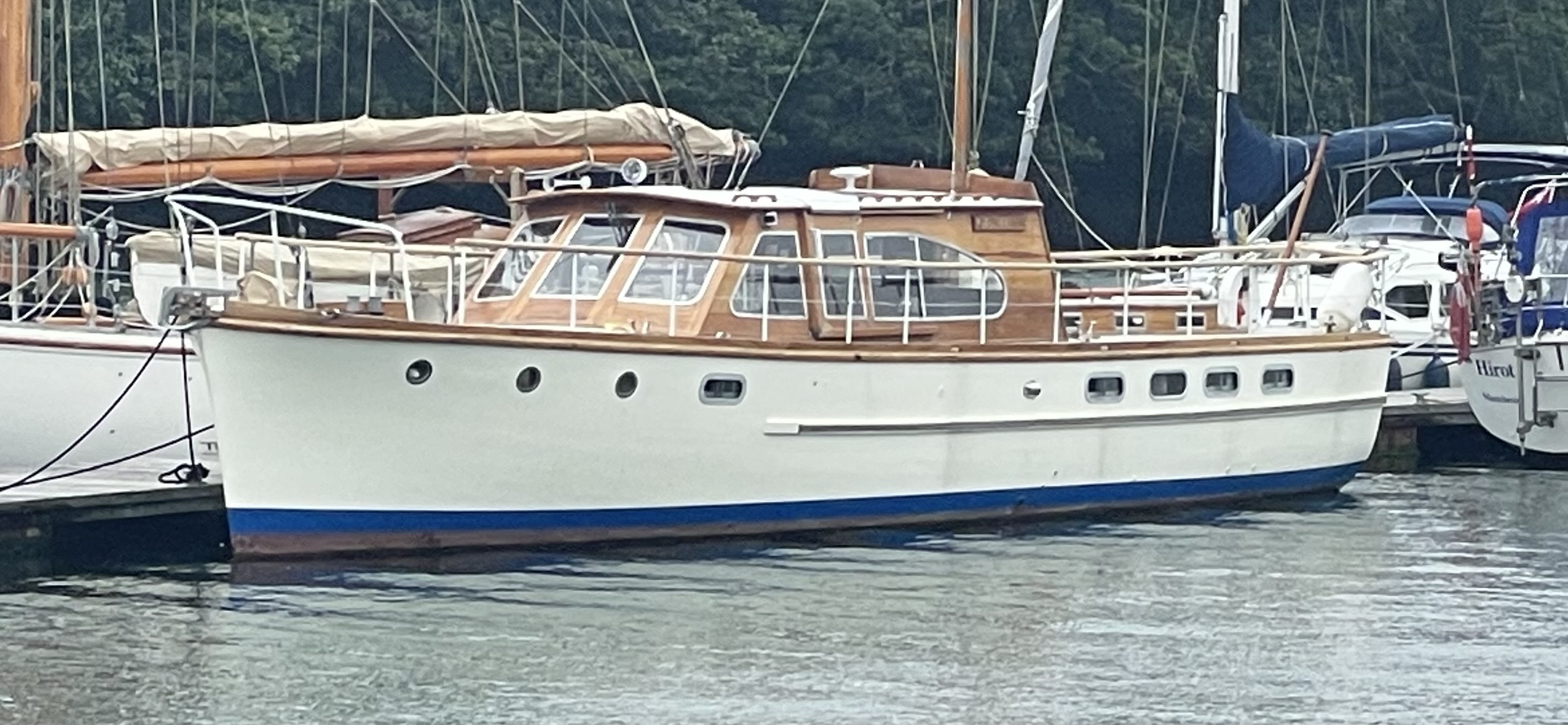
Doris also spots this elegant vessel which is her current choice for a Great Loop expedition (not that we are contemplating one).
 The ferry terminates at Malpas to Truro where the point of our visit is to see the cathedral. Or rather the three points, as it has three spires.
Truro, built from 1880-1910, claims to be the first greenfield site cathedral project “since Salisbury” (it all joins up) and the local guides claim that it is constructed entirely of stone and not, in the manner of many Victorian Gothic churches, stone cladding on a steel skeleton. The spires are placed one either side of the west front and the main one on the main crossing like Salisbury, although unlike Salisbury the architect has cunningly ensured that the main weight-bearing pillars can be buttressed.
Touring the church it appears that the claim of a “greenfield site” was not entirely true, as there was an inconvenient parish church already there. The original plan was to knock it down, however someone seems to have objected during the Victorian equivalent of the planning process and so it was saved and incorporated into the cathedral as a slightly odd north aisle, while still being technically a separate church.
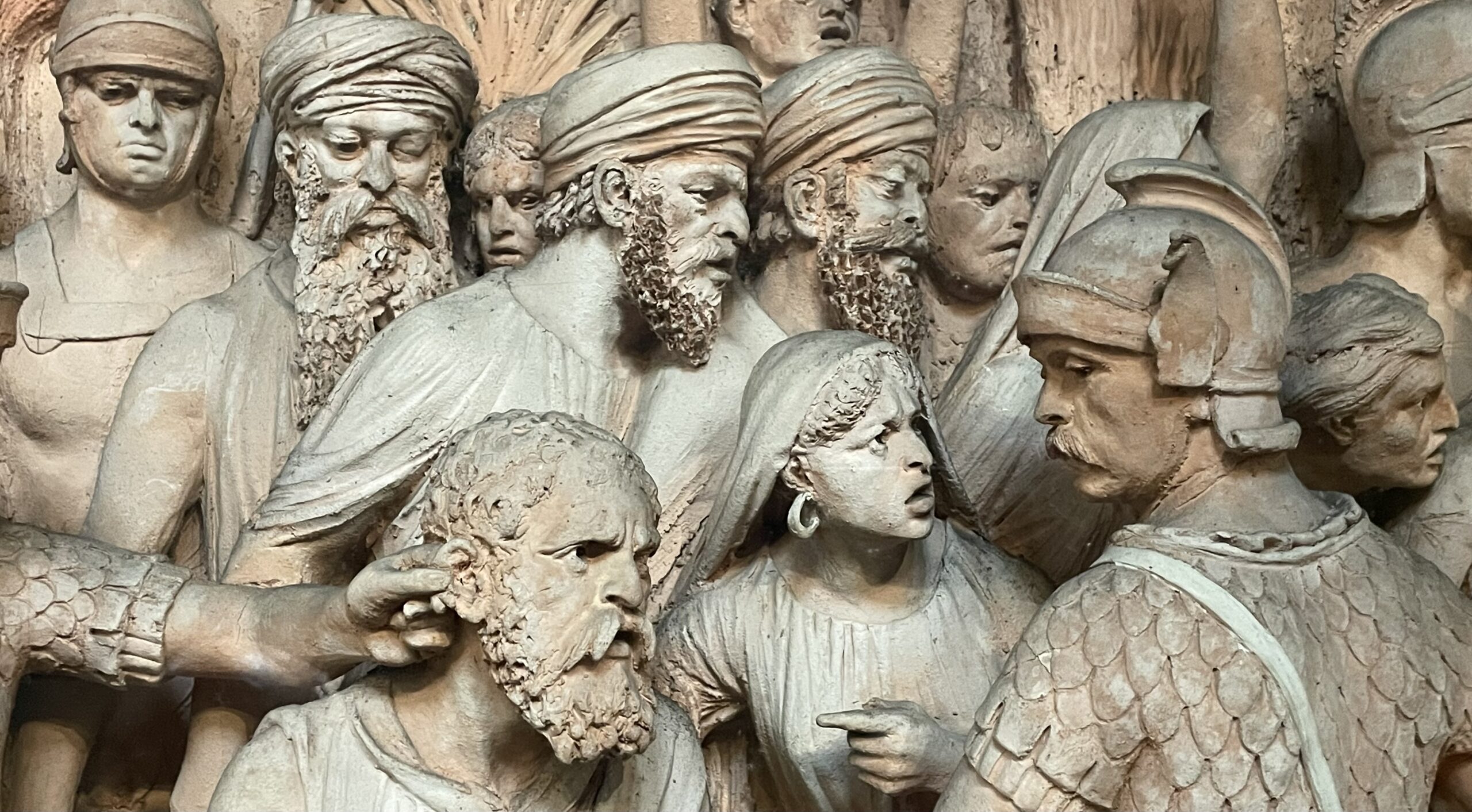
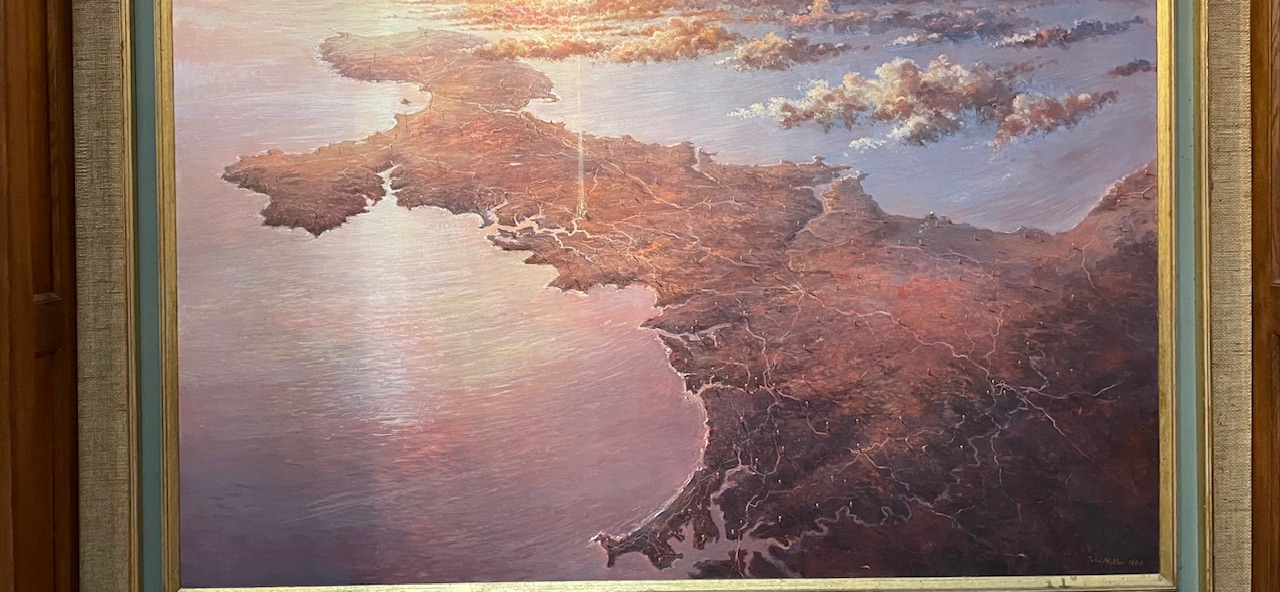
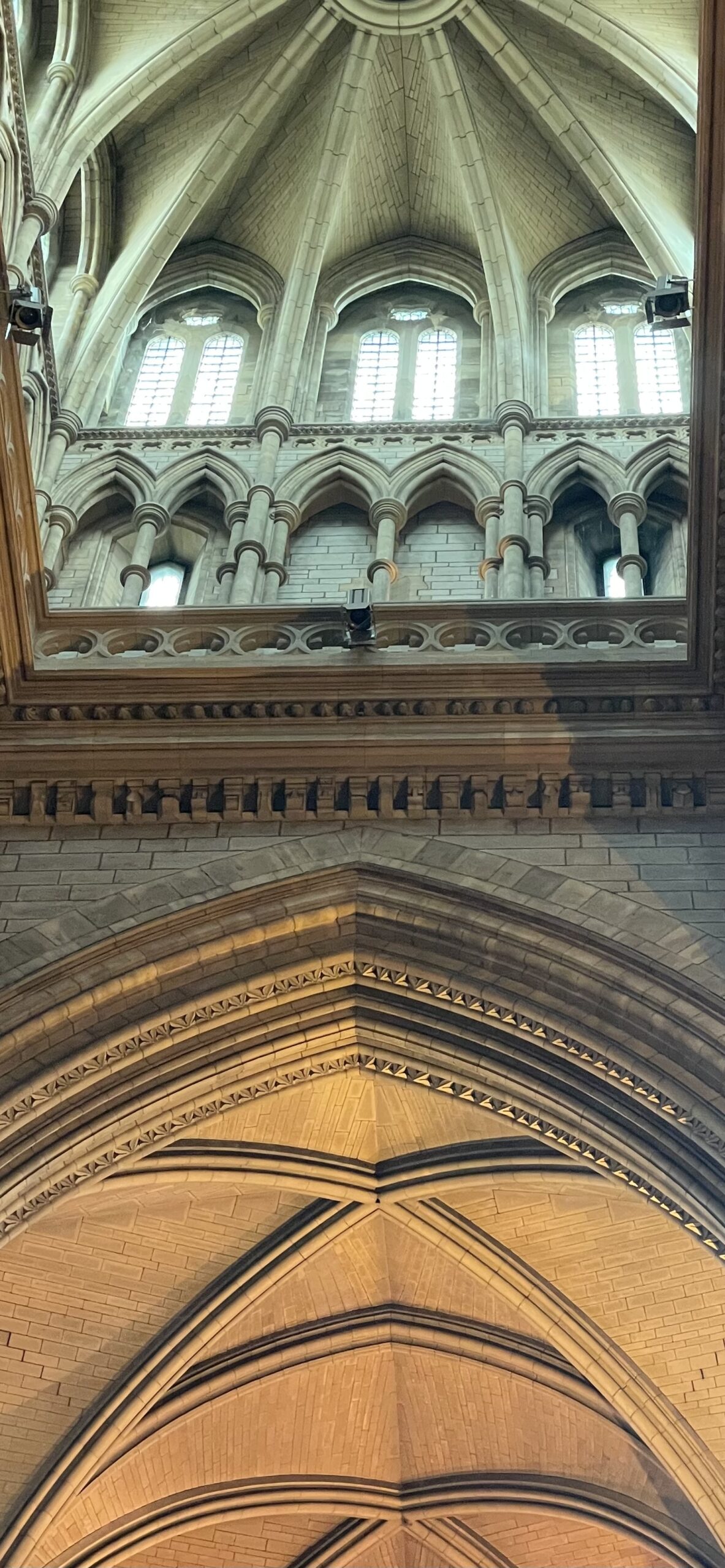
We take a few pictures, of a tiny bit of a fantastic terracotta frieze by George Tinworth (the figures are perhaps 1’6” high and their faces are simply superb – the Cornish Stained Glass site for some reason decided to write a detailed description of the panel here), a useful piece of art showing the Truro diocese with Truro as the rocket launch site in the middle, and the view up into the central “lantern” under the spire, giving a hint of what the pre-spire Salisbury might have looked like.
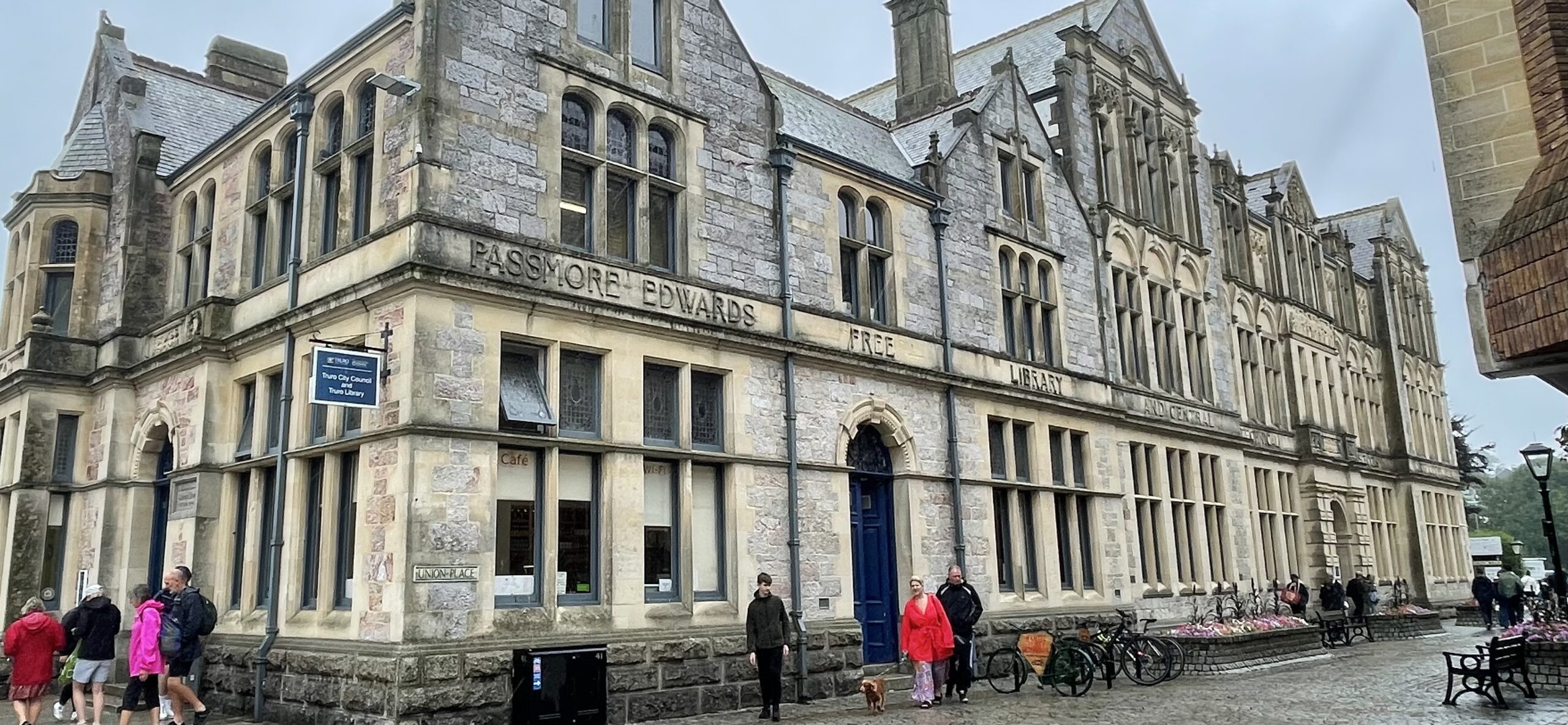
With the rain falling ever more heavily, the duo make for the station for the branch line from Truro to Falmouth, past the Passmore Edwards Free Library And Central Technical School.
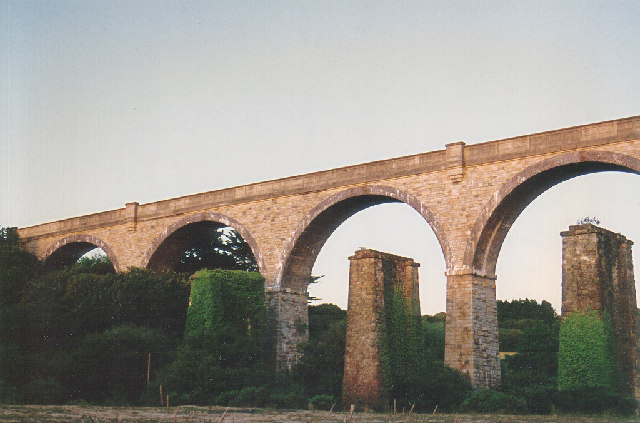
The branch line – now badged the “Maritime Line” includes the Carnon Viaduct. Viaducts, you may remember, are high on Sid and Doris’ list of things #bestviewedfrombelow, and the view from 100′ up across 800 feet of silted-up tidal creek is decidedly less impressive (although also less squashy) than the view from below. Fortunately C.D.Uglow squelched out there to take a picture and some unsung hero has written up a Wiki entry of its engineering history, explaining what that spare set of piers is doing in the foreground.
Do take the time to read about the terracotta frieze, it is really interesting.
PS Doris was recently given a fabulous gift of a first edition set of Handbooks to English and Welsh Cathedrals, published in 1864 and still a key reference work. Alas, Truro is not in it, because it wasn’t built yet.